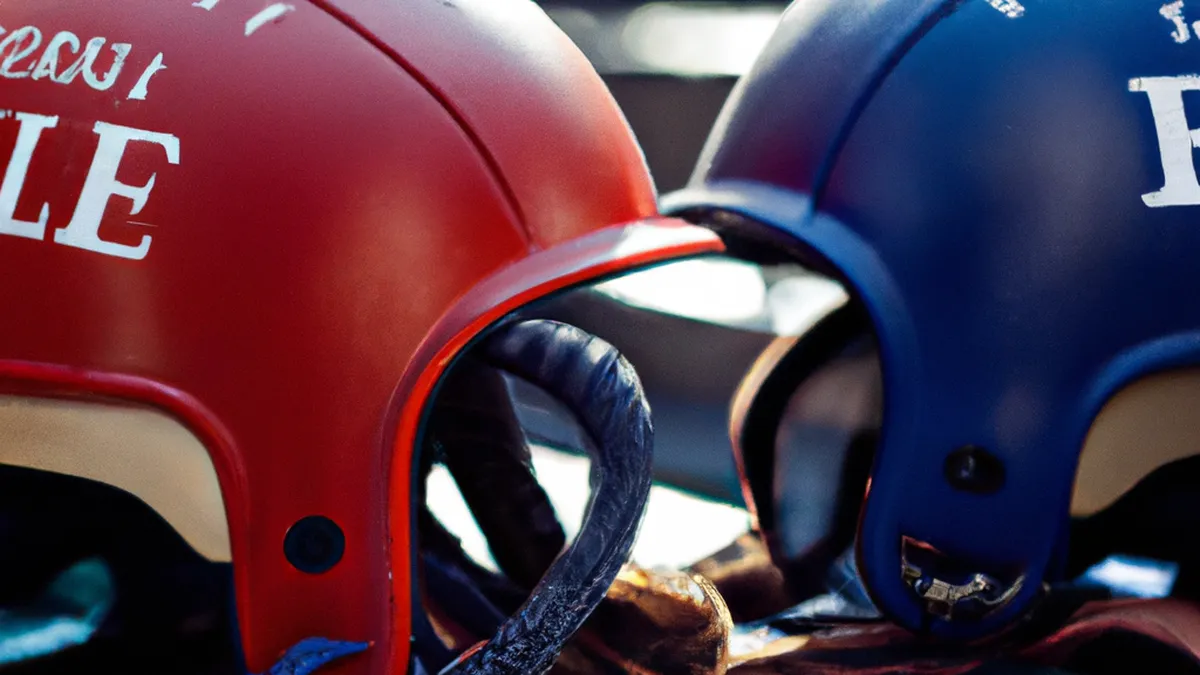
Polo Helmets: Safety vs. Style Debate
Polo Helmet Safety Standards: A Comprehensive Guide for RidersPolo combines speed, teamwork, and skill. However, it also involves risks. Riders face potential injuries from falls, collisions, and impacts. Therefore, wearing a proper polo helmet is crucial for safety. This post explores helmet safety standards, tips for selection, benefits of headgear, and the importance of ongoing education.
Understanding Polo Helmet Safety Standards
Polo helmets must meet strict safety standards. Organizations like ASTM and BSI set these benchmarks. They test helmets for impact resistance, penetration, and durability.When choosing a polo helmet, look for certifications. Helmets meeting ASTM F1163 or BSI Kitemark standards guarantee comprehensive testing. These certifications confirm helmets can withstand impacts and protect riders’ heads. Helmets lacking these standards may not provide adequate protection and can lead to severe injuries.
Tips for Choosing the Right Polo Helmet
As an Amazon Associate I earn from qualifying purchases.
Gear tip: consider headgear, helmet, and training pinnies to support this topic.
Selecting the right polo helmet can feel daunting. However, these tips simplify the process and help you choose wisely.
1. Check the Fit
A proper fit ensures safety and comfort. Helmets should fit snugly without being tight. Try the helmet on and move your head. If it shifts or feels loose, it’s too big. If it causes discomfort, it may be too tight.To find the correct size, measure your head circumference just above your ears and across your forehead. Most brands provide sizing charts. A well-fitted helmet stays in place during play, offering optimal protection. Remember that interior padding compresses over time, so ensure your helmet fits well when new.
2. Look for Ventilation
Polo matches can be physically demanding and often take place in warm weather. Therefore, ventilation is vital. Choose a helmet with adequate airflow to keep cool. Look for designs with vents or breathable materials. This feature helps prevent overheating during intense games.Good ventilation enhances comfort and helps maintain focus. A hot, uncomfortable helmet can distract you from your strategy. An adequately ventilated helmet allows you to concentrate on riding and playing effectively.
3. Consider Weight and Materials
Lightweight helmets provide comfort without sacrificing safety. Many modern helmets use advanced materials like polycarbonate or fiberglass. These materials offer strength while keeping the helmet light.A lighter helmet allows for better mobility, crucial during fast-paced matches. Riders need agility and responsiveness, and a heavy helmet can hinder performance.
Conclusion
Choosing a polo helmet requires careful consideration of safety standards, fit, ventilation, and weight. Prioritize these factors to ensure your safety while playing.
Below are related products based on this post:
FAQ
What are the key safety standards for polo helmets?
Polo helmets must meet specific safety standards set by organizations like ASTM and BSI. Helmets that comply with ASTM F1163 or BSI Kitemark standards have undergone rigorous testing for impact resistance, penetration, and durability to ensure rider safety.
How can I ensure my polo helmet fits properly?
To ensure a proper fit, the helmet should fit snugly without being overly tight. Measure your head circumference above your ears and across your forehead, and refer to sizing charts provided by helmet brands. A well-fitted helmet remains secure during play and provides optimal protection.
Why is ventilation important in a polo helmet?
Ventilation is crucial in a polo helmet because matches often occur in warm weather and can be physically demanding. Adequate airflow helps prevent overheating, enhances comfort, and allows riders to maintain focus, which is essential for effective gameplay.














Post Comment