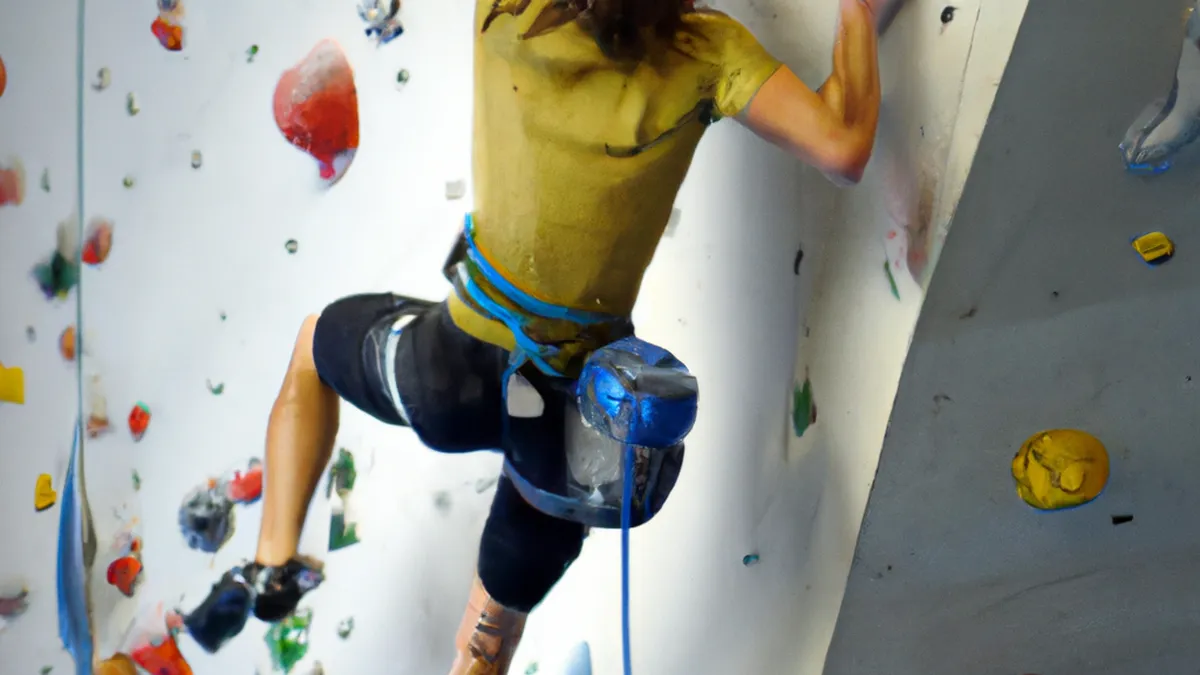
Picture Perfect: Visualization for Rock Climbers
Visualization Techniques for ClimbersClimbing requires physical strength and mental fortitude. Visualization techniques enhance climbers’ performance and help them overcome challenges. By imagining successful climbs, climbers improve focus, reduce anxiety, and build confidence. This post explores effective visualization techniques, provides practical tips, and discusses their benefits.
Understanding Visualization
Visualization involves creating mental images of successful climbs. Climbers rehearse movements, strategies, and techniques in their minds. Visualizing routes prepares them mentally and physically for climbs. Studies show that mental practice improves performance, making visualization essential for climbers.
The Science Behind Visualization
Research supports visualization’s effectiveness in enhancing performance. When you visualize a climb, your brain activates similar pathways used during climbing. Your muscles become familiar with movements, even without physical execution. Athletes practicing visualization often see improvements in coordination, muscle memory, and performance.The brain’s plasticity allows it to adapt based on experiences, including imagined ones. Climbers who visualize effectively train their minds and bodies to respond efficiently during climbs.
Types of Visualization Techniques
Climbers can use various visualization techniques, each offering unique benefits. Common methods include:1. **Guided Imagery**: Imagine a climb step-by-step, often with a coach’s help or a guiding recording.2. **Mental Rehearsal**: Visualize climbing performances, including movements, holds, and physical sensations.3. **Positive Affirmations**: Combine visualization with positive self-talk. Affirm your capabilities and visualize success to boost confidence and motivation.Tailor these methods to individual preferences, helping climbers find what works best.
Practical Tips for Effective Visualization
As an Amazon Associate I earn from qualifying purchases.
Gear tip: consider climbing shoes, chalk bag, and belay device to support this topic.
To maximize visualization benefits, consider these practical tips:
Create a Calm Environment
Establish a quiet space free from distractions. Choose a cozy corner at home, a peaceful outdoor setting, or a quiet room at your climbing gym. A calm environment enhances your focus on mental imagery.
Engage All Your Senses
While visualizing, use all your senses for an immersive experience. Imagine textures of rock, sounds of nature, and surrounding smells. Engaging multiple senses creates vivid visuals and strengthens associations with climbing.
Set Specific Goals
While visualizing, set clear, specific goals for your climbs.
Conclusion
In summary, visualization techniques greatly enhance climbing performance and mental preparation.
Below are related products based on this post:
FAQ
What is visualization in climbing?
Visualization in climbing involves creating mental images of successful climbs. By rehearsing movements and strategies in their minds, climbers prepare themselves both mentally and physically for the challenges ahead.
How does visualization improve climbing performance?
Research indicates that visualization activates pathways in the brain similar to those used during actual climbing. This mental practice enhances coordination, muscle memory, and overall performance, allowing climbers to respond more effectively during climbs.
What are some effective visualization techniques for climbers?
Effective visualization techniques include guided imagery, mental rehearsal, and positive affirmations. Each method helps climbers focus on their capabilities and visualize success, ultimately boosting their confidence and motivation.














Post Comment