
Phases of Recovery After Sports Injuries
Post-Injury Rehab Timelines: A Roadmap to RecoveryInjuries can strike unexpectedly, leaving individuals sidelined. Whether you are an athlete or a weekend warrior, understanding your rehab timeline is crucial. Each injury presents unique challenges and recovery needs. This blog post explores factors influencing rehab timelines, offers recovery tips, and highlights the benefits of structured rehabilitation.
Understanding Rehab Timelines
When you sustain an injury, assess its severity. This evaluation significantly influences your rehab timeline, categorized into mild, moderate, and severe injuries.
Mild Injuries
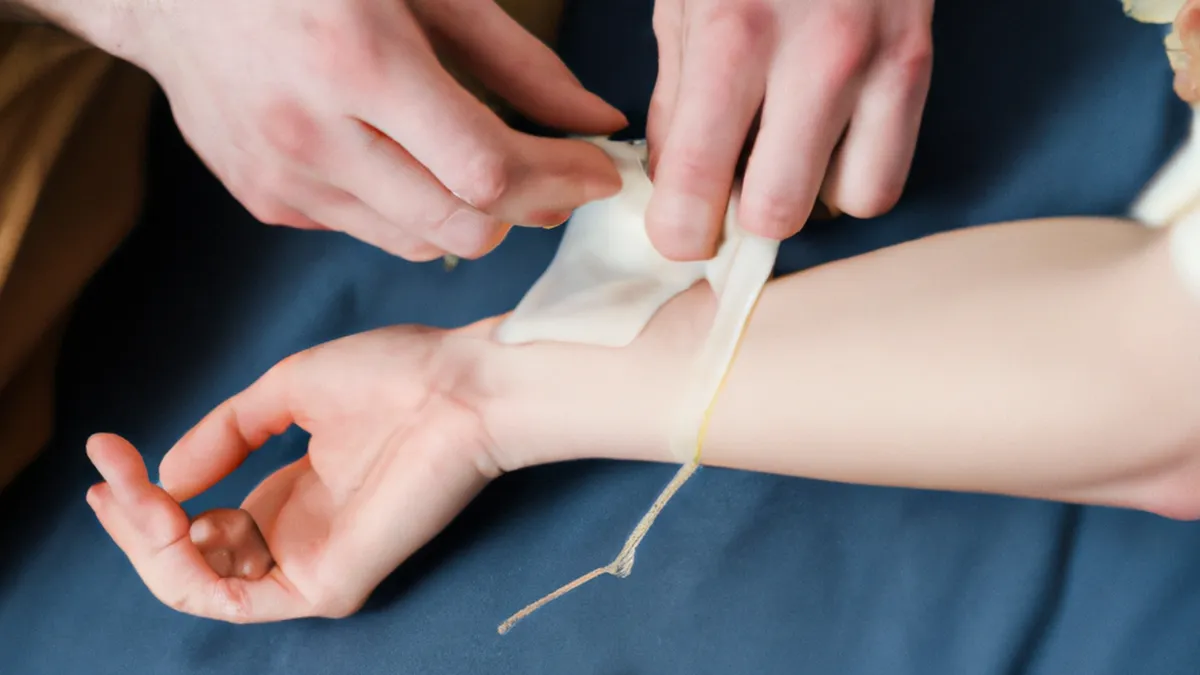
Mild injuries, like sprains and strains, often heal within two to four weeks. Initial treatment involves rest, ice, compression, and elevation (R.I.C.E.). After acute pain subsides, begin gentle stretching and strengthening exercises. Maintain a consistent rehabilitation routine to return to light activities or sports within a month.
Moderate Injuries
Moderate injuries, such as partial ligament or tendon tears, require comprehensive treatment. Physical therapy becomes essential to restore function and strength. The rehabilitation process can take four to eight weeks. Engage in a structured physical therapy program focused on regaining strength, flexibility, and balance. Regular follow-ups with a healthcare provider monitor progress and adjust the rehab plan.
Severe Injuries
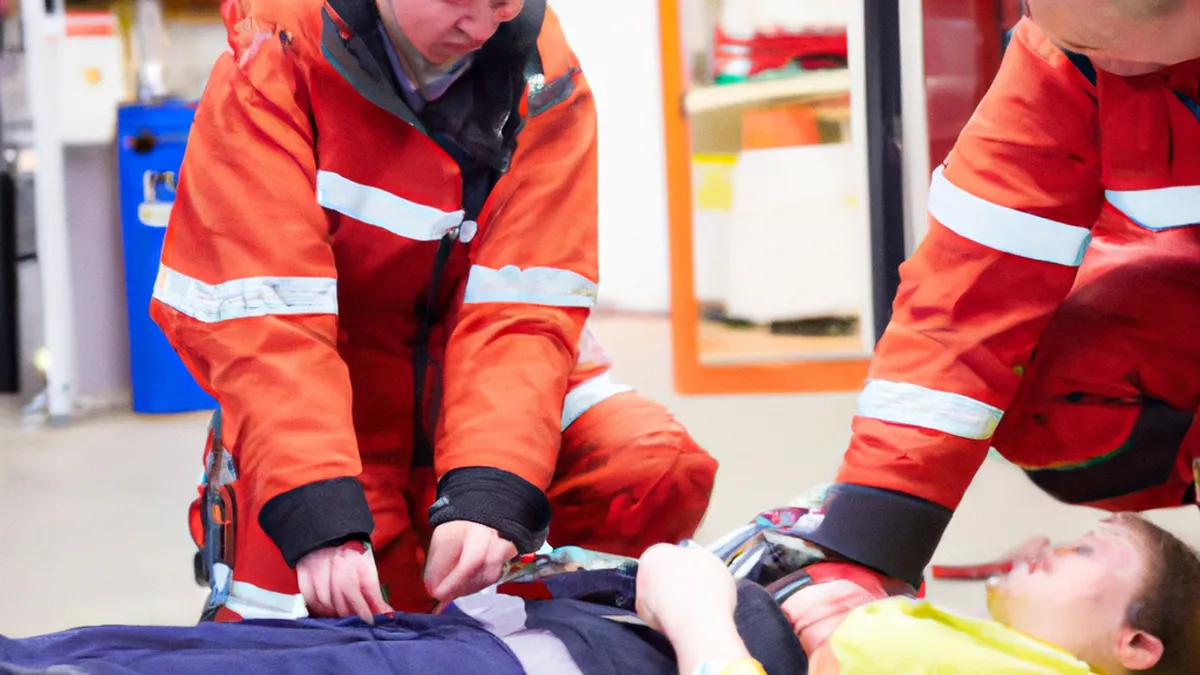
Severe injuries, like fractures or complete tears, often require surgery. Recovery typically takes six to twelve months or longer. After surgery, a structured rehabilitation protocol begins with immobilization, followed by gradual movement and strength training. The journey back to full activity can challenge both mental and physical strength.
Factors Influencing Rehab Timelines
As an Amazon Associate I earn from qualifying purchases.
Gear tip: consider mobility sliders, foam yoga wedge, and compression sleeves to support this topic.
Several factors influence your rehab timeline:1. **Type and Location of Injury:** Different injuries heal at different rates. A sprained ankle may heal faster than a torn ACL.2. **Age and Overall Health:** Younger individuals and those in better health tend to recover more quickly than older adults or those with health conditions.3. **Adherence to Rehab Protocol:** Following prescribed exercises and recommendations can significantly speed up recovery.4. **Support System:** A supportive network of family, friends, and healthcare professionals can motivate individuals to stay committed.
Conclusion
In summary, understanding rehab timelines and following a structured plan can enhance recovery. Focus on your specific injury, adhere to protocols, and seek support for a successful healing journey.
Below are related products based on this post:
FAQ
What is the typical recovery time for mild injuries?
Mild injuries, such as sprains and strains, usually heal within two to four weeks. Initial treatment involves rest, ice, compression, and elevation, followed by gentle stretching and strengthening exercises. Maintaining a consistent rehabilitation routine can help individuals return to light activities or sports within a month.
How long does recovery take for moderate injuries?
Moderate injuries, like partial ligament or tendon tears, generally require four to eight weeks for recovery. Comprehensive treatment and physical therapy are essential to restore function and strength. A structured physical therapy program focusing on strength, flexibility, and balance is crucial during this period.
What are the challenges associated with severe injuries?
Severe injuries, such as fractures or complete tears, often necessitate surgery and can take six to twelve months or longer for recovery. The rehabilitation process begins with immobilization and gradually progresses to movement and strength training. This recovery journey can be particularly challenging, requiring both mental and physical resilience.












Post Comment