
Pedal Smarter: Optimize Your Riding Time
Endurance Strategies for Older Riders
Aging can make riding challenging. However, older riders can enhance endurance and enjoy longer rides using the right strategies. This blog post offers practical tips and advice for staying active on two wheels.
Assess Your Current Fitness Level
Before starting any endurance plan, assess your fitness level. Consider these questions:- How often do you ride?- What distances do you cover?- Do you have any physical limitations?Understanding your baseline helps you set realistic goals. Be honest with yourself. This self-assessment establishes your endurance strategy.
Gradually Increase Ride Duration
To build endurance, gradually extend your ride duration. Start with short rides and slowly increase them. For example, if you usually ride for 30 minutes, aim for 40 minutes next week.- Add 10% to your ride time each week.- Listen to your body. If fatigue sets in, reduce intensity.This gradual approach prevents injuries and promotes consistent improvement. Stay patient; developing endurance takes time.
Incorporate Interval Training
Interval training boosts endurance significantly. This method alternates high-intensity bursts with lower-intensity recovery periods. For instance, ride hard for one minute, then recover for two minutes. Repeat this cycle several times during your ride.Engaging in interval training offers multiple benefits:- It improves cardiovascular fitness.- It enhances muscle strength.- It boosts mental toughness.Start with one interval session weekly. As you gain strength, increase frequency and intensity.
Stay Hydrated and Nourished
Proper hydration and nutrition are crucial for endurance riding. As you ride longer, your body requires fuel and water. Follow these tips:- Drink water before, during, and after your ride.- Eat a balanced meal beforehand, including carbohydrates for energy and protein for muscle repair.- Carry snacks like energy bars or bananas for longer rides.Staying hydrated and well-nourished maintains your energy levels. This strategy prevents fatigue and enhances performance.
Cross-Training for Strength and Flexibility
Adding cross-training to your routine builds strength and flexibility. Activities like swimming, yoga, or strength training complement cycling. These exercises target different muscle groups and improve overall fitness.- Swimming is low-impact and benefits cardiovascular health.- Yoga enhances flexibility and balance, crucial for stability while riding.- Strength training builds muscle, supporting your endurance.Aim for at least two cross-training sessions each week. This variety keeps your routine enjoyable and effective.
Prioritize Rest and Recovery
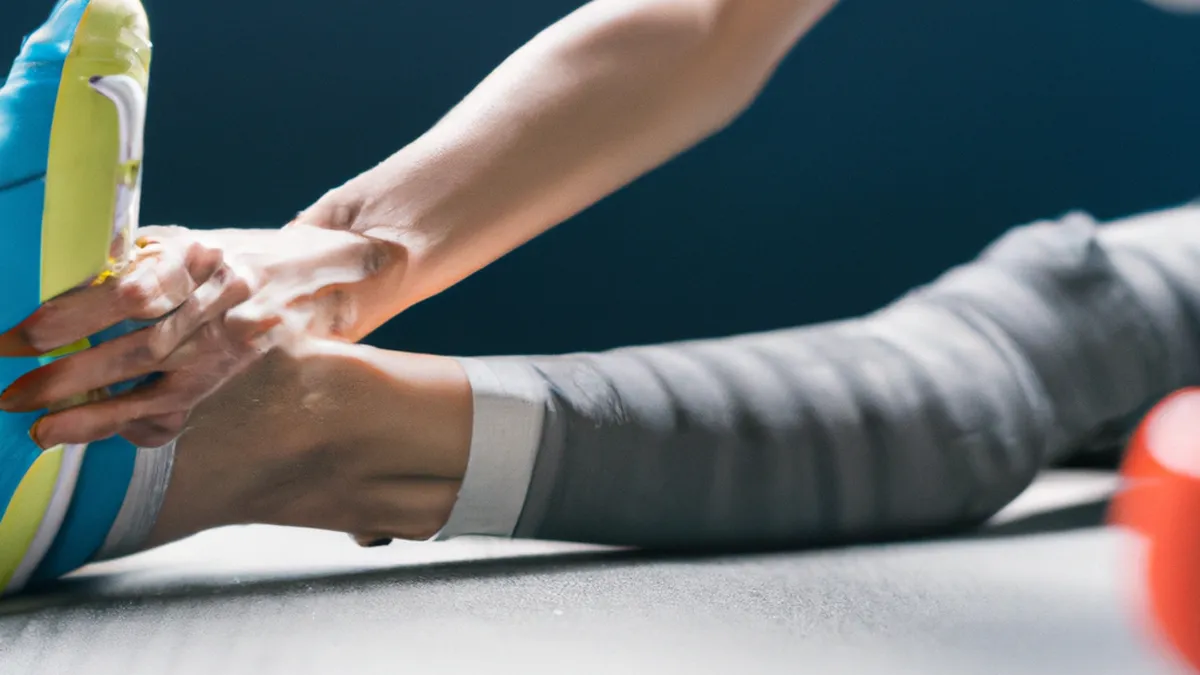
Rest is vital for endurance training. Older riders need recovery time for muscle healing. Listen to your body and take rest days when necessary. Consider these recovery tips:- Aim for 7-9 hours of sleep each night.- Incorporate active recovery days with light activities like walking or gentle cycling.- Stretch regularly to maintain flexibility and reduce muscle tightness.Prioritizing rest helps prevent burnout and injuries. Remember, recovery is as important as training.
Benefits of Endurance Riding
As an Amazon Associate I earn from qualifying purchases.
Gear tip: consider yoga blocks, mobility sliders, and foam yoga wedge to support this topic.
Engaging in endurance riding offers numerous advantages for older riders. Here are a few key benefits:
Improved Cardiovascular Health
Regular cycling strengthens your heart and lungs. This improvement leads to better circulation and lower blood pressure. Consequently, you feel more energetic.
Enhanced Mental Well-Being
Cycling benefits both body and mind. Riding outdoors boosts your mood and reduces stress. The sense of freedom and connection with nature fosters happiness.
Greater Social Opportunities
Joining a cycling group provides social interaction. Meeting like-minded riders fosters friendships and enhances motivation. These connections make riding enjoyable and rewarding.
Conclusion
Endurance riding can be fulfilling for older riders. By implementing these strategies, you can enhance stamina and enjoy the open road. Assess your fitness level, gradually increase ride duration, and incorporate interval training. Don’t forget to stay hydrated and cross-train for strength. Prioritize rest for effective recovery.Remember, cycling is a journey. Embrace each ride, savor the experience, and enjoy the benefits. Your body and mind will thank you. Get out there and ride!
Below are related products based on this post:
FAQ
How can older riders assess their current fitness level?
Older riders can assess their fitness level by considering how often they ride, the distances they cover, and any physical limitations they may have. This self-assessment helps in setting realistic endurance goals and establishes a baseline for improvement.
What is a recommended strategy for increasing ride duration?
To build endurance, older riders should gradually increase their ride duration by adding about 10% to their ride time each week. Starting with short rides and slowly extending them helps prevent injuries and promotes consistent improvement.
Why is hydration and nutrition important for endurance riding?
Hydration and nutrition are crucial for maintaining energy levels during longer rides. Riders should drink water before, during, and after cycling and eat balanced meals that include carbohydrates for energy and protein for muscle repair.













Post Comment