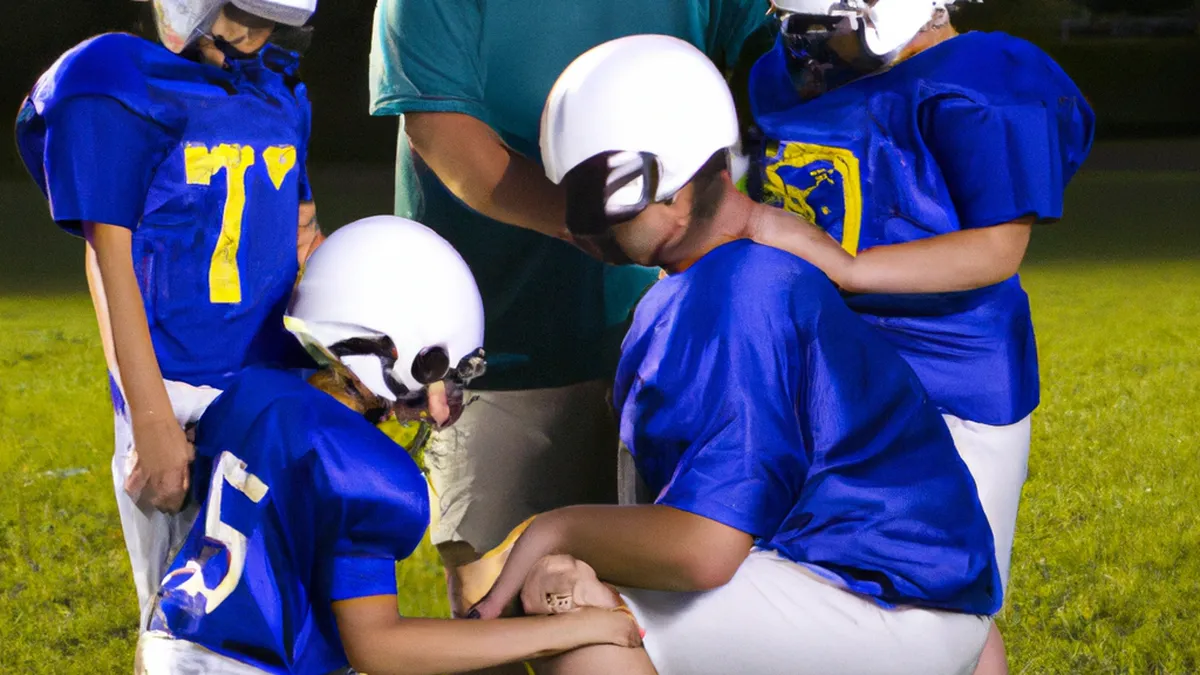
Parents vs Coaches: Building Team Unity
Building a Supportive Environment for Young Athletes and FamiliesSupporting young athletes requires more than just gear and transportation. It needs a nurturing environment for their physical, emotional, and social well-being. Parents, coaches, and the community all play key roles in this effort. This blog discusses practical strategies to create a supportive environment for young athletes and their families.
As an Amazon Associate I earn from qualifying purchases.
Gear tip: consider kids jump rope, agility rings, and soft medicine ball to support this topic.
Understand the Needs of Young Athletes
Young athletes have unique and evolving needs. Their age, skill level, and personal goals influence these needs. Understanding these factors is crucial for building support.
Listen to Their Concerns
Open communication is vital. Encourage young athletes to share their thoughts about experiences, feelings, and aspirations. Active listening builds trust. Ask simple questions like, “How do you feel about training?” or “What are your goals this season?” Hearing young athletes fosters positive engagement with their sport.
Be Aware of Burnout
Burnout poses a real threat to young athletes. A culture prioritizing performance can create excessive pressure. Parents, coaches, and peers may contribute to physical and emotional fatigue. Signs of burnout include performance drops, lack of enthusiasm, and complaints of discomfort. If you notice these signs, adjust training schedules or expectations. Remember, sports should be enjoyable, not stressful.
Promote a Growth Mindset
Encourage young athletes to adopt a growth mindset. Teach them that dedication and hard work can develop abilities. Celebrate efforts and improvements, not just outcomes. This approach fosters resilience and helps athletes learn from mistakes. Emphasizing effort over results promotes a healthier perspective on competition.
Involve Families in the Process
Families play a vital role in supporting young athletes. Involving them creates a strong support network, enhancing athletes’ experiences.
Organize Family Events
Host family-friendly events to build community and strengthen team bonds. Potlucks, team bonding activities, and skill-building workshops allow families to connect. These gatherings foster belonging and make sports more enjoyable for young athletes. Engaged families better understand their child’s athletic journey.
Provide Resources and Support
Share resources with families to enhance their support for young athletes. Offer articles on sports psychology, workshops on nutrition, or expert talks on injury prevention. Educated families provide informed encouragement, positively impacting their child’s experience. Consider creating a resource hub for valuable information and connections.
Encourage Positive Communication
Promote positive communication among families, coaches, and athletes. Hold regular meetings to discuss progress and share insights.
Conclusion
Creating a supportive environment for young athletes requires collaboration among parents, coaches, and families. Focus on listening, understanding, and fostering positivity for a rewarding athletic experience.
Below are related products based on this post:
FAQ
What are the unique needs of young athletes?
Young athletes have unique and evolving needs that are influenced by their age, skill level, and personal goals. Understanding these factors is essential for providing the right support to help them thrive in their sports endeavors.
How can parents and coaches prevent burnout in young athletes?
To prevent burnout, it is important to recognize signs such as performance drops and lack of enthusiasm. Adjusting training schedules and expectations can help alleviate pressure, ensuring that sports remain enjoyable rather than stressful for young athletes.
Why is family involvement important in supporting young athletes?
Family involvement creates a strong support network that enhances the experience of young athletes. Engaged families help foster a sense of belonging and understanding of their child’s athletic journey, which can significantly impact their motivation and enjoyment in sports.













Post Comment