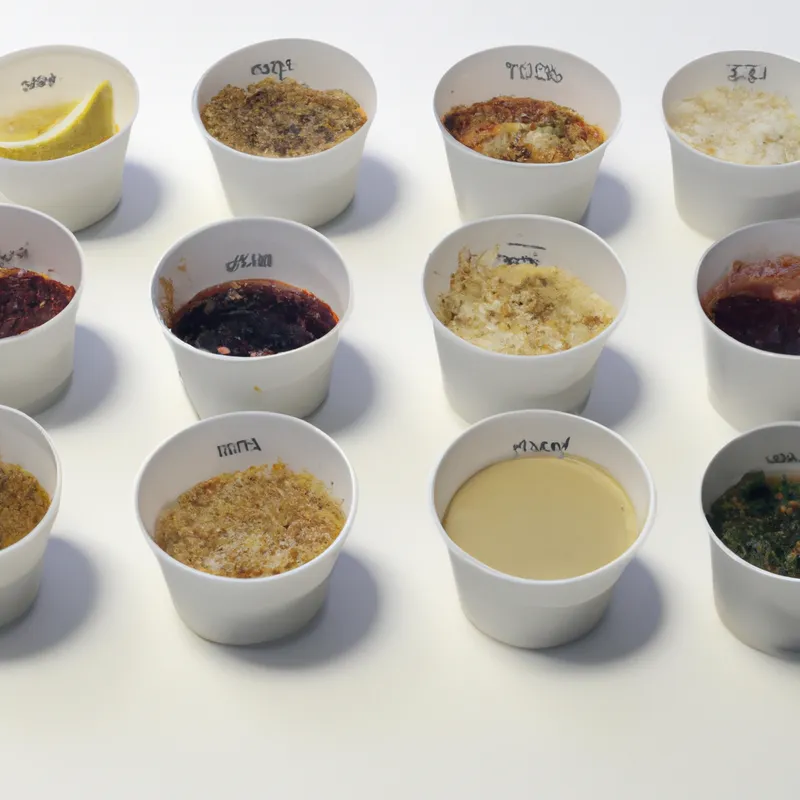
Optimize Meal Timing for Peak Vegan Performance
Meal Timing Strategies for Vegan Athletes
Athletes need proper nutrition to fuel their performance. For vegan athletes, meal timing is crucial. Timed meals can boost energy, improve recovery, and enhance performance. This blog post explores effective meal timing strategies for vegan athletes, offering a guide to maximize energy and athletic performance.
Understanding Meal Timing
Meal timing involves when you eat relative to your workouts. It critically impacts how your body responds to training. For athletes, timing meals can differentiate peak performance from hitting a wall.
Vegan athletes face unique challenges. They must consume enough protein, carbohydrates, and healthy fats within a plant-based diet. They also need to consider nutrient absorption and digestion. Knowing when to eat helps maximize these factors, fueling the body for training and recovery.
Pre-Workout Nutrition
Eating before a workout fuels your body. It provides the energy necessary for optimal performance. Aim for a balanced meal or snack 1-3 hours before exercising.
Focus on Carbohydrates
Carbohydrates serve as the primary energy source for athletes. Vegan athletes should prioritize complex carbohydrates. Opt for quinoa, brown rice, oats, and sweet potatoes. These foods release energy slowly, keeping you fueled throughout your workout.
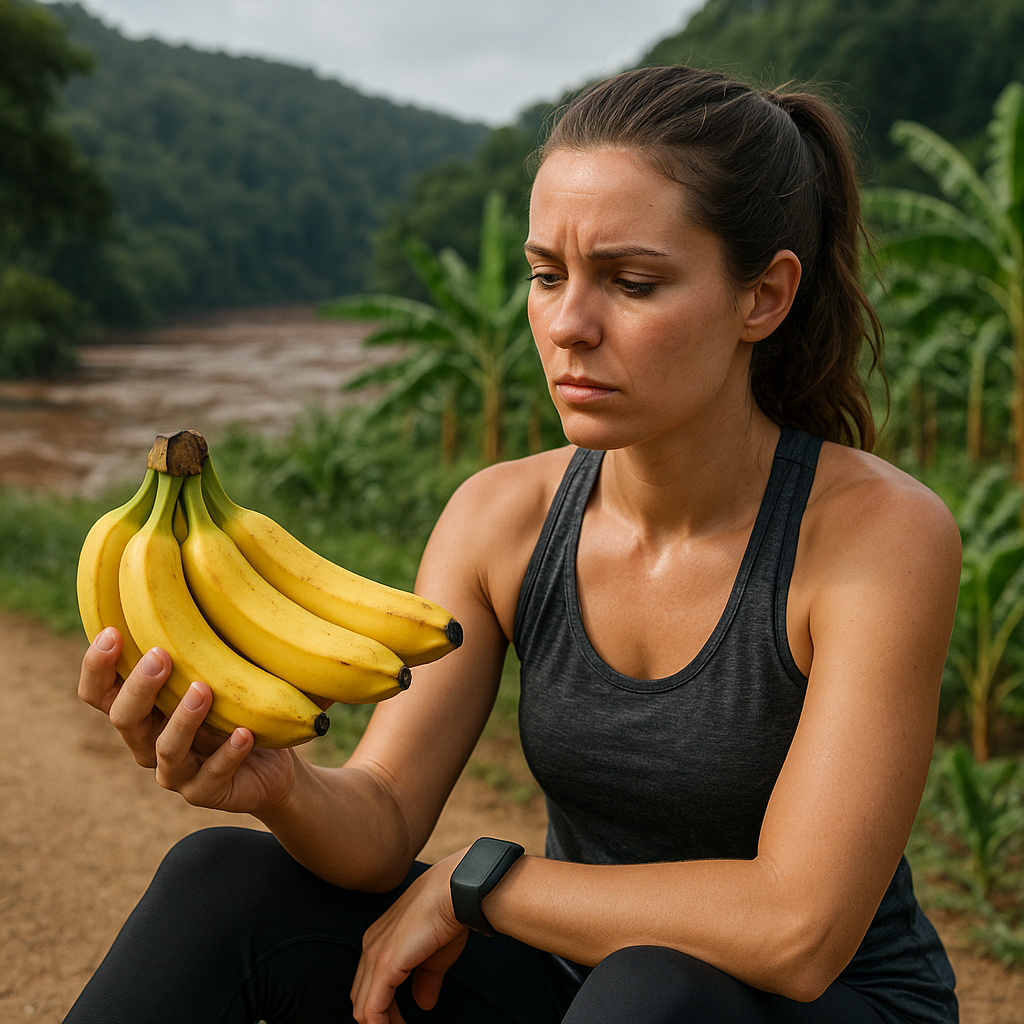
If you lack appetite before exercise, a carbohydrate-dense snack can help. Consider a banana, whole-grain toast with jam, or a small serving of granola.
Include Protein
Incorporate plant-based protein into your pre-workout meal. Choose lentils, chickpeas, edamame, or tofu. Protein supports muscle growth and repair, essential for recovery.
A smoothie with banana, spinach, and plant-based protein powder offers a quick, nutritious pre-workout option. This combination provides both carbohydrates and protein for success.
Hydrate
Hydrate before your workout. Drinking water keeps you properly hydrated, enhancing performance and endurance. Consider electrolyte-rich beverages for prolonged or intense workouts.
Post-Workout Recovery
Post-workout nutrition is as important as pre-workout meals. After training, your body needs to replenish and repair muscle tissue. Replenishing glycogen stores and repairing muscles drives progression.
Timing Is Key
Eat within 30 to 60 minutes after your workout. This window, known as the “anabolic window,” accelerates muscle repair and energy replenishment.
Balanced Meal Composition
Include carbohydrates and protein in your post-workout meal.
Conclusion
In summary, vegan athletes benefit from effective meal timing strategies. Proper nutrition enhances performance and recovery.
Below are related products based on this post:
FAQ
Why is meal timing important for vegan athletes?
Meal timing is crucial for vegan athletes as it significantly impacts energy levels, recovery, and overall performance. By strategically scheduling meals around workouts, athletes can maximize nutrient absorption and ensure their bodies are fueled effectively for training and recovery.
What should vegan athletes eat before a workout?
Before a workout, vegan athletes should focus on a balanced meal or snack rich in complex carbohydrates and plant-based protein. Foods such as quinoa, brown rice, oats, lentils, and chickpeas are excellent choices. Aim to eat these 1-3 hours prior to exercise to provide sustained energy and support muscle growth.
How soon should vegan athletes eat after a workout?
Vegan athletes should aim to eat within 30 to 60 minutes after their workout. This post-workout meal should include a combination of carbohydrates and protein to replenish glycogen stores and aid in muscle repair, maximizing recovery benefits during the critical “anabolic window.”












Post Comment