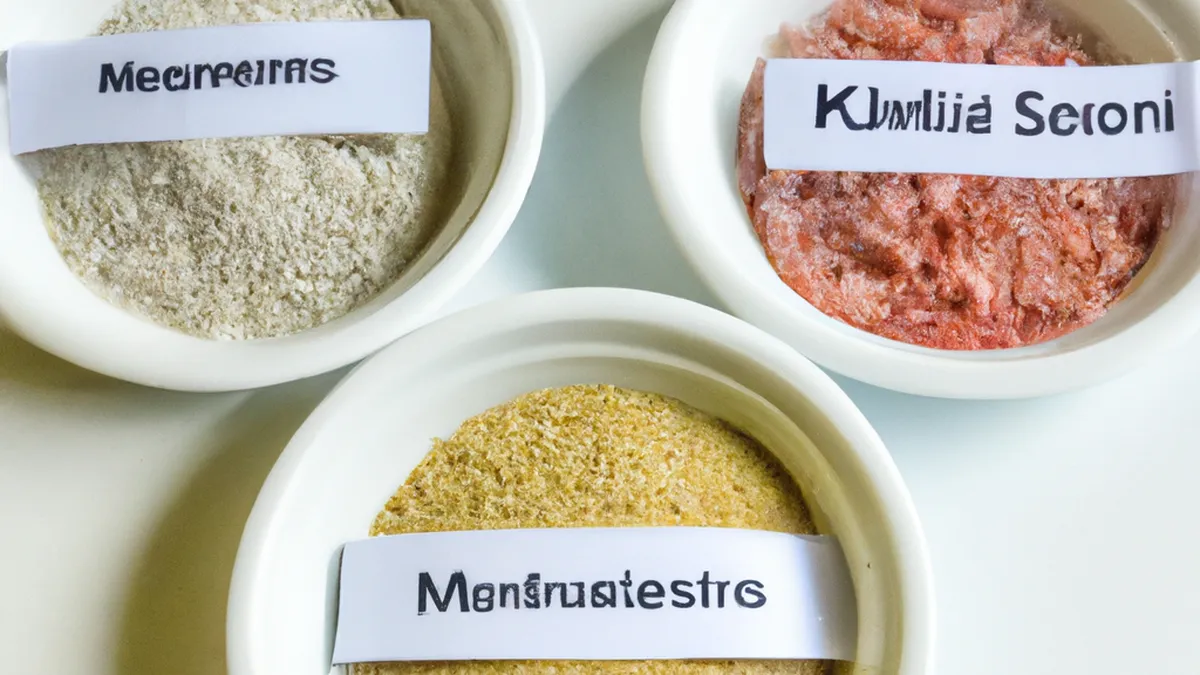
Natural Sources of Sodium and Potassium
Replenishing Electrolytes NaturallyMaintaining electrolyte balance is vital for your body. These minerals regulate hydration, muscle contractions, and nerve signaling. Losing electrolytes through sweat, urine, or illness can cause imbalances and health issues. Thankfully, you can replenish them naturally. This guide offers tips and benefits to restore electrolyte levels without commercial sports drinks.
Understanding Electrolytes
Electrolytes are electrically charged minerals, including sodium, potassium, magnesium, calcium, bicarbonate, and chloride. Each mineral plays a specific role in your body. Sodium regulates blood pressure and fluid balance. Potassium supports muscle function and prevents cramps. Calcium is essential for bone health and muscle contractions. Magnesium aids energy production and muscle relaxation.Dehydration from intense exercise, hot climates, or gastrointestinal illnesses can lower electrolyte levels. This imbalance may cause fatigue, muscle cramps, dizziness, and heart palpitations. Therefore, replenishing these minerals is crucial for optimal bodily function.
Tips for Natural Electrolyte Replenishment
As an Amazon Associate I earn from qualifying purchases.
Gear tip: consider electrolyte mix, soft flask, and sodium tablets to support this topic.
1. Drink Coconut Water
Coconut water offers an excellent source of electrolytes. It contains potassium, sodium, and magnesium, making it effective for rehydration. Many athletes prefer coconut water over traditional sports drinks due to its lower sugar content. Drinking coconut water can quickly restore electrolyte levels while providing a refreshing taste.
2. Eat Electrolyte-Rich Foods
Incorporating high-electrolyte foods into your diet helps replenish essential minerals. Consider these options:- **Bananas**: Rich in potassium, bananas aid muscle recovery and prevent cramping during physical activity.- **Spinach**: This leafy green is packed with magnesium and calcium, making it nutritious for salads, smoothies, or cooked dishes.- **Avocados**: They provide healthy fats and potassium, fitting well into savory or sweet meals.- **Sweet Potatoes**: These are high in potassium and fiber, making them a filling, nutritious choice.- **Nuts and Seeds**: Almonds, pumpkin seeds, and sunflower seeds offer magnesium and easily fit into your diet.Adding these foods to meals and snacks boosts your electrolyte intake effortlessly.
3. Make Your Own Electrolyte Drink
Creating your own electrolyte drink is simple and lets you control the ingredients. Mix water, a pinch of sea salt for sodium, and a splash of lemon or lime juice for potassium.
Conclusion
Replenishing electrolytes naturally helps maintain your body’s functions. Incorporate these tips for effective and healthy hydration.
Below are related products based on this post:
FAQ
What are electrolytes and why are they important?
Electrolytes are electrically charged minerals, such as sodium, potassium, magnesium, calcium, bicarbonate, and chloride. They play crucial roles in regulating hydration, muscle contractions, and nerve signaling, making them vital for maintaining overall bodily function.
How can I naturally replenish electrolytes?
You can naturally replenish electrolytes by drinking coconut water, eating electrolyte-rich foods like bananas, spinach, and avocados, or by making your own electrolyte drink. These methods provide essential minerals without relying on commercial sports drinks.
What symptoms indicate an electrolyte imbalance?
Symptoms of an electrolyte imbalance may include fatigue, muscle cramps, dizziness, and heart palpitations. These issues can arise from dehydration due to intense exercise, hot weather, or gastrointestinal illnesses, highlighting the importance of maintaining electrolyte balance.














Post Comment