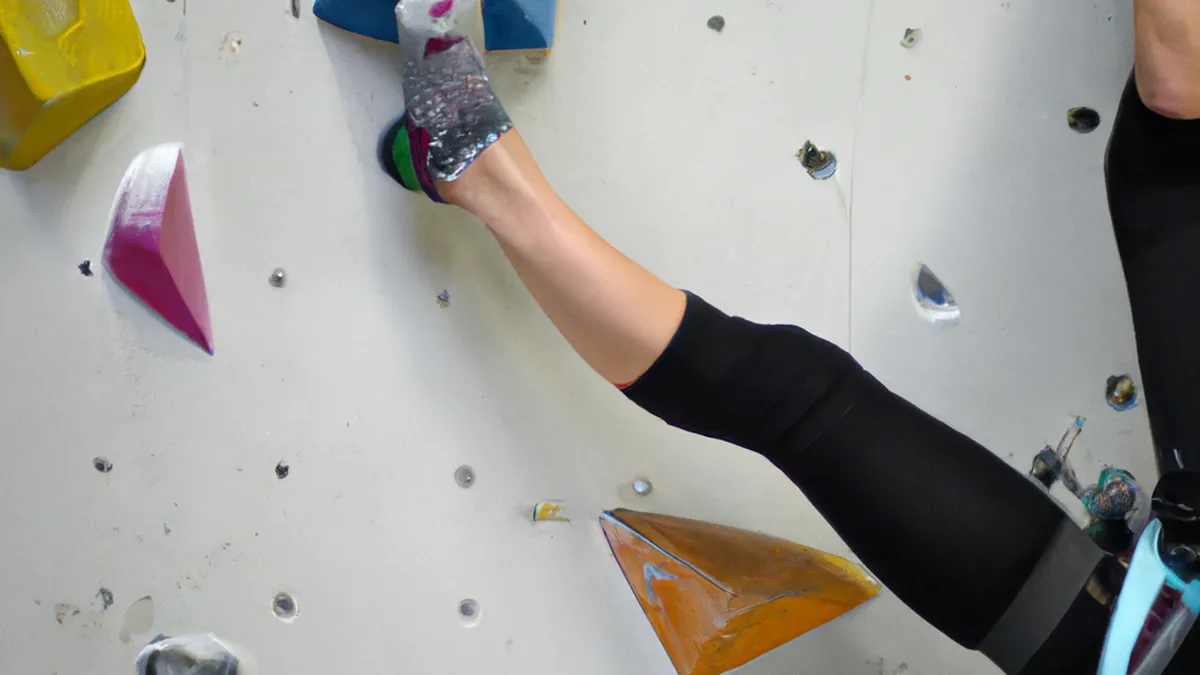
Narrow vs. Wide: Shoe Fit Matters
Choosing the Right Climbing ShoesClimbing tests your strength, focus, and technique. The right climbing shoes enhance your experience on the wall. With many options available, how do you choose the best pair? This guide helps you select climbing shoes that fit your style and needs.
Understanding Climbing Shoe Types
Climbing shoes come in various styles, each serving a different purpose. Knowing these types helps you make the right choice.
Neutral Climbing Shoes
Neutral shoes offer comfort and support, ideal for beginners. These shoes fit relaxed, allowing extended wear without discomfort. They suit all-day wear, making them perfect for multi-pitch climbs, indoor climbing, or long days at the crag. Their versatility appeals to new climbers exploring their climbing style.
Moderate Climbing Shoes
Moderate shoes balance comfort and performance. They feature a slight downturn, enhancing precision on footholds while remaining comfortable. These shoes suit sport and trad climbing, providing enough sensitivity to feel the rock while offering support for longer climbs. Experienced climbers often choose these shoes as they progress in skills.
Aggressive Climbing Shoes
Aggressive shoes have a pointed toe and tight fit, maximizing power and precision on steep routes. They excel in sport climbing and bouldering, where precise foot placements matter. However, their tight fit can cause discomfort during extended wear, making them unsuitable for beginners. If you plan to tackle challenging routes, aggressive shoes provide the edge you need.
Factors to Consider When Choosing Climbing Shoes
As an Amazon Associate I earn from qualifying purchases.
Gear tip: consider climbing shoes, chalk bag, and belay device to support this topic.
When selecting climbing shoes, consider several factors: fit, material, and closure system. Each factor significantly impacts your climbing experience.
Fit
Fit is the most crucial aspect to consider. Aim for snug shoes that aren’t painfully tight. Try on shoes at the end of the day when your feet swell slightly; this gives you a more accurate fit.Walk around in the shoes and test them on a climbing wall if possible. Pay attention to how they feel on your heels, toes, and arches. A good fit feels secure without pinching or excessive pressure. Try multiple sizes and brands, as sizing varies. Take your time to find the best fit.
Material
Climbing shoes typically use leather or synthetic materials, each with advantages.
Conclusion
Choose climbing shoes that fit well and suit your climbing style. Prioritize comfort, support, and performance for an enjoyable experience.
Below are related products based on this post:
FAQ
What are the different types of climbing shoes?
Climbing shoes come in three main types: neutral, moderate, and aggressive. Neutral shoes prioritize comfort and support for beginners, while moderate shoes balance comfort and performance for experienced climbers. Aggressive shoes maximize power and precision but may cause discomfort for extended wear, making them less suitable for beginners.
How important is the fit of climbing shoes?
The fit of climbing shoes is the most crucial aspect to consider. Aim for a snug fit that is secure without being painfully tight. Trying on shoes later in the day when your feet are slightly swollen helps ensure a more accurate fit.
What materials are climbing shoes made from?
Climbing shoes are typically made from either leather or synthetic materials, each offering distinct advantages. Leather provides a more customized fit over time, while synthetic materials often offer better breathability and moisture management. Choosing the right material can impact your overall comfort and performance on the wall.














Post Comment