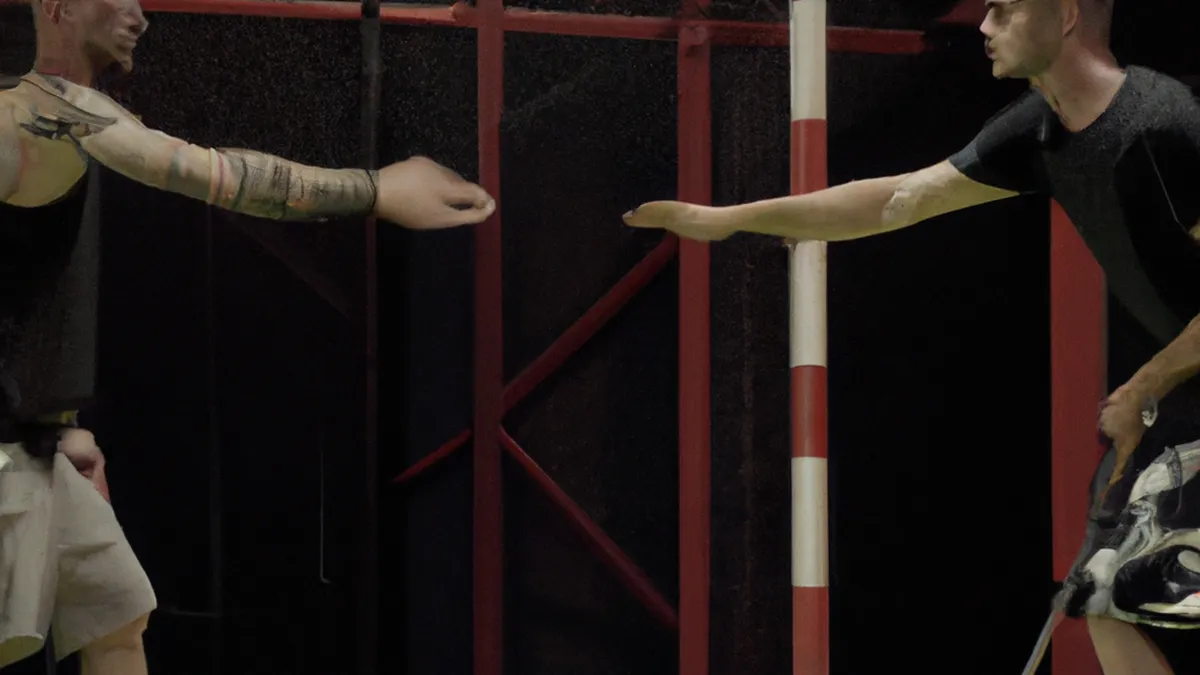
Motion Capture: Game Changer for Athletes
Motion Capture for Agility ImprovementAgility plays a crucial role in sports and fitness. Improving agility boosts performance for professional athletes and weekend warriors alike. Motion capture technology refines agility through movement analysis. You can identify areas for improvement in real-time. This blog explores how motion capture enhances agility.
Understanding Motion Capture
Motion capture, or MoCap, records movement with sensors and cameras. It creates a digital skeleton by capturing body data points. This technology visualizes your physical actions. You see exactly how you move. It offers detailed feedback on agility, speed, and coordination.
How Motion Capture Works
First, place markers on key body points. These markers track movements during various exercises. Specialized software analyzes the collected data. This software generates a 3D model of your motions. You can identify strengths and weaknesses in agility training.
Types of Motion Capture Systems
Motion capture systems fall into two main categories: optical and inertial. Optical systems use cameras to track reflective markers. Inertial systems rely on sensors attached to your body. Both methods provide valuable insights, each with pros and cons. Choose the system that fits your needs and budget.
Tips for Using Motion Capture to Improve Agility
As an Amazon Associate I earn from qualifying purchases.
Gear tip: consider multisport smartwatch, cadence sensor, and bar speed tracker to support this topic.
Maximize motion capture benefits by following these tips:1. **Set Clear Goals**: Define which agility aspects you want to improve, such as speed, reaction time, or footwork.2. **Choose the Right Environment**: Conduct sessions on a flat, open surface for accurate tracking and data collection.3. **Warm Up Properly**: Always warm up before your session to prevent injuries and enhance performance.4. **Record Multiple Trials**: Capture several trials for a comprehensive view of your agility, helping identify consistent movement patterns.5. **Review Data Regularly**: Analyze your data after each session. Look for improvement areas and adjust training accordingly.
Advice for Effective Training
Incorporate motion capture into your training routine for transformation. Use data wisely with these strategies:
Focus on Weaknesses
Identify weak points through motion capture analysis. If lateral movement is slow, prioritize drills to enhance side-to-side agility. Spend time working on these areas for gradual improvement.
Incorporate Drills
After identifying weaknesses, add specific drills to your training. Ladder exercises, cone drills, and shuttle runs enhance agility. Use motion capture to monitor progress and adjust training as needed.
Seek Professional Guidance
Work with a coach or trainer experienced in motion capture technology. They provide valuable insights and help interpret data. A professional can design a personalized training plan tailored to your goals.
Benefits of Motion Capture for Agility
Using motion capture technology offers numerous benefits:
Accurate Feedback
Motion capture provides precise feedback on movements. This data helps you improve agility effectively. Unlike traditional methods, you receive real-time insights. This accuracy leads to better training outcomes.
Enhanced Performance
Identifying and addressing weaknesses enhances overall performance. Improved agility translates into better speed, coordination, and reaction times. These factors matter in competitive sports and physical activities.
Injury Prevention
Motion capture technology helps prevent injuries. Analyzing movement patterns reveals risky motions. Addressing these issues reduces injury likelihood, allowing you to train harder and longer without setbacks.
Conclusion
Motion capture technology revolutionizes agility improvement. Understand how it works, set clear goals, and incorporate effective strategies to enhance agility. Accurate feedback and insights from motion capture lead to better performance and injury prevention. Embrace this innovative technology to move more efficiently and effectively. Elevate your agility training today!
Below are related products based on this post:
FAQ
What is motion capture and how does it work?
Motion capture, or MoCap, records movement using sensors and cameras to create a digital skeleton. It tracks key body points during exercises and analyzes the data with specialized software, generating a 3D model of your motions to visualize and assess performance.
What are the types of motion capture systems?
Motion capture systems are primarily divided into two categories: optical and inertial. Optical systems utilize cameras to track reflective markers, while inertial systems use sensors attached to the body, each offering different advantages based on the user’s needs and budget.
How can I effectively use motion capture to improve my agility?
To maximize the benefits of motion capture, set clear goals for specific aspects of agility, choose an appropriate environment for accurate tracking, and consistently review your data. Incorporating targeted drills and seeking professional guidance can further enhance your training results.












Post Comment