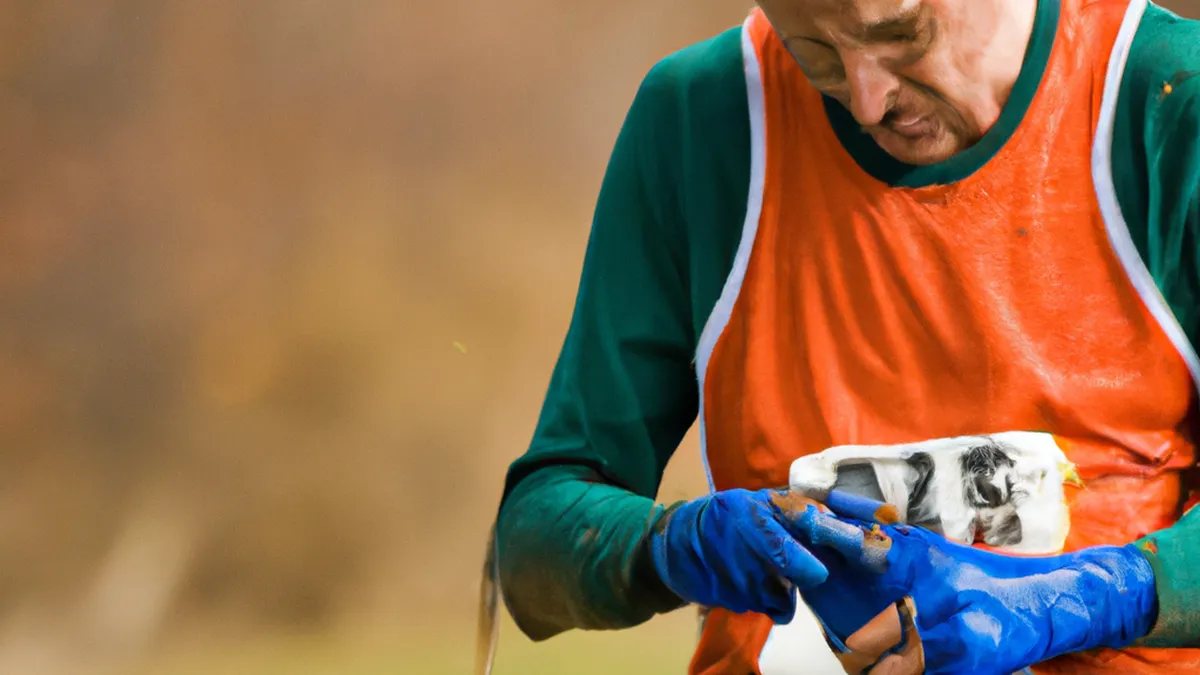
Modify Training for Lasting Performance
Senior Athlete Considerations: Modifying Training Intensity for LongevityAging affects athletic performance. Many senior athletes wish to stay active while reducing injury risk. Modifying training intensity is crucial for longevity. By adapting workouts, seniors can enjoy their favorite activities for years.
As an Amazon Associate I earn from qualifying purchases.
Gear tip: consider carb gels, protein bars, and soft flask to support this topic.
Understand Your Body’s Changes
Aging reduces muscle mass, bone density, and flexibility. These changes impact your training. You may notice slower recovery after workouts. Listen to your body and adjust your training if you feel fatigued.
Pay Attention to Recovery
Recovery becomes vital as you age. Your body requires more healing time after strenuous activities. Schedule rest days to allow muscle repair and growth. Consider active recovery techniques like gentle yoga or walking to promote blood flow.
Focus on Flexibility and Mobility
Prioritize flexibility and mobility in your training. Aging can cause joint and muscle stiffness. Regular stretching can help. Perform dynamic stretches before workouts and static stretches afterward. Incorporate yoga or Pilates to enhance flexibility and body awareness.
Adjust Training Intensity
Senior athletes must modify training intensity. High-intensity workouts can cause injuries. Instead, focus on gradual progress. Mix moderate and low-intensity sessions to maintain fitness without overexertion.
Use the Talk Test
The talk test helps gauge workout intensity. You should converse easily during exercise. If talking becomes difficult, reduce your intensity. This method keeps you in a safe training zone while building endurance.
Set Realistic Goals
Set realistic goals to stay motivated. Focus on achievable targets rather than past performances. For instance, aim to walk a distance instead of running a time. Celebrate small victories to foster a positive mindset.
Incorporate Strength Training
Strength training is crucial for senior athletes. It maintains muscle mass and bone density. Aim for two to three sessions weekly. Use lighter weights or resistance bands to minimize injury risk. Focus on compound movements like squats and lunges for functional strength.
Cross-Training Benefits
Cross-training enhances your fitness routine. It engages different muscle groups and prevents overuse injuries. Activities like swimming or cycling provide cardiovascular benefits without stressing joints. They also add variety, making training more enjoyable.
Stay Hydrated and Nourished
Nutrition and hydration significantly impact athletic performance. Older adults often feel less thirsty, making hydration essential. Drink water before, during, and after workouts. Focus on a balanced diet rich in protein, healthy fats, and carbohydrates to support recovery.
Benefits of Modifying Training Intensity
Modifying training intensity benefits senior athletes. It reduces injury risk by maintaining manageable intensity. Additionally, it promotes long-term fitness and better physical health. This leads to improved quality of life and increased longevity.Adapting training fosters mental resilience. It teaches you to listen to your body and understand your limits. This awareness allows you to enjoy physical activity without frustration, finding joy in movement.
Conclusion
In conclusion, modifying training intensity is vital for senior athletes seeking longevity. Understand your body’s changes and prioritize recovery. Adjust your training approach, and incorporate strength training and proper nutrition. Enjoy the process, celebrate achievements, and maintain health for years. Embrace these changes and thrive in your athletic endeavors.
Below are related products based on this post:
FAQ
How does aging affect athletic performance?
Aging reduces muscle mass, bone density, and flexibility, which can impact training and performance. Senior athletes may notice slower recovery times and increased fatigue, making it crucial to listen to their bodies and adjust training accordingly.
Why is recovery important for senior athletes?
Recovery is vital as the body requires more time to heal after strenuous activities. Scheduling rest days allows for muscle repair and growth, and incorporating active recovery techniques like gentle yoga or walking can enhance blood flow and overall recovery.
What training adjustments should senior athletes make?
Senior athletes should modify their training intensity to reduce the risk of injury. Mixing moderate and low-intensity sessions while focusing on gradual progress helps maintain fitness without overexertion. Using the talk test can also help gauge and ensure safe workout intensity.














Post Comment