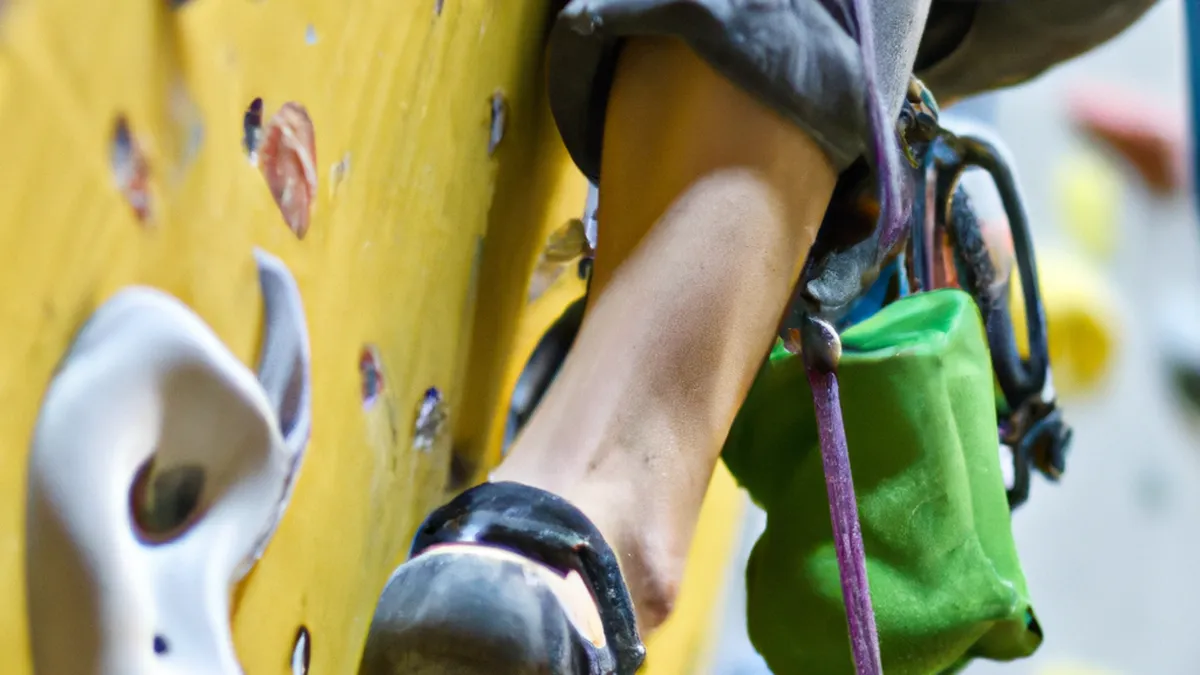
Mobilize for Success After Scaling (Bouldering)
Post-Climb Mobility Routines: Enhance Recovery and PerformanceClimbing challenges your body and mind. It pushes you to your physical and mental limits. Whether you scale a rock wall or navigate a bouldering problem, your muscles and joints endure stress. After a climb, prioritize your body’s recovery. A post-climb mobility routine helps. This routine reduces stiffness, improves flexibility, and aids recovery. With effective routines, you can climb again sooner and more easily. This post explores effective post-climb mobility routines, their benefits, and expert tips.
Importance of Post-Climb Mobility
After climbing, your body experiences physical changes. Muscles tighten, fascia restricts, and joints may feel sore. A proper mobility routine counteracts these effects. Post-climb mobility exercises enhance blood flow, reduce soreness, and improve range of motion. Flexibility and mobility directly impact climbing performance.A well-structured mobility routine also prevents injuries. Flexible muscles and mobile joints absorb shock and stress effectively. This flexibility allows for powerful, efficient movements, reducing strain and overuse injuries.
Effective Mobility Exercises
As an Amazon Associate I earn from qualifying purchases.
Gear tip: consider massage gun, lacrosse ball, and peanut mobility ball to support this topic.
Begin your post-climb mobility routine with gentle movements. Gradually increase your heart rate and loosen your muscles. Here are some key exercises:
1. Dynamic Stretching
Dynamic stretching moves your body through its full range of motion. It increases blood flow and prepares your muscles for stretching. Consider these dynamic stretches:- **Arm Circles**: Stand shoulder-width apart. Extend your arms and make small circles. Gradually increase the circle size for 30 seconds. This loosens your shoulders, heavily engaged during climbing.- **Leg Swings**: Hold onto a wall or stable surface. Swing one leg forward and backward while engaging your core. Repeat 10 swings on each leg. This movement loosens the hip joints and hamstrings.
2. Foam Rolling
Foam rolling alleviates muscle tension and soreness. It targets areas of tightness, especially after intense climbing. Focus on these muscle groups:- **Quads and Hamstrings**: Sit on the floor with the foam roller under your thighs. Roll slowly from your hips to your knees, spending extra time on tight spots. This technique reduces soreness in your legs.- **Back**: Lie on your back with the foam roller under your shoulder blades. Cross your arms over your chest.
Conclusion
In summary, prioritize post-climb mobility routines to enhance recovery and performance. Practice these exercises regularly for better results.
Below are related products based on this post:
FAQ
Why is post-climb mobility important?
Post-climb mobility is crucial because it helps counteract the physical changes your body undergoes after climbing. Muscles can tighten, fascia may restrict, and joints can feel sore. A proper routine enhances blood flow, reduces soreness, and improves range of motion, all of which are essential for climbing performance.
What are some effective mobility exercises to include?
Effective mobility exercises include dynamic stretching and foam rolling. Dynamic stretching, such as arm circles and leg swings, helps increase blood flow and prepare your muscles. Foam rolling targets muscle tension and soreness, focusing on areas like the quads, hamstrings, and back.
How often should I practice my post-climb mobility routine?
It is recommended to practice your post-climb mobility routine regularly for optimal results. Consistent performance of these exercises enhances recovery and helps maintain flexibility, allowing you to climb again sooner and with greater ease.














Post Comment