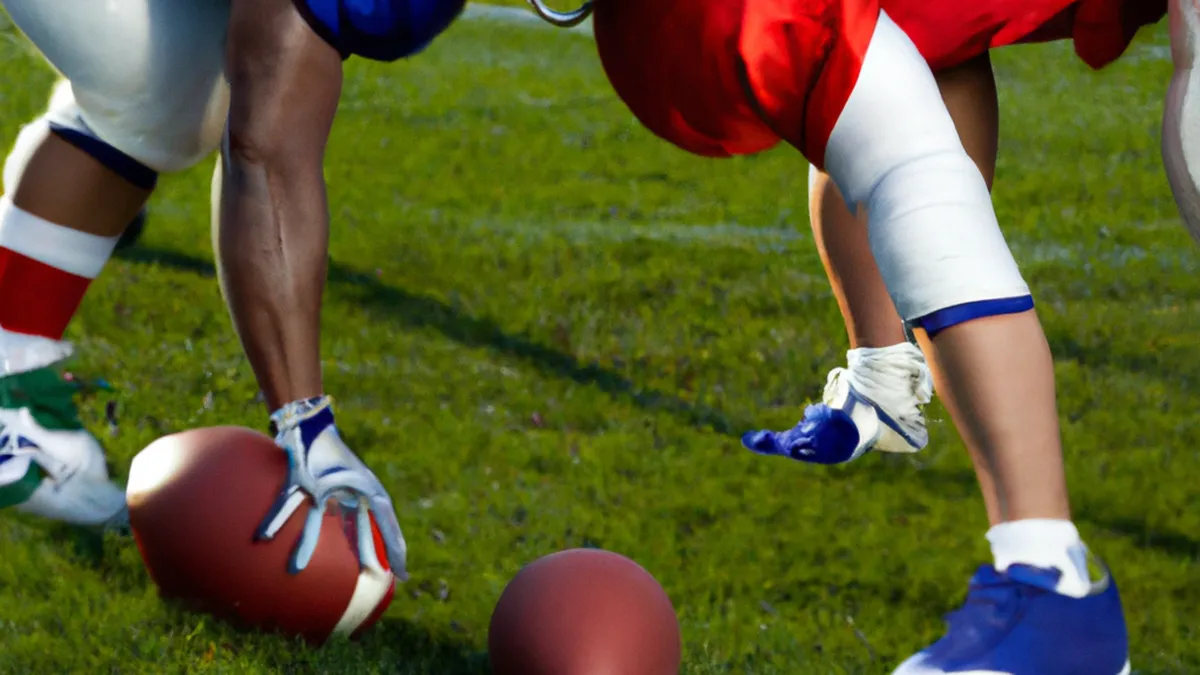
Misdirection Plays: Confuse Your Opponent
Offensive Plays for Football Teams: Strategies for SuccessFootball is a dynamic sport where strategy influences game outcomes. An effective offensive strategy dictates match tempo and creates scoring opportunities. Teams must understand and master various offensive plays to enhance performance and outpace the competition. This blog post explores multiple offensive plays, their benefits, and tips for successful execution.
Types of Offensive Plays
Football teams use several offensive plays to exploit different defensive aspects. Here are popular offensive plays in modern football:
1. Running Plays
Running plays form the foundation of a team’s offensive strategy. Teams hand the ball to a running back, who advances it down the field. Effective running plays wear down defenses and create favorable matchups. Common running plays include:- **Inside Zone:** The offensive line blocks defenders to create gaps. The running back reads the blocks and aims for the open lane. This play capitalizes on the offensive line’s ability to move defenders.- **Outside Zone:** This play stretches the defense horizontally, forcing lateral movement. The offensive line seals off the edge, allowing the running back to get outside quickly. Speed is crucial, as the running back must choose between turning the corner or cutting back inside.- **Power Run:** A power run play relies on a strong offensive line push. A pulling guard often leads the running back through the hole. This play excels in short-yardage situations, using strength and momentum to gain vital yards.
2. Passing Plays
Passing plays serve as another essential component of an offensive strategy. The quarterback throws the ball to a receiver or tight end. Successful passing plays lead to significant yardage gains and scoring opportunities. Popular passing plays include:- **Slant Route:** The receiver takes a few steps forward before cutting sharply inside. This route works for quick passes and exploits soft spots in zone defenses. Timing is critical, as the quarterback must release the ball as the receiver cuts.- **Post Route:** The receiver runs straight downfield before making a sharp turn toward the goal post. Post routes stretch the defense vertically, allowing deeper passes. Quarterbacks often target this route against one-on-one coverage.- **Screen Pass:** The screen pass aims to catch the defense off guard. The quarterback throws a short pass to a running back or receiver behind the line. Offensive linemen move out to block for them.
Conclusion
As an Amazon Associate I earn from qualifying purchases.
Gear tip: consider football, whey protein powder, and plant protein powder to support this topic.
In summary, various offensive plays enhance football team performance. Teams that master these strategies gain a competitive edge.
Below are related products based on this post:
FAQ
What are running plays in football?
Running plays are foundational elements of a football team’s offensive strategy. They involve handing the ball to a running back who then advances it down the field, aiming to exploit defensive weaknesses. Effective running plays can wear down defenses and create advantageous matchups for the team.
What are some examples of passing plays?
Passing plays are crucial for gaining yardage and creating scoring opportunities in football. Examples include slant routes, where receivers cut sharply inside, and post routes, which stretch the defense vertically. These plays require precise timing and execution to be successful.
How do offensive plays impact game strategy?
Offensive plays significantly influence a team’s strategy and the overall tempo of the game. By mastering various plays, teams can enhance their performance and create scoring opportunities. A well-executed offensive strategy can provide a competitive edge over opponents.













Post Comment