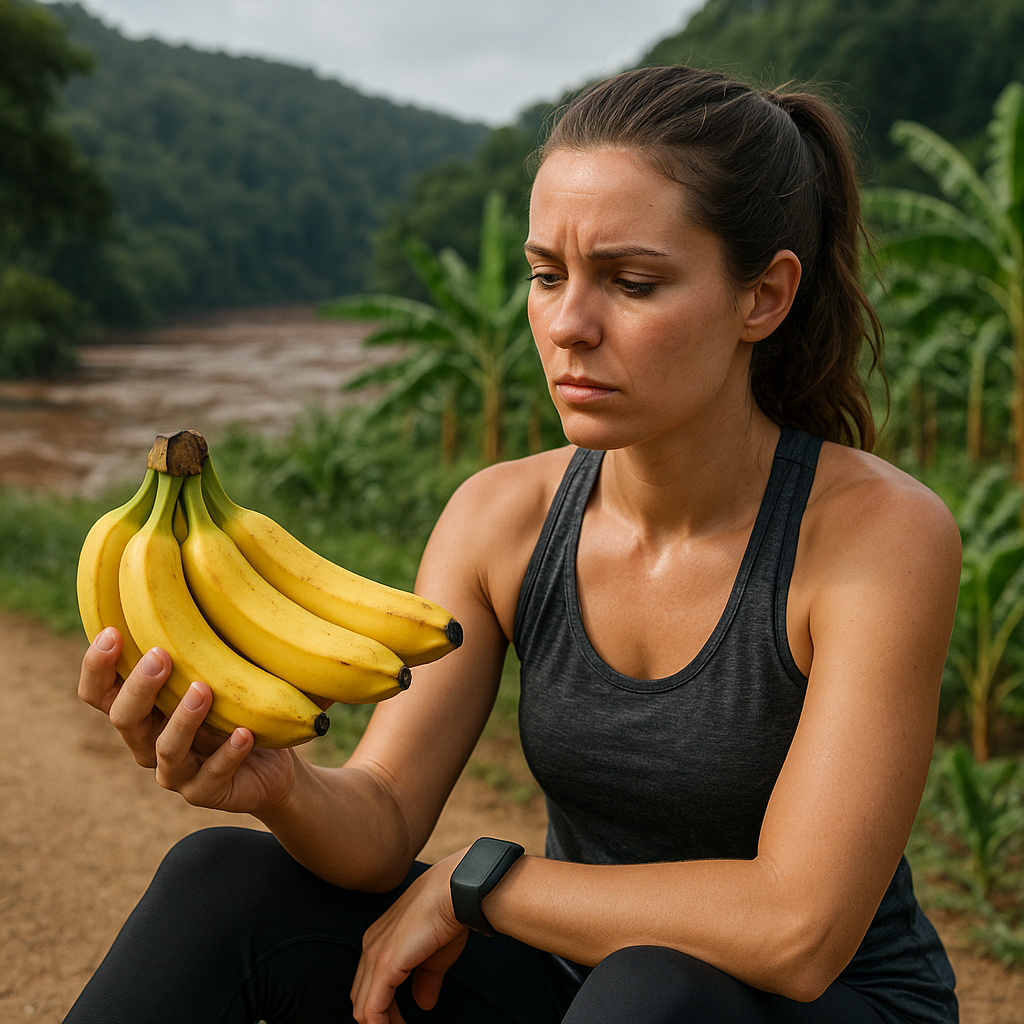
When Mine Tailings Enter the Food Chain: What the Brazil Disaster Means for Bananas and Other Crops
The 2015 collapse of an iron-ore tailings dam in Brazil released enormous volumes of mining waste across agricultural lands. In the years since, researchers studying crops grown on contaminated soils have documented that toxic metals can move from the soil into edible plants. This article explains what that means for families, farmers and communities — what was found, how metals enter crops, who may be at risk, and practical steps to lower exposure.
Quick Summary
- Studies of farmland affected by the 2015 mining disaster in Brazil show toxic metals such as lead and cadmium can be taken up by staple crops including bananas, cassava and cocoa.
- Bananas in the affected zones were flagged as a potential health concern for children under six; adults face lower immediate risk but long-term exposure can accumulate.
- Plant uptake depends on soil chemistry, plant species, and agricultural practices — not all fields or crops are equally affected.
- Practical steps — soil testing, changing crop choices, simple food preparation, and remediation approaches — can reduce exposure while longer-term cleanup is pursued.
How mining waste can end up in food
When a tailings dam fails, fine-grained mining waste spreads across the landscape. Those materials often contain trace metals that were concentrated during ore processing. Over time, some of those elements bind to soil particles while others stay in more mobile forms that plants can take up through their roots. Factors that influence uptake include soil pH, organic matter, the chemical form of each metal, and the particular crop’s root system and physiology.
Which crops are most likely to accumulate metals?
Crops differ in how readily they absorb and store metals. Root and tuber crops (like cassava), fruits with thin skins (like bananas), and plants that accumulate metals for biological reasons (some leafy greens, certain cereals) can show measurable metal concentrations. Researchers working in the Brazil-affected areas reported detectable lead and cadmium in bananas, cassava and cocoa — enough that children who eat those bananas frequently could exceed recommended exposure limits.
Who is most vulnerable?
Children are the primary concern. Their smaller body size, developing nervous and organ systems, and higher intake of food per kilogram of body weight make them more susceptible to harmful effects of toxic metals such as lead and cadmium. For adults, occasional consumption of affected produce is less likely to cause immediate harm, but several metals bioaccumulate and chronic exposure raises the risk of long-term health effects.
Practical steps to reduce exposure
Community-level remediation and regulatory responses take time. Meanwhile, there are effective, practical actions families, farmers and local authorities can take to reduce metal transfer from soil to plate.
For farmers and land managers
- Test soil and irrigation water for metal concentrations and pH before planting.
- Prefer crops that accumulate fewer metals (based on local testing) and avoid growing high-uptake species in contaminated plots.
- Use soil amendments: raising pH (lime) and adding organic matter can reduce metal mobility for some elements.
- Consider phytoremediation (using specific plants to extract metals) under expert guidance — it’s a long-term strategy, not a quick fix.
- When possible, grow food in raised beds filled with clean topsoil or imported growing medium for produce consumed raw.
For consumers and households
- Know your source. If produce comes from land near a known contamination event, ask whether fields have been tested.
- Wash produce well and peel fruits and roots when appropriate — peeling can reduce surface residues for some foods, but won’t remove metals taken up inside tissue.
- Diversify diets so that a single local food does not dominate a child’s diet.
- When in doubt, prioritize lower-risk foods for young children; consult local health guidance about specific crops and areas.
Checklist: Immediate actions for communities and households
- Obtain soil and water testing from accredited labs (note location and depth of samples).
- Identify which crops were grown on impacted plots and test representative produce.
- Restrict or limit consumption of high-uptake foods by infants and young children until test results are clear.
- Implement simple agricultural fixes where possible — raised beds, clean soil, and crop changes.
- Contact local agricultural extension, environmental agencies or public health services for guidance and resources.
Common Mistakes
- Assuming all produce from an affected region is unsafe — contamination is patchy and depends on many variables.
- Relying solely on rinsing/washing to remove metals that have been taken up into plant tissues.
- Believing imported or packaged foods are automatically safer — supply chains and origins matter.
- Delaying testing because of cost concerns — targeted testing can be cost-effective compared with health impacts over time.
- Ignoring children’s diet and exposure patterns; small bodies and habitual eating increase risk.
Longer-term responses and policy considerations
Dealing with mining-related contamination requires coordinated action: environmental cleanup, monitoring of food systems, public health screening programs and support for affected farmers. Remediation approaches range from soil removal and replacement to chemical stabilization and vegetation strategies. Transparent communication about risks and timelines is essential so communities can make informed decisions about food production and consumption.
Public health agencies may recommend blood or urine testing in some exposure scenarios. If you are concerned about possible exposure, speak with a local health professional or public health authority about appropriate screening and follow-up — this article does not provide medical advice.
Conclusion
The Brazil mining disaster underscores a persistent reality: environmental contamination can move off-site and into food chains. Research showing lead and cadmium in crops like bananas, cassava and cocoa highlights the importance of testing, precautionary measures for children, and practical agricultural adjustments. While adults generally face lower immediate risks from occasional consumption, cumulative exposure matters over the long term. Communities, farmers and health authorities should collaborate on testing, remediation and clear guidance so families can protect children and maintain safe food supplies.
FAQ
1. Can washing or peeling fruit remove lead and cadmium?
Washing and peeling can reduce surface contamination and dust, but they don’t remove metals that have been absorbed into the edible tissues of a plant. For fruits like bananas, peeling may reduce some surface residues, but internal metal content depends on uptake from the soil.
2. Should children stop eating bananas from the affected areas?
Not necessarily for all situations. If testing shows elevated metal levels in locally grown bananas, limiting or substituting those bananas for young children is prudent until safer sources are confirmed. Speak with local health authorities for area-specific guidance.
3. Are imported foods safer than locally grown produce near a mine disaster?
Imported foods are not automatically safer; safety depends on the production area and testing standards. The safest course is to know the origin and testing history of foods, regardless of whether they are local or imported.
4. How can farmers reduce metal uptake in crops?
Farmers can test soils, adjust pH with lime, add organic matter, choose crops that accumulate fewer metals, use raised beds with clean soil, and consult agronomy experts for site-specific remediation plans.
5. If I’m worried about exposure, what should I do first?
Start by asking where your food was grown and whether soil and produce testing has been done. Contact local public health or agricultural extension services for guidance. If a medical concern exists, consult a healthcare professional about possible screening options. This article is informational and not a substitute for professional medical advice.
Part of the Complete Strength Training Guide
Explore more: Complete Strength Training Guide











Post Comment