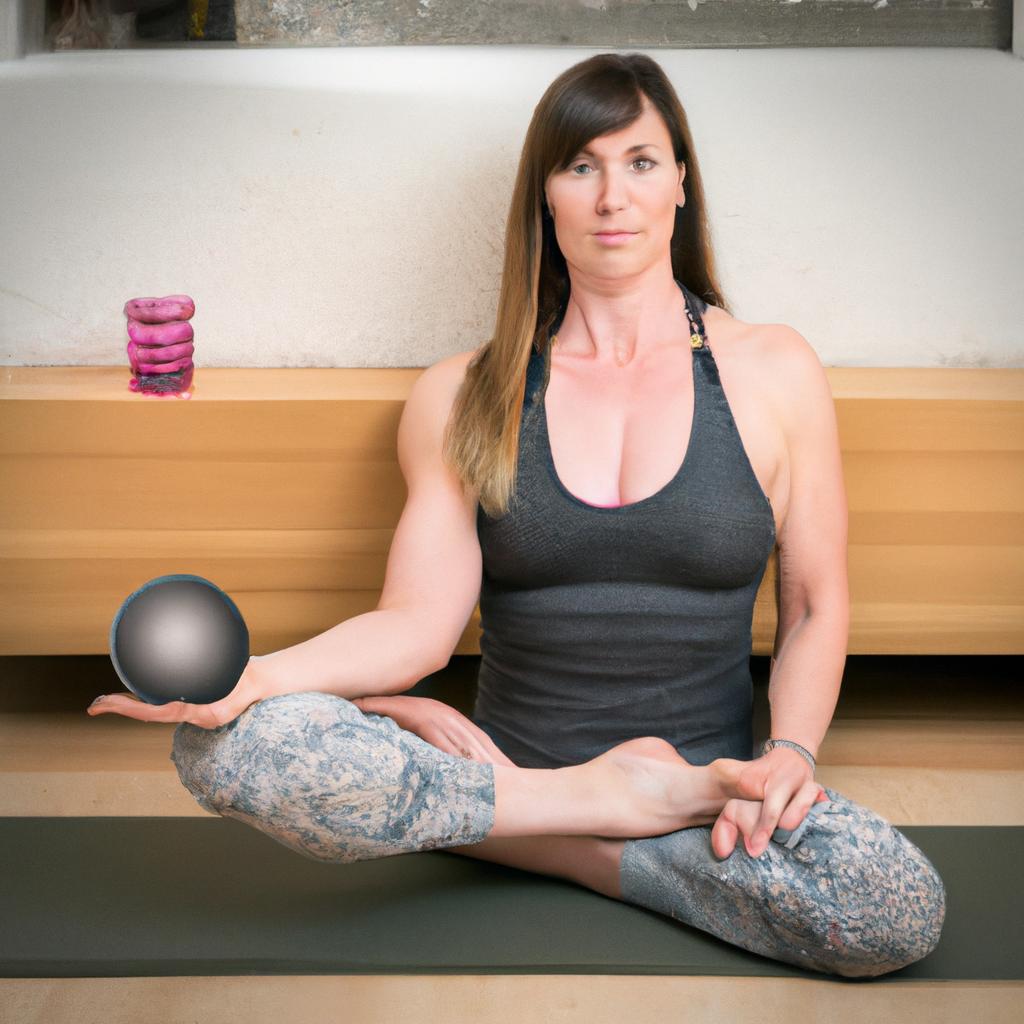
**”Mindfulness Meditation for Enhancing Athletic Recovery: Techniques to Cultivate Presence and Reduce Stress During Post-Workout Reflection”**
Mindfulness Meditation for Enhancing Athletic Recovery: Techniques to Cultivate Presence and Reduce Stress During Post-Workout Reflection
In the world of athletics, physical training is only one piece of the puzzle. Equally important is recovery, which can significantly impact overall performance and well-being. With the increasing recognition of mental health, mindfulness meditation has emerged as an effective tool for enhancing athletic recovery. By cultivating presence and reducing stress during post-workout reflection, athletes can optimize both their physical and mental recovery processes.
Understanding Mindfulness Meditation
What is Mindfulness?
Mindfulness is the practice of being fully present in the moment, paying attention to thoughts, feelings, and sensations without judgment. This practice encourages awareness of the current experience, allowing individuals to respond to situations with clarity rather than reactivity. Furthermore, mindfulness is not merely about relaxation; it’s about developing a deeper understanding of oneself.
How Does It Relate to Athletic Recovery?
For athletes, recovery is not just about physical rest but also involves mental recuperation. Engaging in mindfulness meditation during the recovery phase can help athletes process their training experiences, reduce stress, and cultivate a positive mindset. Consequently, this can lead to improved performance in future workouts or competitions.
Techniques for Mindfulness Meditation
Breathing Exercises
One of the simplest yet most effective mindfulness techniques is focused breathing. Athletes can begin by finding a comfortable seated position. Then, they should close their eyes and take deep, slow breaths—inhale through the nose and exhale through the mouth. Focusing on the breath can help center the mind and reduce anxiety. Moreover, incorporating this practice immediately after a workout can help transition from the high-energy state of training to a calmer, more reflective mindset.
Body Scan Meditation
Another effective technique is body scan meditation, which involves mentally scanning the body for areas of tension or discomfort. Athletes can lie down or sit comfortably, then slowly move their attention from their toes to the crown of their head. By acknowledging sensations without judgment, athletes can foster a greater connection with their bodies and identify areas that may require attention during recovery. In addition, this practice can help alleviate physical tension accumulated during intense workouts.
Guided Visualization
Guided visualization is a powerful tool for enhancing mental recovery. Athletes can visualize themselves performing at their best, overcoming challenges, or even simply relaxing in a serene environment. This technique not only promotes relaxation but also reinforces positive mental imagery, which can boost confidence and motivation in future training sessions. However, it is essential to ensure that the visualization aligns with personal goals and aspirations.
Nutrition Tips to Enhance Recovery
While mindfulness meditation plays a crucial role in mental recovery, nutrition is equally important. Athletes should focus on a balanced diet that supports their recovery efforts. Here are some nutrition tips:
1. **Hydration**: After intense workouts, it’s vital to rehydrate. Water is essential, but electrolytes can be beneficial as well. Therefore, athletes should consider electrolyte-rich drinks or foods.
2. **Protein Intake**: Consuming protein after workouts helps repair muscles. Foods like chicken, fish, legumes, or plant-based protein shakes can aid in muscle recovery.
3. **Antioxidants**: Incorporating foods rich in antioxidants, such as berries, nuts, and leafy greens, can reduce inflammation and enhance recovery.
4. **Complex Carbohydrates**: Carbs replenish glycogen stores. Whole grains, fruits, and vegetables are excellent sources that provide sustained energy.
The Health Benefits of Mindfulness Meditation
Engaging in mindfulness meditation offers numerous health benefits for athletes.
Stress Reduction
One of the most significant advantages is stress reduction. By practicing mindfulness, athletes can lower cortisol levels, which, if left unchecked, can hinder recovery and performance. Furthermore, reducing stress enhances overall mental health, leading to improved focus and motivation.
Improved Sleep Quality
Mindfulness meditation can also lead to better sleep quality. A well-rested athlete performs better and recovers more effectively. Consequently, incorporating mindfulness practices into the recovery routine can facilitate deeper, more restorative sleep.
Enhanced Focus and Concentration
Lastly, mindfulness meditation cultivates improved focus and concentration. Athletes who practice mindfulness can better manage distractions and maintain their attention during training and competitions. This heightened focus can be a game-changer in high-pressure situations.
Conclusion
Incorporating mindfulness meditation into post-workout routines offers athletes an invaluable tool for enhancing recovery. Through techniques such as breathing exercises, body scans, and guided visualization, athletes can cultivate presence and reduce stress effectively. Moreover, by complementing these practices with proper nutrition and hydration, they can support their physical recovery. As a result, not only do athletes become more resilient, but they also improve their overall performance. Therefore, embracing mindfulness meditation is a step toward achieving holistic athletic excellence.
FAQ
What is mindfulness and how does it benefit athletes?
Mindfulness is the practice of being fully present and aware of thoughts, feelings, and sensations without judgment. For athletes, it helps cultivate a deeper understanding of themselves and their experiences. By engaging in mindfulness practices, athletes can improve their mental recovery, reduce stress, and foster a positive mindset, which ultimately enhances their performance in future training and competitions.
What are some effective mindfulness meditation techniques for recovery?
Several effective mindfulness techniques can aid athletic recovery, including focused breathing exercises, body scan meditation, and guided visualization. Focused breathing helps center the mind and transition to a calmer state post-workout. Body scan meditation allows athletes to identify areas of tension in their bodies, fostering a better connection with their physical state. Guided visualization helps athletes mentally rehearse their performance and relax, boosting confidence and motivation.
How does mindfulness meditation impact stress and sleep quality?
Mindfulness meditation significantly reduces stress by lowering cortisol levels, which can hinder recovery if left unchecked. This reduction in stress enhances overall mental health, focus, and motivation. Additionally, incorporating mindfulness practices into recovery routines can lead to improved sleep quality, allowing athletes to recover more effectively and perform at their best.












Post Comment