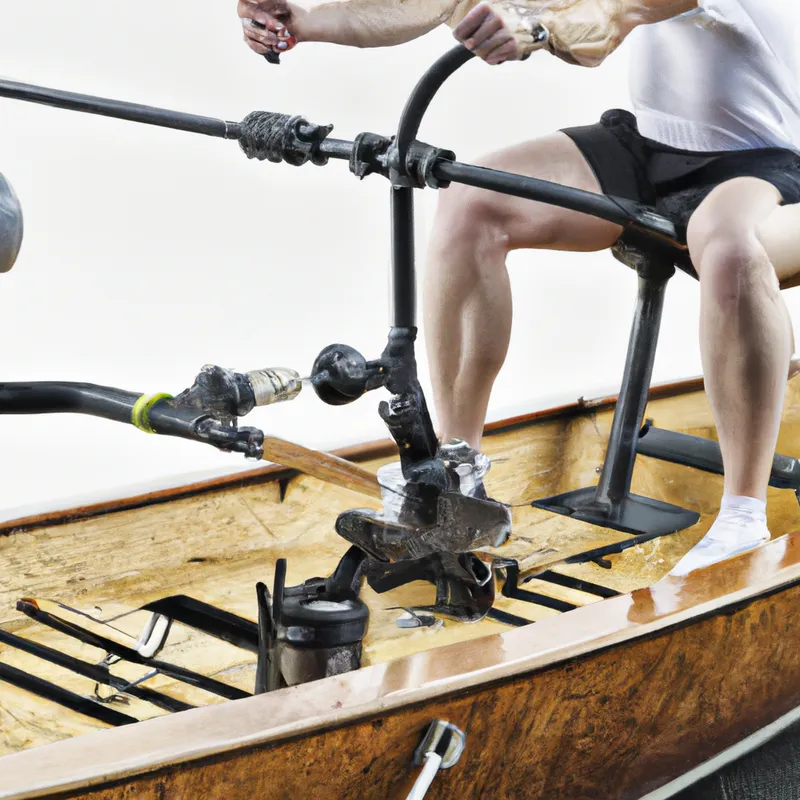
Maximize Your Fitness: Rowing’s Complete Benefits
Rowing as a Full-Body Workout: Muscles Targeted and Benefits
Rowing serves as an incredible full-body workout that combines strength, endurance, and coordination. You can enjoy rowing on the water or at the gym. This post explores the muscles engaged during rowing, its benefits, and tips to maximize your workout.
Muscles Targeted in Rowing
Rowing activates several major muscle groups, making it an efficient workout option. As you row, your legs, core, and arms engage for a comprehensive experience.
Legs and Glutes
Rowing begins with your legs. During the catch phase, you push off the footplate with your legs. This motion primarily engages your quadriceps, which extend your knees. Hamstrings assist during the drive, while glutes generate power. Strong legs allow for powerful and efficient strokes.
Core Muscles
Your core plays a vital role throughout rowing. As you pull the oar, your abdominals and obliques stabilize your body. A strong core maintains good posture and enhances rowing efficiency. Rotational movements also engage the transverse abdominis to stabilize your spine.
Upper Body
Rowing engages your upper body, targeting your arms, shoulders, and back. As you pull the oar towards your chest, your back muscles, including latissimus dorsi and rhomboids, engage significantly. Lats assist with pulling motions, while rhomboids retract the shoulder blades. Your biceps and forearms also contribute to overall strength and endurance.
Benefits of Rowing
Rowing provides numerous benefits beyond muscle engagement. Here are some key advantages of adding rowing to your fitness routine.
Cardiovascular Health
Rowing offers an excellent cardiovascular workout that boosts heart health. Its rhythmic nature increases your heart rate, promoting better circulation and endurance. Regular rowing improves aerobic capacity, essential for overall health and fitness.
Low Impact
Rowing features a low-impact nature. It places less stress on your joints compared to high-impact activities like running or jumping, making it suitable for many people.
Conclusion
Rowing offers a full-body workout that strengthens muscles while improving cardiovascular health. Incorporate rowing into your routine for maximum benefits.
Below are related products based on this post:
FAQ
What muscle groups are targeted during rowing?
Rowing targets several major muscle groups, including the legs (quadriceps, hamstrings, and glutes), core muscles (abdominals, obliques, and transverse abdominis), and upper body muscles (arms, shoulders, and back). This comprehensive engagement makes rowing an efficient workout option.
What are the cardiovascular benefits of rowing?
Rowing serves as an excellent cardiovascular workout, boosting heart health by increasing your heart rate and promoting better circulation. Regular rowing can improve your aerobic capacity, which is essential for overall health and fitness.
Is rowing a low-impact exercise?
Yes, rowing is considered a low-impact exercise. It places less stress on your joints compared to high-impact activities like running or jumping, making it suitable for a wide range of individuals, including those with joint concerns.














Post Comment