Maximize Training Results Using Altitude Chambers
The Use of Altitude Chambers in Sports Performance
Athletes seek innovative methods to enhance their performance. One intriguing advancement is the use of altitude chambers. These specialized environments simulate high-altitude conditions, compelling the body to adapt, boosting athletic performance. This post explores how altitude chambers work, their applications in sports training, practical tips for effective use, and the benefits they offer athletes.
Understanding Altitude Chambers
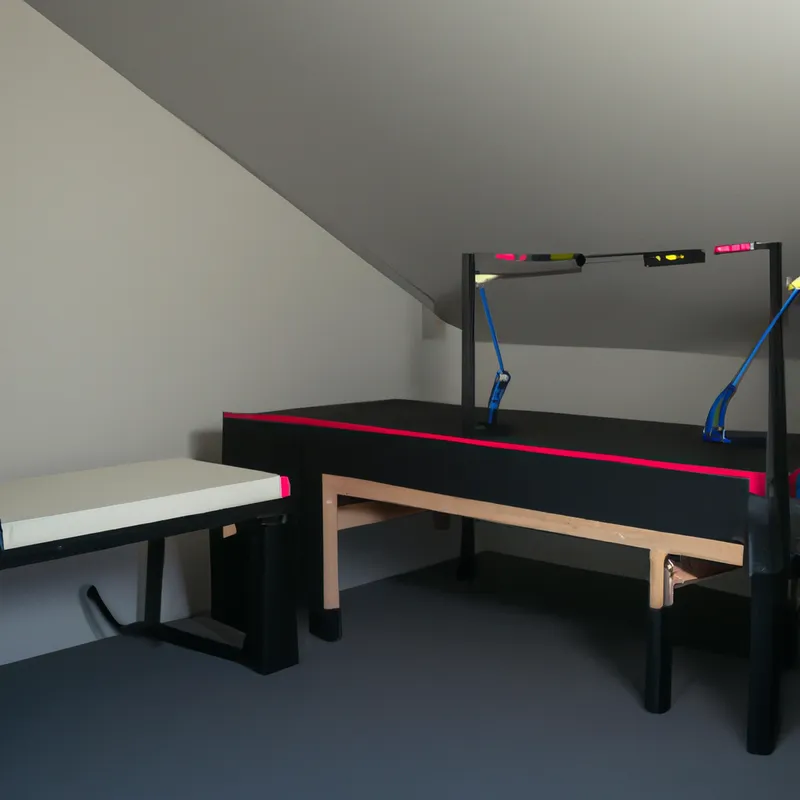
Altitude chambers create controlled environments that mimic low oxygen levels at high altitudes. These chambers typically simulate altitudes from 1,500 to 4,500 meters (5,000 to 15,000 feet). When athletes train in these chambers, they experience lower oxygen concentrations, triggering physiological adaptations in their bodies.
How Do Altitude Chambers Work?
When athletes train under low-oxygen conditions, their bodies increase red blood cell production, known as erythropoiesis. Red blood cells transport oxygen throughout the body. A higher concentration of these cells enables athletes to utilize oxygen more efficiently. This adaptation improves endurance, stamina, and overall performance during competitions.
Altitude training also stimulates hormone production, including erythropoietin (EPO), which plays a crucial role in red blood cell production. Consequently, athletes can perform at higher intensities for longer durations, providing a competitive edge.
Who Can Benefit from Altitude Chambers?
Altitude chambers can benefit many athletes, especially those in endurance sports like long-distance running, cycling, and cross-country skiing. Athletes in team sports like soccer, basketball, and rugby can also experience performance enhancements. Tailoring the altitude training experience to each athlete’s specific needs, sport, fitness level, and training goals is essential.
Tips for Using Altitude Chambers
Maximizing altitude chamber benefits requires careful planning and execution. Consider these practical tips:
1. **Start Slowly**: If you’re new to altitude training, ease into the process. Begin with shorter sessions to allow your body to acclimate. Gradually increase session durations, typically aiming for 30 to 90 minutes.
2. **Monitor Your Body**: Pay close attention to your body during and after altitude training sessions. Symptoms like fatigue, headaches, or dizziness may indicate overexertion. Listen to your body and adjust your training intensity or duration accordingly.
3. **Combine with Other Training**: Altitude training should complement your regular workout routine. Integrate different training modalities, such as strength training and skill drills, to maintain a well-rounded program.
Conclusion
Altitude chambers offer unique benefits for athletes. They enhance performance, improve endurance, and support physiological adaptations. By following practical tips, athletes can maximize their training in altitude chambers.
Below are related products based on this post:
FAQ
What are altitude chambers and how do they work?
Altitude chambers are controlled environments that simulate high-altitude conditions with low oxygen levels. They typically mimic altitudes from 1,500 to 4,500 meters (5,000 to 15,000 feet). When athletes train in these chambers, their bodies adapt by increasing red blood cell production, which enhances oxygen transport and improves endurance and overall performance.
Who can benefit from training in altitude chambers?
Altitude chambers can benefit a wide range of athletes, especially those involved in endurance sports like long-distance running, cycling, and cross-country skiing. They can also provide performance enhancements for athletes in team sports such as soccer, basketball, and rugby. Tailoring the training experience to each athlete’s specific needs is essential for maximizing benefits.
What are some practical tips for using altitude chambers effectively?
To maximize the benefits of altitude training, athletes should start slowly by easing into longer sessions, typically ranging from 30 to 90 minutes. It’s important to monitor the body for any signs of overexertion, such as fatigue or dizziness, and to adjust training intensity or duration accordingly. Additionally, altitude training should be combined with other training modalities to create a well-rounded fitness program.












Post Comment