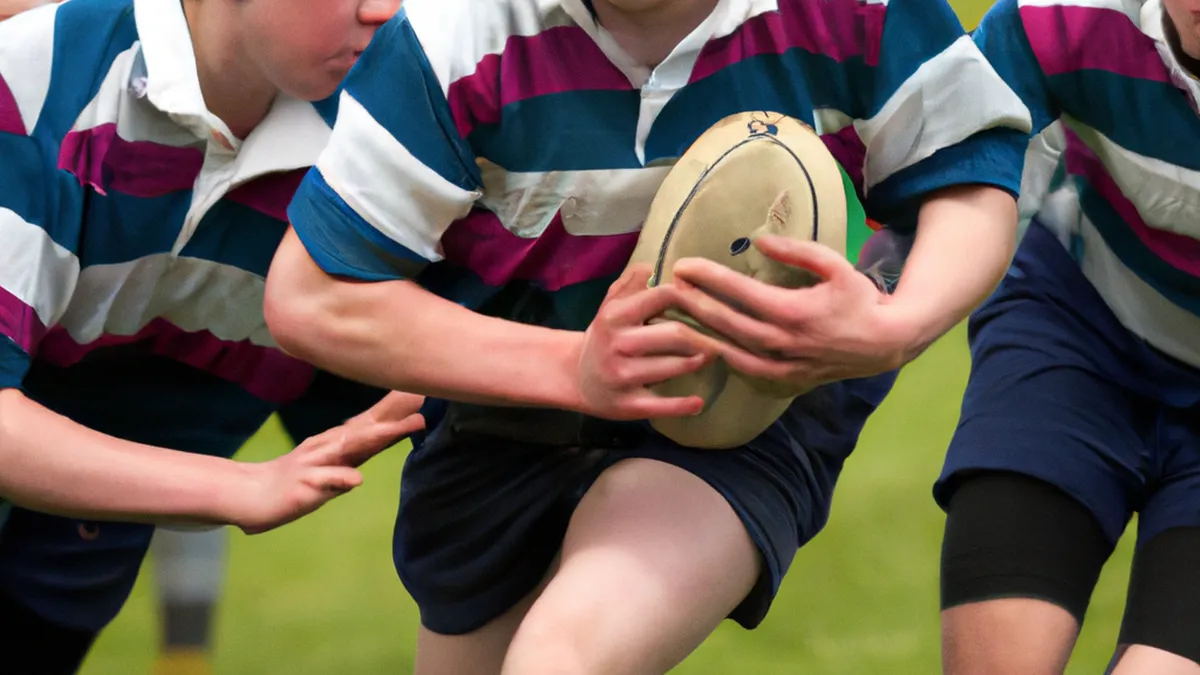
Mastering Agility Drills for Teens (Rugby)
Age-Specific Training Drills: Tailoring Your ApproachMatch training drills to the age and developmental stage of athletes. Children, teens, and adults possess different physical and mental capacities. Use age-specific training drills to ensure effective learning and skill development. This blog post offers tips to enhance performance.
Understanding Developmental Stages
Athletes progress through various physical and mental development stages. Understanding these stages helps create effective training plans for each age group.
Children (Ages 5-12)
Focus on developing basic skills through fun activities. Children learn best through play, so incorporate games that enhance coordination, balance, and agility. For example, obstacle courses can improve motor skills while keeping training enjoyable.Keep drills simple and short. Children have shorter attention spans, so maintain quick, engaging activities. Use colorful equipment like cones, balls, and hoops to capture their interest. Foster teamwork and communication through group activities to build social skills.
Teens (Ages 13-18)
Teens undergo rapid physical growth and body changes. Focus on building strength, endurance, and sport-specific skills. As teens become more serious about sports, structure training to become goal-oriented.Introduce interval training to boost cardiovascular fitness. Incorporate sprints, agility drills, and plyometric exercises to enhance explosiveness and speed. Emphasize proper technique in all drills to prevent injuries. Provide constructive feedback to refine skills and boost confidence.Mental preparation also becomes essential. Introduce visualization techniques and mindfulness exercises to help teens develop focus and confidence in high-pressure situations. These mental tools can equal physical skills in competitive environments.
Adults (Ages 19 and Up)
Adults often have established skills and experience in their sports. However, they still need age-specific training to maintain performance and avoid injuries. Adults may also pursue different fitness goals, such as improving health, losing weight, or preparing for competitions.Incorporate strength training, flexibility, and mobility drills into adult training programs. These components enhance overall fitness and reduce injury risk, especially with aging. Use complex drills to challenge coordination, agility, and decision-making for high performance.Recovery plays a critical role in adult training. Include active recovery sessions like yoga or light aerobic activities to promote healing and prevent burnout. This approach allows adults to maintain high training loads without overstraining.
Tips for Effective Age-Specific Training
As an Amazon Associate I earn from qualifying purchases.
Gear tip: consider cones, rugby ball, and headgear scrum cap to support this topic.
1. **Assess Skill Levels**: Assess each athlete’s current skill level before starting drills. This assessment tailors drills effectively.
Conclusion
Tailoring training drills to age-specific needs enhances learning and performance across all athlete age groups.
Below are related products based on this post:
FAQ
Why is it important to tailor training drills to specific age groups?
Tailoring training drills to specific age groups is important because children, teens, and adults have different physical and mental capacities. Understanding these differences helps create effective training plans that enhance learning and skill development for each age group.
What types of activities work best for children aged 5-12?
For children aged 5-12, activities that focus on developing basic skills through fun and engaging games are most effective. Incorporating obstacle courses and colorful equipment can enhance their coordination, balance, and agility while keeping training enjoyable.
How can training for teens differ from training for adults?
Training for teens should focus on building strength, endurance, and sport-specific skills, while also incorporating mental preparation techniques. In contrast, adult training often emphasizes maintaining performance, injury prevention, and achieving personal fitness goals, which may include more complex drills and recovery strategies.
Part of the Complete Strength Training Guide
Explore more: Complete Strength Training Guide














Post Comment