Master Squat Variations for Optimal Gains
An In-Depth Look at the Squat: Variations and Their Benefits
Squats reign as the king of exercises. They mimic daily activities and benefit everyone. Athletes and fitness enthusiasts can elevate their training by mastering squats. This post explores squat variations, their benefits, and tips for effective incorporation.
Understanding the Basics of Squats
Let’s establish the basic squat before diving into variations. This movement involves bending at the knees and hips while keeping the chest up. Keep your feet flat on the ground. Good form prevents injuries and maximizes effectiveness.
To perform a basic squat:
1. **Stand with your feet shoulder-width apart.** Point your toes slightly outward.
2. **Engage your core** to stabilize your spine and maintain an upright posture.
3. **Lower your body** as if sitting back into a chair. Push your hips back while bending your knees.
4. **Ensure your knees track over your toes** without extending beyond them.
5. **Push through your heels** to return to standing, fully engaging your glutes at the top.
Correct squats engage multiple muscle groups, including quadriceps, hamstrings, and glutes. They effectively build strength and endurance.
Popular Squat Variations
Bodyweight Squat
The bodyweight squat is the simplest variation. It requires no equipment, making it accessible to everyone. This squat builds a solid foundation for beginners before progressing to weighted variations. Bodyweight squats improve lower body strength and offer flexibility in performance locations.
Goblet Squat
For a goblet squat, hold a dumbbell or kettlebell close to your chest with both hands. This variation enhances core stability and challenges balance. Keeping the weight close to your center allows deeper squats with proper form. The goblet squat improves posture and engages the upper body.
Barbell Back Squat
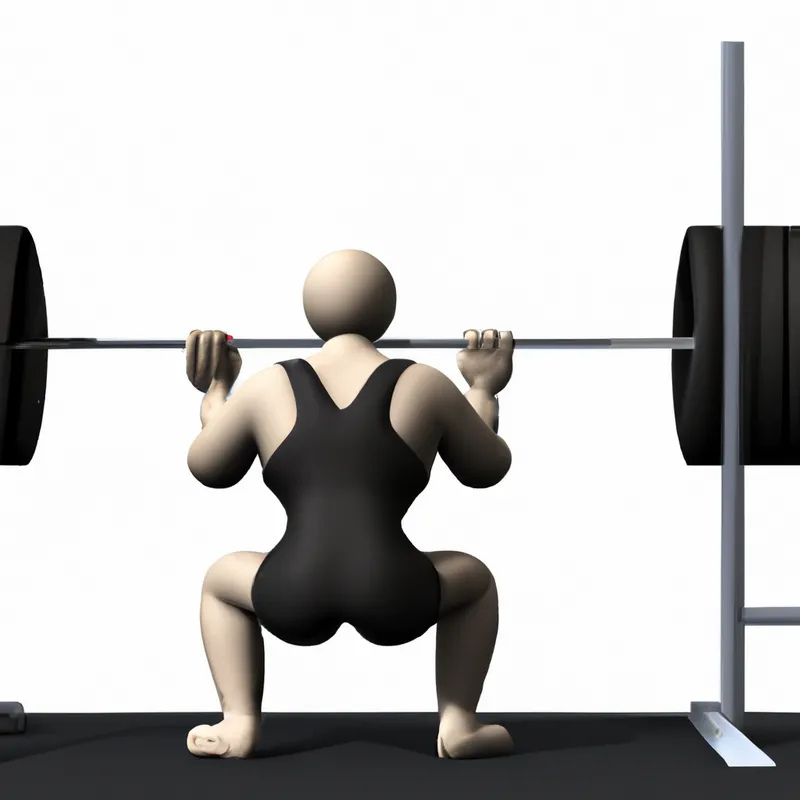
The barbell back squat serves as a staple in weightlifting and strength training. Place a barbell across your upper back, resting it on your trapezius muscles. This variation increases resistance and enhances lower body strength. The barbell back squat activates your core, stabilizing your torso throughout the movement.
Sumo Squat
The sumo squat features a wider stance with toes pointed outward. This variation targets inner thighs and glutes more than traditional squats. It enhances hip flexibility while building strength. Perform sumo squats with body weight or added resistance.
Conclusion
In summary, squats offer various benefits through different variations. Incorporate them into your training for optimal results.
Below are related products based on this post:
FAQ
What are the basic steps to perform a proper squat?
To perform a basic squat, stand with your feet shoulder-width apart and point your toes slightly outward. Engage your core to stabilize your spine, then lower your body as if sitting back into a chair, ensuring your knees track over your toes. Push through your heels to stand back up, fully engaging your glutes at the top.
What are the benefits of incorporating squat variations into my workout?
Incorporating squat variations into your workout can enhance strength, balance, and flexibility. Each variation targets different muscle groups and challenges your body in unique ways, helping to improve overall fitness and performance in everyday activities and athletic pursuits.
Can beginners perform squat variations, and if so, which should they start with?
Yes, beginners can perform squat variations. It is recommended to start with the bodyweight squat, as it requires no equipment and builds a solid foundation. Once comfortable, beginners can progress to other variations like goblet squats or sumo squats to further enhance their strength and form.














Post Comment