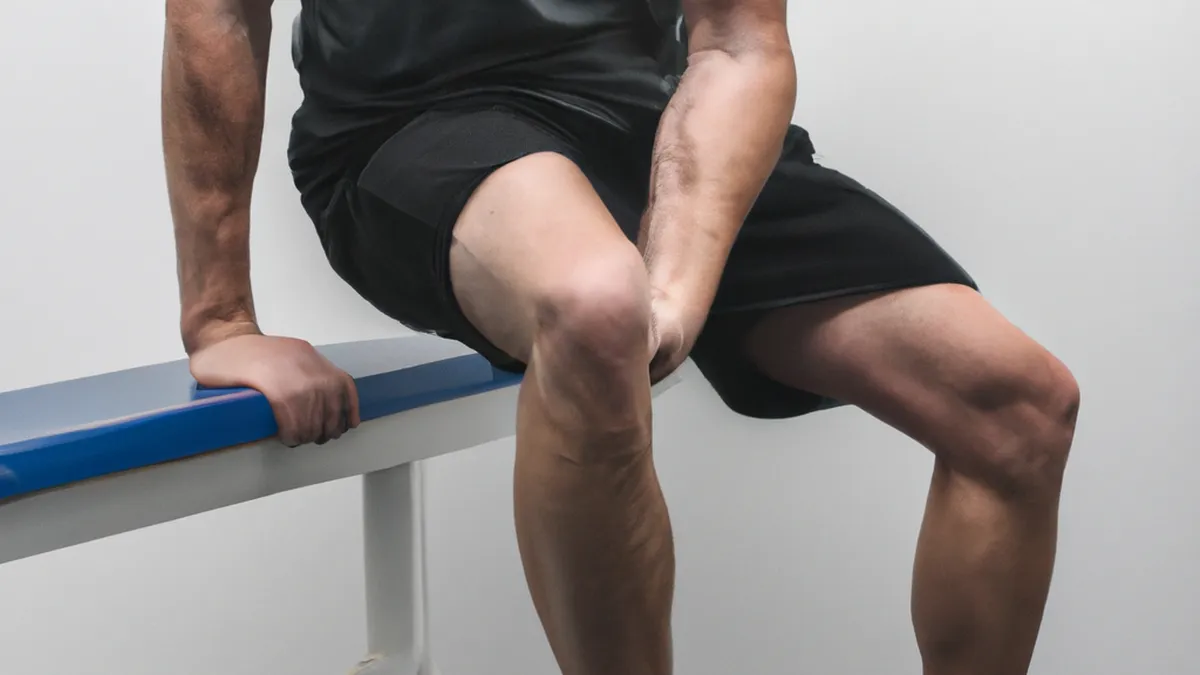
Localize Strength Training for Knee Resilience
Neuromuscular Training for Knee HealthKnee health is vital for an active lifestyle. People often ignore knee strength and stability until injuries happen. Neuromuscular training can prevent injuries and improve knee function. This blog post explores techniques to enhance knee health through neuromuscular training.
Understanding Neuromuscular Training
Neuromuscular training improves communication between the nervous system and muscles. This training enhances balance, coordination, and strength while stabilizing the knee joint. Individuals who engage in this training often avoid common knee injuries.
What Are the Components?
Neuromuscular training includes key components like strength training, balance exercises, and agility drills. Each element plays a crucial role in knee health. Combined, they create a comprehensive approach to enhancing knee function.
Who Should Practice It?
Everyone can benefit from neuromuscular training. Athletes in high-impact sports should prioritize this training. Older adults can enhance stability and reduce fall risks. Individuals recovering from knee injuries can use these techniques for rehabilitation.
Tips for Effective Neuromuscular Training
As an Amazon Associate I earn from qualifying purchases.
Gear tip: consider knee brace, ankle brace, and patellar strap to support this topic.
To maximize neuromuscular training benefits, consider these tips.
1. Incorporate Balance Exercises
Balance exercises are essential for knee health. They improve proprioception, or your body’s ability to sense its position. Activities like standing on one leg or using a balance board can be effective. Start with 30 seconds on each leg, and gradually increase the time. Transition to complex movements as your balance improves.
2. Focus on Strength Training
Strength training builds muscles around the knee joint. Strong muscles stabilize the knee and reduce injury risk. Exercises like squats, lunges, and leg presses are excellent choices. Use body weight or light weights to begin. Aim for two to three sessions per week.
3. Add Agility Drills
Agility drills enhance coordination and quickness. These skills prevent falls and maintain knee health. Ladder drills and cone drills can improve agility. Start slow, then gradually increase speed and complexity. Consistent practice yields significant improvements.
Advice for Implementation
Incorporating neuromuscular training into your routine requires planning.
Start Slowly
If you’re new to neuromuscular training, start slowly. Begin with one or two sessions per week. Gradually increase frequency as you become comfortable. This approach prevents overuse injuries and allows for proper adaptation.
Listen to Your Body
Pay attention to your body during training. If you feel pain or discomfort, stop the exercise. Consult a professional if pain persists. Training should challenge you but not cause injury.
Seek Professional Guidance
Work with a certified trainer or physical therapist. They can create a personalized program tailored to your needs. A professional ensures proper form and technique. This guidance minimizes injury risk and maximizes training effectiveness.
Benefits of Neuromuscular Training
Engaging in neuromuscular training offers numerous benefits for knee health.
Improved Stability
Neuromuscular training enhances joint stability. This stability prevents injuries during physical activities. Stronger muscles provide better knee support. As a result, you can enjoy a more active lifestyle without fear of injury.
Enhanced Performance
For athletes, neuromuscular training improves performance. Better balance and coordination lead to improved agility in sports. This training enhances your ability to change directions quickly. Consequently, it reduces the likelihood of injuries.
Injury Prevention
The most significant benefit of neuromuscular training is injury prevention. Strengthening muscles around the knee reduces the risk of strains and sprains. Improved proprioception helps you avoid falls. This proactive approach to knee health is essential for everyone, regardless of activity level.
Conclusion
Neuromuscular training is crucial for maintaining knee health. Focus on strength, balance, and agility to enhance knee stability and function. Start with simple exercises and progressively increase difficulty. Remember to listen to your body and seek guidance when needed. Investing in neuromuscular training leads to a healthier, more active lifestyle. Take the first step today to prioritize your knee health.
Below are related products based on this post:
FAQ
What is neuromuscular training?
Neuromuscular training improves communication between the nervous system and muscles, enhancing balance, coordination, and strength. This training stabilizes the knee joint and helps individuals avoid common knee injuries.
Who can benefit from neuromuscular training?
Everyone can benefit from neuromuscular training, especially athletes in high-impact sports, older adults looking to enhance stability, and individuals recovering from knee injuries. It is a versatile approach that can improve knee health for various populations.
What are some effective tips for neuromuscular training?
To maximize benefits, incorporate balance exercises, focus on strength training, and add agility drills to your routine. Start slowly, listen to your body, and consider seeking professional guidance to ensure proper technique and minimize injury risk.













Post Comment