Iron Supplements: When and Why to Consider
Iron Needs for Female AthletesAthletes need a balanced diet to support performance and health. Iron is crucial for female athletes who face specific challenges in meeting their iron needs. Understanding these challenges and managing iron intake can enhance athletic performance and overall health.
The Importance of Iron
Iron supports several bodily functions, especially oxygen transport in the blood. It forms hemoglobin, which carries oxygen from the lungs to muscles and tissues. Adequate iron levels allow the body to perform optimally during intense activities. Low iron can cause fatigue, reduced endurance, and poor athletic performance. Female athletes are especially vulnerable to iron deficiency due to menstruation, dietary habits, and higher energy demands.
Menstrual Cycle Impacts
Menstruation significantly increases female athletes’ risk of iron deficiency. Monthly blood loss results in iron loss. This blood loss, combined with physical exertion, can lead to iron deficiency. Studies show that low iron levels can cause fatigue and decreased performance in female athletes. Monitoring and managing iron intake is essential.
Dietary Sources of Iron
Iron comes in two forms: heme and non-heme. Heme iron, found in red meat, poultry, and fish, absorbs more efficiently. Non-heme iron exists in plant sources like beans, lentils, tofu, spinach, and fortified cereals. Both types are important, but athletes should prioritize heme iron for better absorption.Female athletes should include a variety of heme and non-heme iron sources in their meals. This approach helps ensure sufficient iron intake and benefits from other nutrients.
Tips for Increasing Iron Intake
As an Amazon Associate I earn from qualifying purchases.
Gear tip: consider compression sleeves, compression socks, and percussive massager to support this topic.
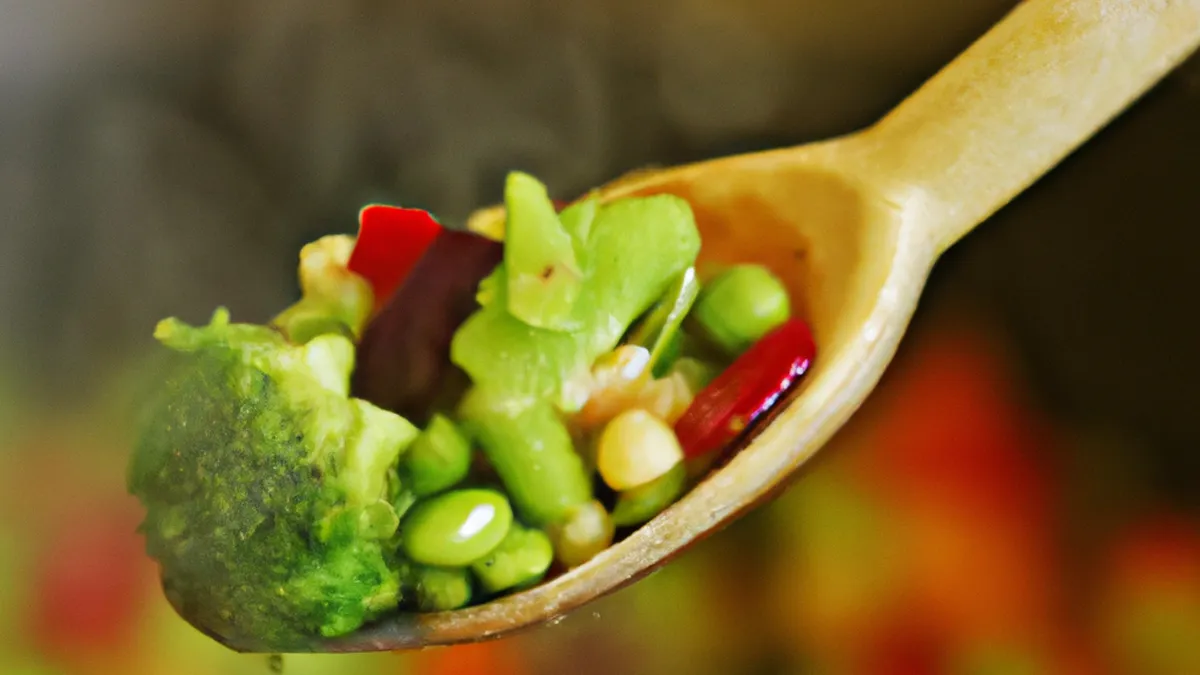
1. **Choose Iron-Rich Foods**: Regularly include heme iron sources like lean red meat, chicken, turkey, and fish in your meals. For vegetarians or vegans, add legumes, nuts, seeds, and fortified cereals.2. **Pair Iron with Vitamin C**: Vitamin C boosts the absorption of non-heme iron. Include vitamin C-rich foods like oranges, strawberries, kiwi, bell peppers, and broccoli with iron-rich meals.3. **Limit Calcium with Iron Sources**: Calcium can hinder non-heme iron absorption.
Conclusion
Female athletes must prioritize iron intake to optimize performance and health. They should manage their diet carefully to meet their unique needs.
Below are related products based on this post:
FAQ
Why is iron important for female athletes?
Iron is crucial for female athletes as it supports oxygen transport in the blood through hemoglobin. Adequate iron levels are essential for optimal performance, while low iron can lead to fatigue and decreased endurance.
How does the menstrual cycle affect iron levels in female athletes?
The menstrual cycle increases the risk of iron deficiency in female athletes due to monthly blood loss. This loss, combined with physical exertion, can significantly impact their iron levels and overall performance.
What are some effective ways to increase iron intake?
To increase iron intake, athletes should regularly consume heme iron sources like lean meats and fish, and pair non-heme iron sources with vitamin C-rich foods to enhance absorption. It’s also advisable to limit calcium intake when consuming iron-rich foods to improve absorption efficiency.
Part of the Complete Strength Training Guide
Explore more: Sports Nutrition & Supplementation











Post Comment