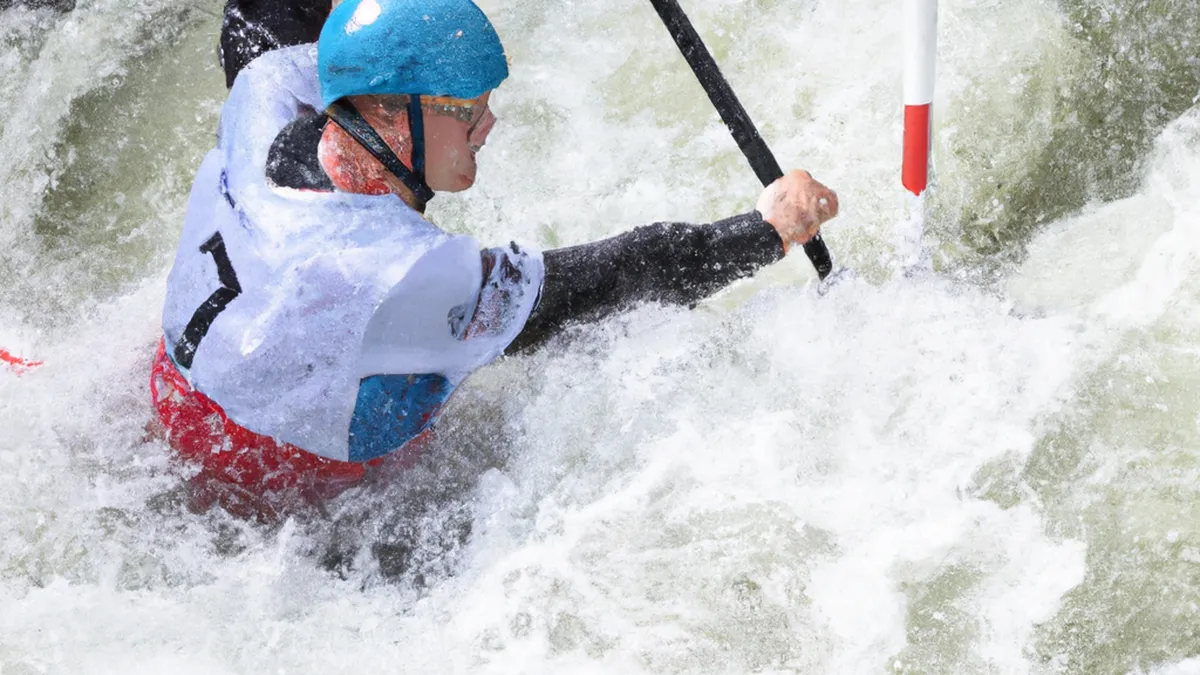
Improve Your Stroke with Targeted Flexibility
Flexibility Exercises for PaddlersPaddling combines strength, endurance, and technique. Many paddlers focus on upper body strength and cardiovascular fitness, but flexibility matters too. Enhanced flexibility improves your range of motion, prevents injuries, and boosts performance. This blog post explores essential flexibility exercises for paddlers. You will find tips and benefits of these exercises for your training.
Importance of Flexibility for Paddlers
Flexibility plays a crucial role in paddling. Paddling involves repetitive movements that require a wide range of motion, especially in shoulders, back, and hips. Flexible muscles and joints withstand these movements and reduce injury risk. Improved flexibility enhances stroke efficiency, allowing longer paddling without fatigue.Flexibility training also promotes faster recovery after intense sessions. It alleviates muscle soreness and tightness, preparing you for your next water adventure. Thus, integrating flexibility exercises into your routine benefits novice and experienced paddlers alike.
Essential Flexibility Exercises
As an Amazon Associate I earn from qualifying purchases.
Gear tip: consider compression sleeves, compression socks, and percussive massager to support this topic.
1. Torso Twists
Torso twists enhance spinal flexibility, critical for effective paddling. This exercise mimics the rotational movements during paddling.**How to Perform:**1. Stand with feet shoulder-width apart.2. Keep arms relaxed at your sides.3. Slowly twist your torso to the right while keeping hips forward.4. Hold the twist for five seconds, then return to center.5. Repeat on the left side.Aim for three sets of 10 twists per side. This exercise prepares your body for paddling’s rotational movements and promotes better stroke mechanics.
2. Shoulder Stretch
Paddlers rely on shoulder mobility, and tight shoulders hinder performance. Shoulder stretches alleviate tension and improve flexibility.**How to Perform:**1. Stand or sit with a straight back.2. Extend your right arm across your body at shoulder height.3. Use your left arm to gently pull your right arm closer to your chest.4. Hold for 20-30 seconds, feeling the stretch in your shoulder.5. Switch arms and repeat.Perform this stretch two to three times on each side. This exercise enhances shoulder flexibility and helps maintain healthy shoulders, reducing injury risk.
3. Hip Flexor Stretch
Tight hip flexors limit your paddling efficiency. A hip flexor stretch counters the effects of prolonged sitting and improves hip mobility.**How to Perform:**1. Kneel on your left knee, with your right foot in front, forming a 90-degree angle.2. Gently push your hips forward while keeping your back straight.
Conclusion
Incorporate flexibility exercises into your routine for improved performance and injury prevention while paddling. Your body will thank you!
Below are related products based on this post:
FAQ
Why is flexibility important for paddlers?
Flexibility is crucial for paddlers as it enhances the range of motion in the shoulders, back, and hips. This improvement helps withstand repetitive paddling movements, reduces the risk of injuries, and boosts stroke efficiency, allowing for longer paddling sessions without fatigue.
What are some essential flexibility exercises for paddlers?
Essential flexibility exercises for paddlers include torso twists, shoulder stretches, and hip flexor stretches. These exercises target key muscle groups involved in paddling, helping to improve flexibility, mobility, and overall performance.
How often should paddlers perform flexibility exercises?
Paddlers should incorporate flexibility exercises into their routine regularly, ideally two to three times a week. Consistent practice will help alleviate muscle tightness, promote faster recovery, and enhance overall paddling performance.














Post Comment