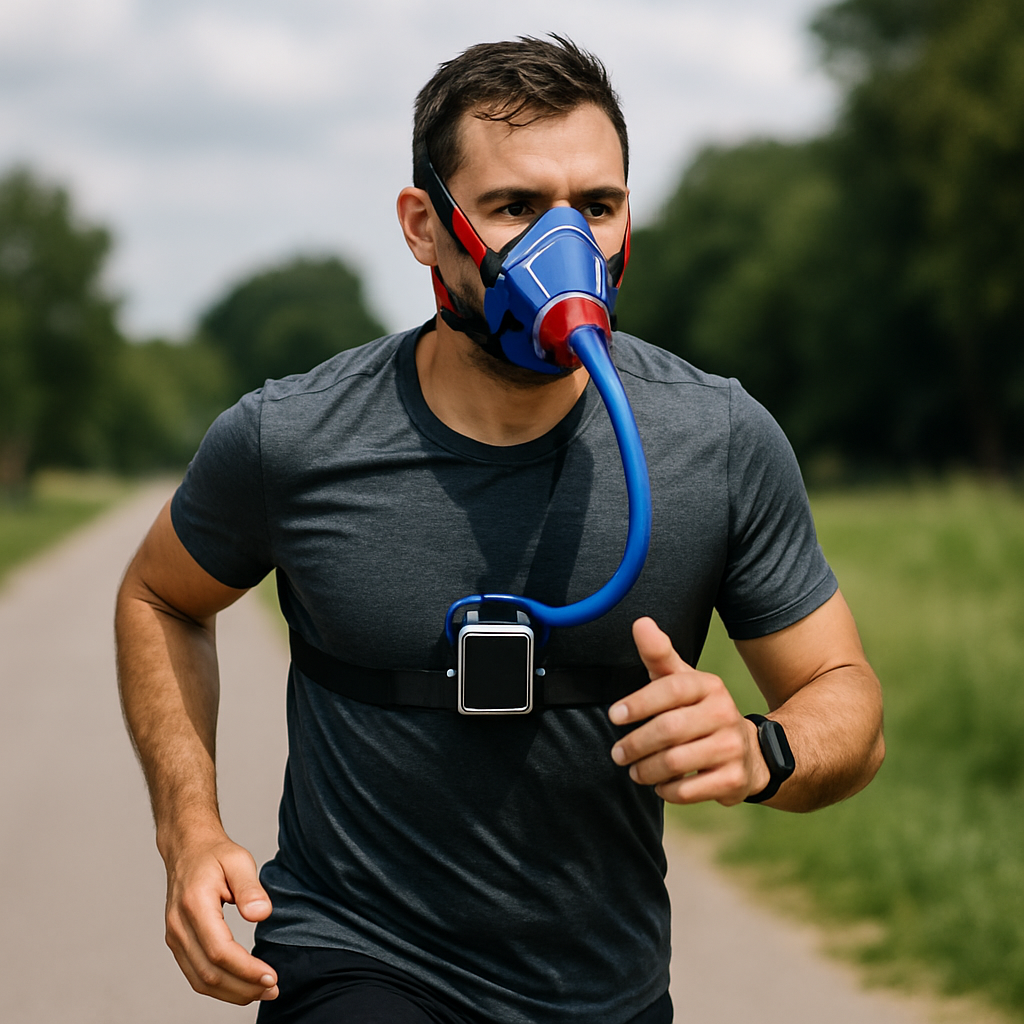
How to Improve Your VO2 Max: The Practical Runner’s Guide to Raising Your Aerobic Ceiling
Quick Summary
- VO2 max is the maximal rate your body uses oxygen during intense exercise — a key predictor of endurance performance but not the whole story.
- Genetics set a baseline, but structured training (intervals at or near VO2 max, tempo work, strength training) plus recovery and good cardiovascular health can raise it.
- Measure with lab tests when possible; field tests and wearables give useful estimates. Track progress with consistent testing every 6–12 weeks.
Introduction
VO2 max gets a lot of attention because it represents an athlete’s aerobic ceiling — the highest volume of oxygen your body can use during maximal effort. For runners, cyclists and other endurance athletes, raising VO2 max can translate into faster race times and better sustained performance. But VO2 max is only one piece of the puzzle: running economy, lactate threshold and race strategy matter too. This guide explains what VO2 max is, what affects it, how to measure it, and practical, science-based steps to improve it safely.
What Is VO2 Max and Why It Matters
VO2 max (maximal oxygen uptake) is measured in milliliters of oxygen per kilogram of bodyweight per minute (ml·kg−1·min−1). It reflects how well your heart, lungs and muscles can deliver and use oxygen during intense exercise. Higher VO2 max typically means you can sustain faster paces for longer. However, two athletes with the same VO2 max can perform differently because of factors like running economy and lactate threshold.
Key factors that influence VO2 max
- Genetics — sets baseline and potential for improvement.
- Age and sex — peak typically in 20s–30s, then gradually decline; men generally show higher absolute values largely due to body composition and hemoglobin differences.
- Training history — endurance training increases cardiac output and capillary density.
- Body composition — excess body fat lowers ml·kg−1·min−1 values.
- Cardiovascular and metabolic health — conditions and diet affect oxygen transport and use.
How to Measure VO2 Max
Accurate measurement requires a graded exercise test with gas analysis in a lab. That’s the gold standard if you want precise baseline and tracking. If a lab test isn’t available, use these practical alternatives:
Field tests
- Cooper 12-minute run — distance covered translates to an estimated VO2 max.
- 1.5-mile run test — time to complete provides an estimate.
- Lactate threshold and critical speed tests — indirect measures that help gauge aerobic capacity.
Wearables and apps
Many GPS watches and fitness platforms estimate VO2 max from heart rate and pace data. Use these for trend tracking rather than absolute accuracy. Re-test consistently under similar conditions every 6–12 weeks.
Training Strategies That Raise VO2 Max
To increase VO2 max you need to stress the systems that deliver and use oxygen — primarily the heart (stroke volume and cardiac output), blood (oxygen carrying capacity) and skeletal muscle (capillaries and mitochondria). The most effective sessions are structured, repeatable, and include adequate recovery.
1. Intervals at VO2 max intensity
These are the most potent stimulus. Classic sessions: 3–6 repeats of 3–5 minutes at roughly 95–100% of your VO2 max pace (hard but sustainable for the interval), with equal or slightly shorter easy recoveries. Total time at high intensity per session: 12–20 minutes.
2. Threshold/tempo runs
Tempo runs (20–40 minutes at steady hard effort just below lactate threshold) improve the ability to hold a high percentage of VO2 max and support recovery between intervals.
3. High-intensity sprint work
Shorter, all-out repeats (30–60 seconds) improve neuromuscular power and recruitment of fast fibers, supporting overall speed which can complement aerobic gains when combined with intervals.
4. Strength and plyometrics
Two sessions per week of strength training (squats, deadlifts, single-leg work, core) improves running economy and helps you translate VO2 max into faster times. Plyometrics supports elastic power in the stride.
5. Volume, recovery and periodization
Weekly mileage and quality sessions must be balanced with recovery. Build intensity in 3–4 week blocks followed by an easier week. Avoid piling intensity without adequate aerobic base and rest.
Sample 8-Week Block for VO2 Max Improvement (intermediate runner)
Weeks 1–3: Two quality sessions per week (one VO2 max interval, one tempo), plus an easy long run and strength work. Week 4: recovery week with reduced volume and intensity. Weeks 5–7: raise interval volume or intensity slightly. Week 8: test (Cooper or lab if available).
Practical Steps and Checklist
Follow these step-by-step actions to improve VO2 max safely and consistently.
Practical steps
- Get a baseline: lab test or a field test such as Cooper or 1.5-mile.
- Plan training blocks: 8–12 weeks with progressive overload and built-in recovery.
- Do 1–2 VO2 max interval sessions per week, plus a tempo and long run.
- Add two strength sessions weekly focused on lower-body and core.
- Prioritize sleep, hydration and a heart-healthy diet — avoid excessive ultra-processed foods and focus on whole foods to support cardiovascular health and recovery (see research on ultra-processed foods and heart risk).
- Re-test every 6–12 weeks and adjust training based on results and fatigue.
- Seek medical clearance if you have cardiovascular risk factors or new symptoms.
Checklist for each interval session
- Proper dynamic warm-up (10–20 minutes) with strides.
- Clear interval structure recorded (e.g., 5×4 minutes @ VO2 max pace, 3 minutes easy recovery).
- Monitor effort by heart rate and perceived exertion; finish intervals feeling hard but controlled.
- Cooldown and mobility post-session; refuel with carbs + protein within 30–60 minutes.
- Log how you feel and any unusual symptoms; rest if you have chest pain, dizziness or abnormal palpitations and consult a physician.
Common Mistakes
- Doing too many all-out sessions: High-intensity work needs recovery; too much leads to overtraining and lost gains.
- Neglecting base aerobic volume: Intervals build speed but require an aerobic foundation to be effective.
- Not measuring progress consistently: Without repeat tests you can’t tell if training is working.
- Relying blindly on wearable estimates: Use trends, not single numbers; lab tests are more reliable.
- Ignoring non-training factors: poor sleep, stress, unhealthy diet and smoking blunt improvements.
When to See a Doctor
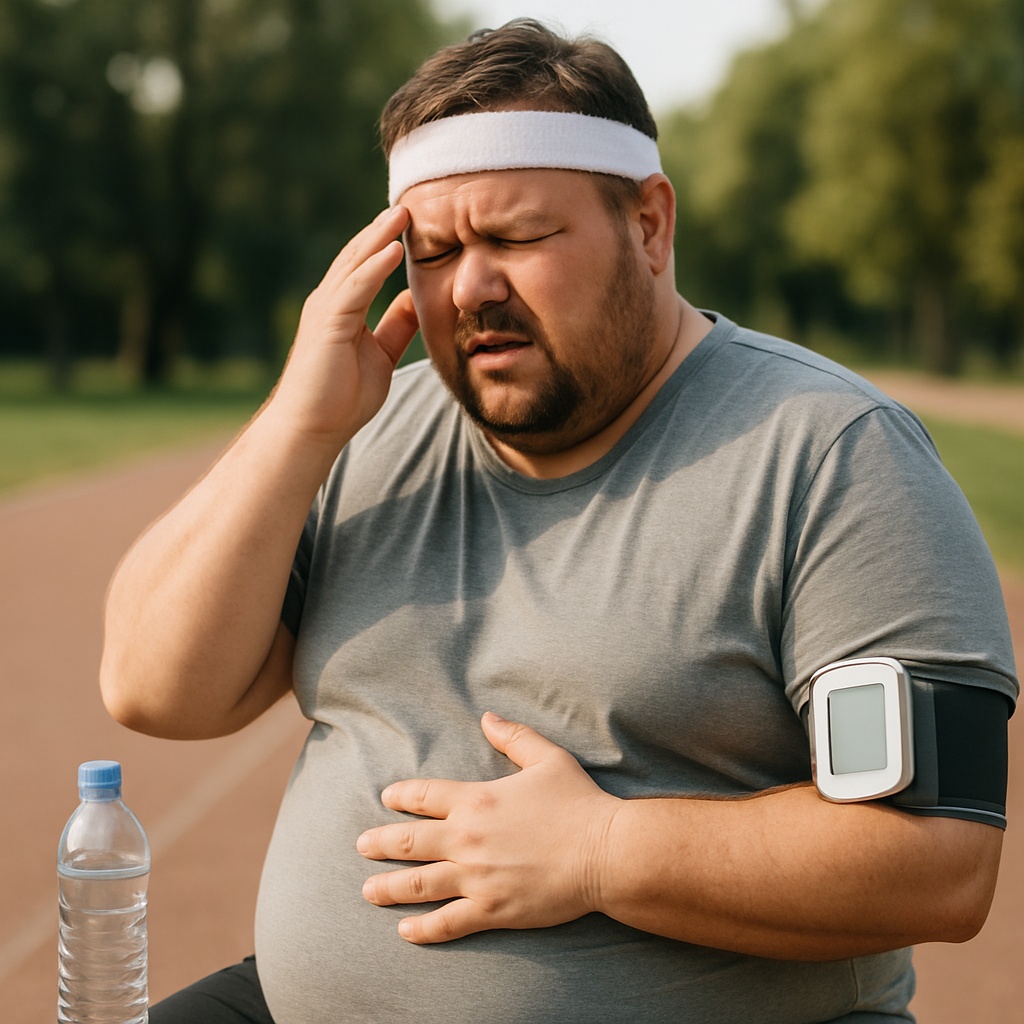
If you’re older, have a history of heart disease, high blood pressure, diabetes, or experience chest pain, fainting, severe shortness of breath, or irregular heartbeats with exercise, stop training and seek medical advice before continuing. A physician can clear you for intense training and, if appropriate, refer you for a supervised exercise test.
Conclusion
VO2 max is a powerful concept for runners because it defines the upper limit of aerobic capacity. Although genetics play a role, most athletes can raise their VO2 max with targeted interval training, appropriate volume, strength work and attention to recovery and cardiovascular health. Use lab tests or consistent field tests to track progress, avoid common training mistakes, and remember that VO2 max is one of several factors that determine race performance. If you have health concerns or are new to high-intensity training, consult a healthcare or sports professional to build a safe, effective plan.
FAQ
1. What is a good VO2 max for runners?
“Good” depends on age, sex and experience. Competitive male endurance athletes often score above 60 ml·kg−1·min−1; top female athletes often score above 50. Recreational runners typically range lower. Focus on improvement relative to your baseline rather than fixed numbers.
2. Can VO2 max be increased at any age?
Yes, most people can improve aerobic capacity through structured training at any adult age, though the rate of improvement and ceiling vary. Gains are typically smaller and slower as you age, so prioritize recovery and gradual progression.
3. How long before I see improvements?
Measurable changes can appear in 6–12 weeks with consistent, appropriate training. Small improvements may show sooner in beginners; experienced athletes need more targeted load and longer blocks for gains.
4. Is VO2 max the only thing I should train?
No. VO2 max is important, but running economy, lactate threshold, strength, and race-specific training are all crucial. Balance your program to address multiple performance factors.
5. Can I safely test VO2 max on my own?
You can estimate VO2 max with field tests and track trends using wearables, but maximal lab tests carry risks for people with cardiovascular issues. If in doubt, consult a physician before attempting maximal efforts.
Part of the Complete Strength Training Guide
Explore more: Endurance & Running Training Hub












4 comments