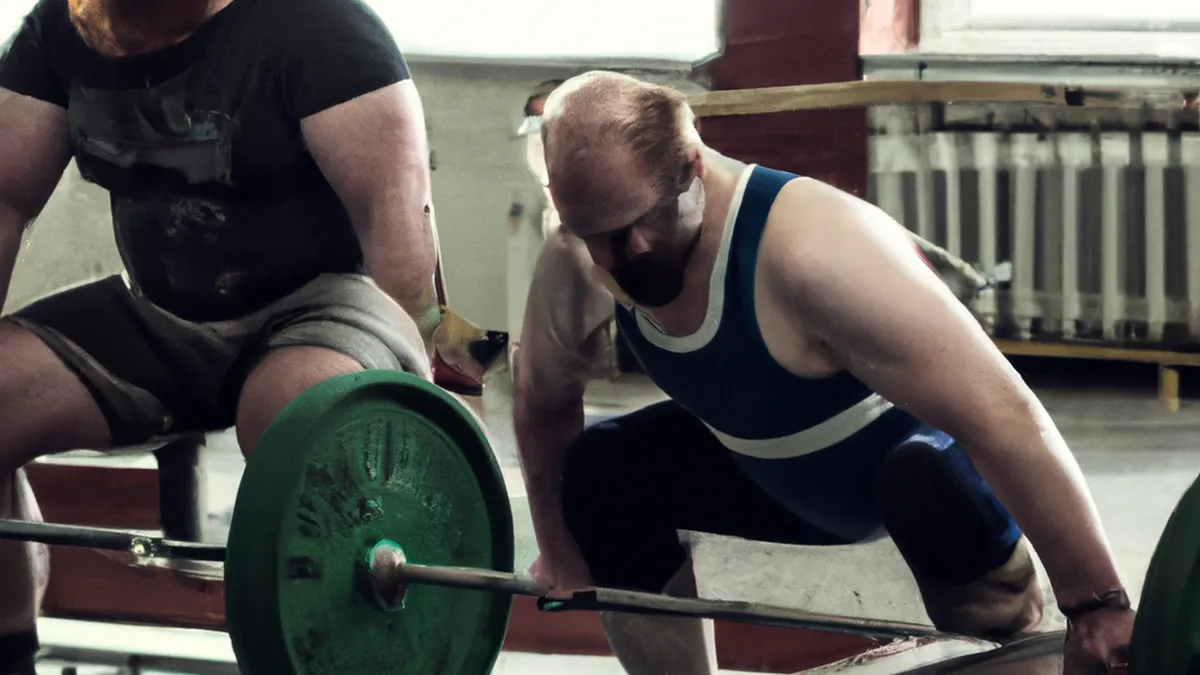
Hybrid Training: Combining Powerlifting and Streetlifting
Powerlifting vs. Streetlifting TechniquesPowerlifting and streetlifting are popular strength training disciplines. Each has unique focuses, techniques, and goals. Both styles build strength but differ in approaches and methodologies. Understanding these differences helps you choose the right fitness path. This article explores techniques, benefits, and training tips for both styles.
What is Powerlifting?
Powerlifting is a competitive strength sport featuring three primary lifts: squat, bench press, and deadlift. Each lift follows specific rules and techniques in competitions. Athletes aim to lift the maximum weight in each category. Their overall score comes from the total of their best lifts.
Techniques in Powerlifting
1. **Squat**: In the squat, lifters lower their bodies by bending at the knees. They keep their backs straight while placing the barbell on their upper backs. Lifters use different stances to target various muscle groups. Proper depth is crucial; hips must lower below knees for a legal squat.2. **Bench Press**: For the bench press, lifters lie on a bench and press a barbell upward from chest level. They keep feet flat on the ground and slightly arch their backs for stability. The bar must touch the chest before pressing upward. Lifters must control the weight throughout the movement.3. **Deadlift**: In the deadlift, lifters raise a barbell from the floor to hip level. They often use various stances, with the conventional stance being most common. Lifters must maintain flat backs, engage cores, and drive through their heels. Proper technique prevents injury, as this lift strains the lower back.
What is Streetlifting?
As an Amazon Associate I earn from qualifying purchases.
Gear tip: consider barbell, desk cycle, and ergonomic footrest to support this topic.
Streetlifting combines calisthenics and traditional weightlifting. It emphasizes bodyweight exercises and heavier lifting. This discipline focuses on aesthetics, functional strength, and impressive movements. Streetlifting often occurs outdoors, using minimal equipment, appealing to fitness enthusiasts.
Techniques in Streetlifting
1. **Pull-Ups**: Pull-ups are hallmark exercises in streetlifting. A strict pull-up requires lifters to engage their backs and arms while maintaining controlled movements. They can use various grips to target different muscle groups.2. **Dips**: Dips serve as another foundational movement in streetlifting. They work the triceps, chest, and shoulders. Lifters perform dips between two parallel bars, lowering their bodies until elbows reach 90-degree angles. Proper form remains essential for effectiveness.
Conclusion
Powerlifting and streetlifting offer unique benefits and techniques. Understanding their differences can enhance your training experience. Choose the style that aligns with your fitness goals.
Below are related products based on this post:
FAQ
What are the main lifts in powerlifting?
Powerlifting features three primary lifts: the squat, bench press, and deadlift. Each lift has specific rules and techniques that athletes must follow during competitions. The goal is to lift the maximum weight in each category, with the overall score based on the total of the best lifts.
What is the focus of streetlifting?
Streetlifting combines calisthenics and traditional weightlifting, focusing on bodyweight exercises and heavier lifting. It emphasizes aesthetics and functional strength while often taking place outdoors with minimal equipment. This discipline appeals to fitness enthusiasts looking for impressive movements and versatility in training.
How do the techniques differ between powerlifting and streetlifting?
Powerlifting techniques are centered around specific lifts with strict rules, like maintaining proper form and depth in squats and ensuring the bar touches the chest during the bench press. In contrast, streetlifting techniques involve bodyweight movements like pull-ups and dips, focusing on controlled execution and engaging multiple muscle groups. Each discipline requires attention to form to prevent injuries and maximize effectiveness.














Post Comment