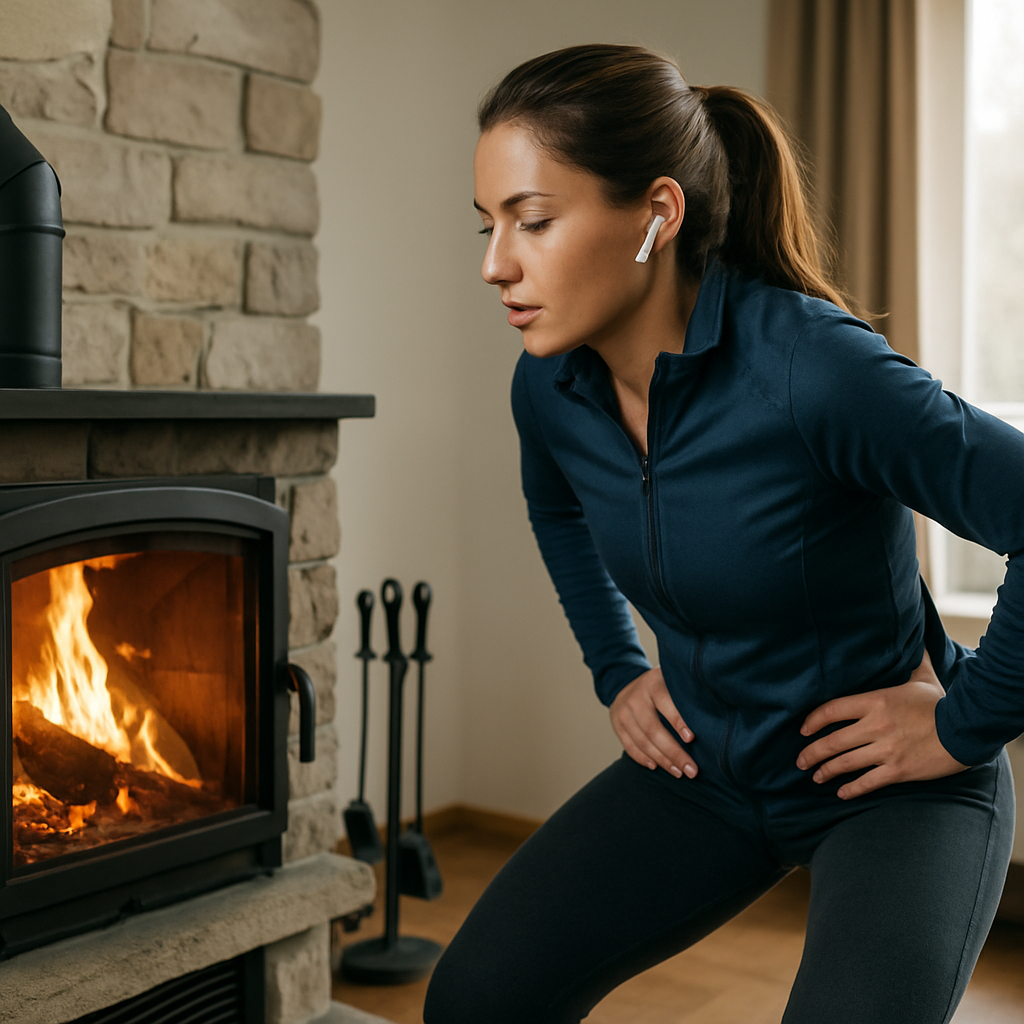
How Home Wood Burning Quietly Fuels Winter Air Pollution — And What You Can Do
Many people think of a crackling fire as cozy and harmless. But in cold months, wood-burning fireplaces and stoves can be a major source of dangerous air pollution — even in places where only a minority of homes burn wood. The smoke released from residential burning contributes disproportionally to wintertime fine-particle (PM2.5) exposure and can drift into cities, affecting neighbors far beyond the backyard.
Quick Summary
- Wood smoke is a significant contributor to winter fine-particle pollution (PM2.5), which is linked to heart and lung problems.
- Only a small share of households use wood heat, yet their emissions drive a large portion of cold-season exposure — especially in communities of color and urban areas downwind.
- Simple changes — cleaner stoves, dry seasoned wood, fewer burns, and switching to electric heating — can meaningfully reduce health risks.
- Local policies, burn bans on poor air-quality days, and community outreach amplify impact and protect vulnerable groups.
Why a few wood burners can cause big problems
Wood smoke contains a complex mix of gases and tiny particles. The smallest of these, PM2.5 (particles smaller than 2.5 micrometers), penetrate deep into the lungs and enter the bloodstream. Over time, exposure increases the risk of heart disease, stroke, chronic respiratory disease, and premature death. In winter, when other sources of pollution fall and atmospheric conditions trap emissions near the ground, residential wood burning becomes a disproportionately large contributor to overall PM2.5 exposure.
Research shows that even when only a modest fraction of homes burn wood for heat or recreation, that burning can account for more than one-fifth of Americans’ winter exposure to PM2.5. Because smoke travels, emissions from rural or suburban wood-burning can drift into cities. The burden of exposure is not evenly distributed: neighborhoods with fewer resources and higher proportions of people of color often lie downwind or in topographical basins where smoke accumulates, leading to environmental justice concerns.
Health impacts to keep in mind
Short-term exposure to wood smoke can irritate eyes and airways, trigger asthma attacks, and worsen chronic lung disease. Repeated or long-term exposure raises risks of more serious outcomes such as ischemic heart disease and increased all-cause mortality. Children, older adults, pregnant people, and those with preexisting heart or lung conditions are particularly vulnerable.
It’s important to emphasize that this article does not diagnose or give medical directives. If you or someone in your household is experiencing symptoms like persistent coughing, chest pain, or breathlessness, consult a health professional.
Practical steps to reduce wood smoke from your home
You don’t have to give up warmth or ambience entirely to cut pollution and protect health. Try these evidence-based approaches:
- Burn less, burn smarter: Limit open fireplace use. Reserve wood burning for occasional use rather than primary heating.
- Use dry, seasoned wood: Wood should be split and stored for at least 6–12 months in a dry, ventilated place. Wet wood smolders and produces much more smoke and PM2.5.
- Install EPA-certified stoves or insert: Modern certified wood stoves and fireplace inserts burn hotter and cleaner, reducing particulate emissions compared with older appliances and open fires.
- Maintain chimneys and stoves: Regular cleaning and servicing improves combustion efficiency and reduces creosote buildup (a fire hazard and source of pollution).
- Follow local burn bans and air-quality alerts: Avoid burning on cold, stagnant days or when regional air-quality forecasts are poor — that’s when smoke accumulates the most.
- Consider cleaner alternatives: Heat pumps, electric heaters, and certified pellet stoves typically emit less local PM2.5 than wood-burning devices.
- Improve home insulation and reduce drafts: Better insulation and weatherization reduce heating needs, so you can rely less on wood for warmth.
Checklist: Quick actions you can take this winter
- Check local air-quality forecast before burning and avoid burns on ‘Unhealthy’ days.
- Stack and cover new wood to season it for at least 6 months.
- Schedule a chimney/stove inspection and cleaning annually.
- If replacing a stove, choose an EPA-certified model or consider a heat pump.
- Use a carbon monoxide detector and smoke alarm to ensure indoor safety.
- Talk with neighbors and local officials about community burn ordinances and support for cleaner heating programs.
Community and policy levers that make a difference
Individual changes help, but the largest public-health gains come from policies that reduce emissions at scale. Effective strategies include:
- Targeted wood-stove changeout programs that subsidize cleaner heating for low-income households.
- Enforced burn bans and daily advisories during periods of poor air quality.
- Public education campaigns about the health risks of wood smoke and how to burn cleanly.
- Urban planning that accounts for prevailing wind patterns and ensures vulnerable neighborhoods aren’t disproportionally impacted.
Common Mistakes
- Thinking ‘it’s just smoke’ from a neighbor won’t reach me: Smoke travels and accumulates, especially on cold still nights. What seems local can affect an entire neighborhood.
- Burning wet or green wood to save money: It produces more smoke and pollutants, provides less heat, and increases chimney creosote buildup.
- Assuming gas logs are always healthier: Vented gas logs can be cleaner than a poorly operated wood fire, but ventless gas heaters can raise indoor pollutants; choose and install appliances with care.
- Relying only on a chimney sweep: While maintenance is essential, it doesn’t substitute for proper wood choice, burn practices, or appliance upgrades.
- Believing only rural areas are affected: Urban and suburban residents can experience significant exposure when smoke drifts into populated areas.
How to talk to neighbors and community leaders
Addressing wood smoke is both a technical and social challenge. Start conversations respectfully: share facts about health risks and simple steps that reduce smoke, offer resources (local wood seasoning tips, vendor contacts for certified stoves), and advocate for policies like temporary burn bans during poor air-quality days. Community programs that subsidize cleaner heating for low-income households can reduce both emissions and inequities.
Conclusion
Cozy fires are part of winter tradition, but the collective impacts of wood burning can have outsized consequences for public health — particularly in cold months when fine particles concentrate near the ground. By burning less, burning drier, upgrading to cleaner appliances, following air-quality guidance, and supporting community-level solutions, homeowners can keep the benefits of home warmth while reducing harm to neighbors and vulnerable populations.
FAQ
- Q: How much does a single wood stove contribute to neighborhood air pollution?
- A: Emissions vary by appliance age, wood moisture, and burn practices. A single old, inefficient stove burning wet wood can emit as much particulate matter as many modern appliances combined. The cumulative effect of several households burning leads to noticeable neighborhood pollution, especially on stagnant cold days.
- Q: Are EPA-certified wood stoves worth the investment?
- A: Yes—certified stoves burn more efficiently and emit substantially fewer particulates than older, uncertified models. They can reduce smoke, improve indoor heat output, and lower emissions that affect neighbors. Consider local incentives or trade-in programs that offset upfront costs.
- Q: Can I make my fireplace cleaner without replacing the stove?
- A: You can reduce pollution by burning only well-seasoned wood, building smaller, hotter fires, using glass doors or a fireplace insert, and ensuring the chimney is clean. However, an old open fireplace will still typically emit more PM2.5 than a modern certified stove.
- Q: Is wood smoke worse for children and older adults?
- A: Yes. Children and older adults, along with people who have heart or lung conditions, are more susceptible to the effects of particulate pollution. Even short-term exposure can trigger symptoms in vulnerable individuals.
- Q: What can I do if my neighbor burns frequently and it affects my air quality?
- A: Start with a courteous conversation sharing your concerns and offering solutions (e.g., burning only on good-air days, using seasoned wood). If that doesn’t help, contact your local air-quality agency to learn about regulations, complaint procedures, or community programs for cleaner heating alternatives.














Post Comment