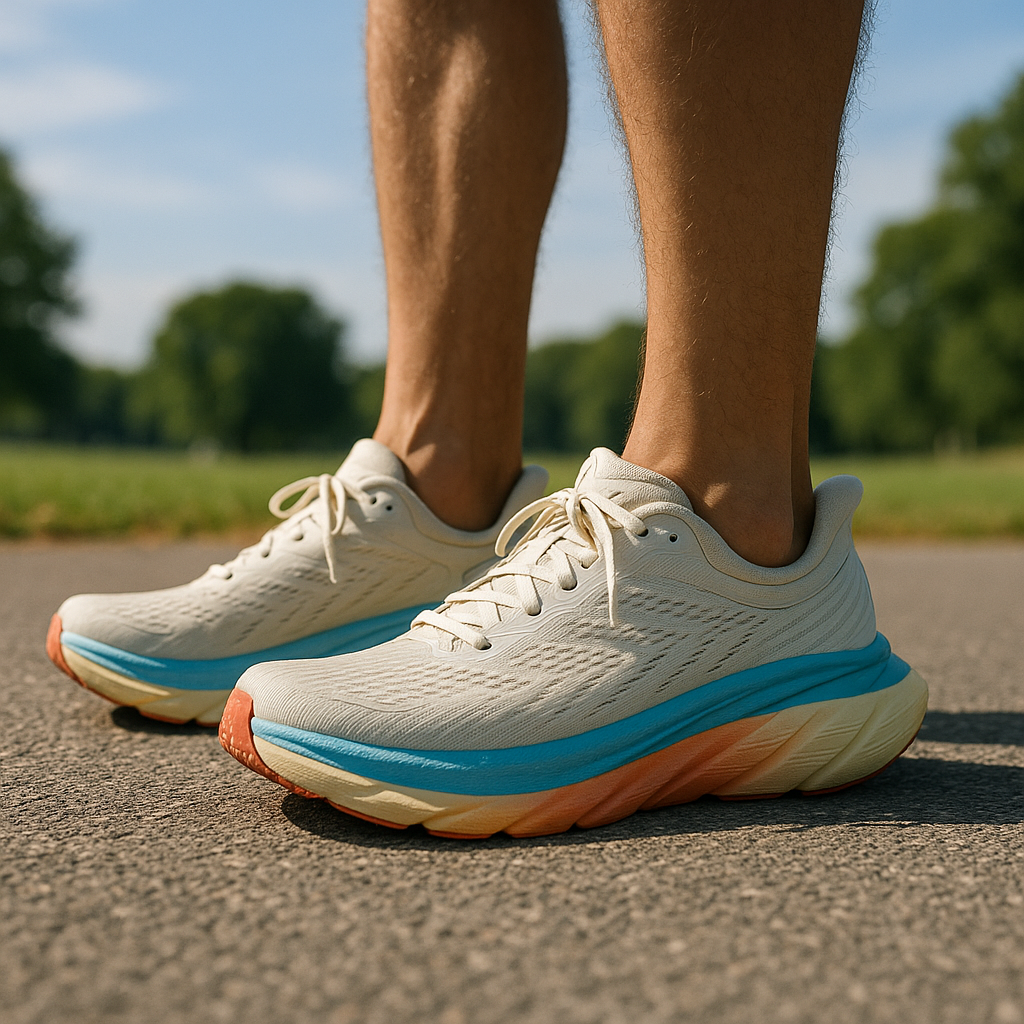
10 Top Hoka Running Shoes That Deliver Marshmallow Plush and Upbeat Bounce
Quick Summary
- Hoka shoes range from ultra-plush max-cushion models to lightweight, responsive trainers and rugged trail options.
- This guide highlights 10 Hoka picks for road, trail, stability, and speed, with practical fit and purchase tips.
- Key selection factors: cushioning level, weight, stability features, terrain, and correct fit.
Introduction
Hoka has become shorthand for thick midsoles and a soft, springy ride—but the brand offers much more than “big foam.” Whether you want a marshmallow-soft daily trainer, a lively tempo shoe, or a grippy trail runner, Hoka’s lineup includes distinct rides tuned for different runners and conditions. This article walks through 10 of the brand’s best options, how to choose the right Hoka for you, practical buying steps, a handy checklist, common mistakes to avoid, and a short FAQ.
How Hoka Cushioning Works (Quick Overview)
Hoka’s signature is a thick midsole with soft foam that compresses easily and returns energy—creating a plush sensation with notable bounce on many models. Design elements like rocker geometry, foam compound, and internal structures (stability rails, carbon plates) change how that cushion feels: plush and forgiving, snappy and fast, or supportive and steady.
Top 10 Hoka Running Shoes — What They’re Best For
1. Hoka Bondi (max cushion, long runs & recovery)
Why it stands out: The Bondi is Hoka’s poster child for maximal cushioning. Thick, forgiving foam makes it a favorite for long recovery runs and walkers who want extra padding underfoot. Best for road miles where plush comfort matters most.
2. Hoka Clifton (balanced daily trainer)
Why it stands out: Clifton models combine soft cushioning with a lighter weight than Bondi. They deliver a smooth, neutral ride for everyday training without feeling bulky.
3. Hoka Mach (responsive trainer with spring)
Why it stands out: Mach blends lightweight foam and a snappy feel—ideal for faster workouts and runners wanting a springier toe-off compared with heavier max-cushion shoes.
4. Hoka Carbon X (racing & tempo with propulsion)
Why it stands out: Built with carbon plate tech and responsive foam for sustained speed. It prioritizes propulsion and efficiency for race days and long tempo runs.
5. Hoka Speedgoat (technical trail with big cushion)
Why it stands out: The Speedgoat pairs protective cushioning with aggressive lugs and a stable platform for loose, rocky trails. Great for long off-road adventures where comfort and traction are essential.
6. Hoka Torrent (light, nimble trail runner)
Why it stands out: Lighter and quicker than Speedgoat, Torrent fits runners who want agility on mixed trails while retaining some of Hoka’s cushioned ride.
7. Hoka Arahi (stability with soft foam)
Why it stands out: Arahi provides support through internal guidance features rather than heavy motion-control elements. It’s a good pick for mild overpronators who want cushioning without stiffness.
8. Hoka Gaviota (max-stability cushioned trainer)
Why it stands out: Gaviota gives maximum cushioning and robust stability features for runners needing extra control over long distances or recovering from injury.
9. Hoka Challenger ATR (hybrid road/trail)
Why it stands out: A do-it-all shoe for roads and light trails; it blends road comfort and mild trail traction for runners who mix surfaces.
10. Hoka Rincon (ultra-light road speed)
Why it stands out: Rincon offers an unexpectedly plush feel for a lightweight road racer—fast, cushioned, and minimalistic for tempo sessions and races where weight matters.
How to Choose the Right Hoka for Your Runs
- Map your primary use: daily miles, long runs, tempo/races, or trail terrain.
- Assess cushioning preference: maximum (Bondi), balanced (Clifton), or responsive (Mach, Carbon X).
- Consider stability needs: neutral vs. stability models like Arahi or Gaviota.
- Factor weight if you plan to race—lighter Hokas like Rincon or Mach reduce swing weight.
- Check outsole: aggressive lugs for technical trails (Speedgoat), smoother rubber for roads.
Practical Steps Before You Buy
- Measure your feet at the end of the day—feet swell during activity.
- Bring the socks you run in to the fitting (thickness matters).
- Try both feet and run 5–10 minutes in-store or on a treadmill to test how the cushioning feels under load.
- Check heel lockdown and toe room—about a thumb’s width of space at the toe is a good rule.
- Compare models side-by-side to feel differences in foam softness and responsiveness; if you want a different feel, read comparisons (for example, choosing Brooks Glycerin explores another plush option).
- Break in gradually—start with shorter runs to let your body adapt to a new ride.
Hoka Buying Checklist (Printable Guide)
- [ ] Purpose defined (long runs, speed, trail, everyday)
- [ ] Foot measurement taken today
- [ ] Appropriate sock used while trying on
- [ ] Heel locked, toes free
- [ ] Tested running gait for at least 5 minutes
- [ ] Considered stability vs. neutral
- [ ] Reviewed outsole for terrain match
- [ ] Planned break-in progression
Common Mistakes Runners Make Choosing Hoka Shoes
- Buying the plushest option without considering intended pace—max cushion can feel sluggish for tempo work.
- Picking a shoe that’s visually pleasing instead of testing fit and ride.
- Assuming a big midsole eliminates injury risk—shoe choice helps but doesn’t replace training balance and form work.
- Not trying the shoes with your usual socks or orthotics—this changes fit dramatically.
- Underestimating outsole needs—road midsoles with smooth rubber won’t grip technical trails.
Recovery and Pairing Shoes With Your Routine
Hoka’s plush models shine for recovery days and easy miles, but remember recovery also includes nutrition and sleep. If you’re structuring post-run recovery, consider meal timing and composition to support adaptation—this guide can help you tailor a post-workout meal for recovery and performance.
Conclusion
Hoka offers a spectrum of cushion and performance: from the marshmallow-soft Bondi to the fast, lightweight Rincon and trail-tested Speedgoat. The “best” Hoka depends on how and where you run. Use the practical steps and checklist above so you pick a shoe that matches your goals, terrain, and biomechanics. If you have persistent pain or special foot needs, consult a professional before switching footwear.
Commonly Asked Questions
Q1: Are Hoka shoes suitable for beginners?
A1: Yes—Hokas can be excellent for beginners because the cushioning reduces impact forces and feels comfortable. Start with a neutral, balanced model like the Clifton and build mileage gradually.
Q2: How often should I replace Hoka running shoes?
A2: Replace shoes when cushioning and outsole wear cause decreased comfort or traction, commonly around 300–500 miles depending on model, weight, and terrain.
Q3: Can I use Hoka shoes for speedwork?
A3: Some Hoka models are designed for speed (Mach, Rincon, Carbon X). Max-cushion shoes like Bondi are better for recovery and long slow runs than for intervals or tempo workouts.
Q4: Are Hoka shoes heavy compared with other brands?
A4: Not necessarily. While some Hokas (Bondi, Gaviota) are heavier because of extra foam, models like Rincon and Mach are lightweight and competitive with other brands’ trainers.
Q5: Can I put custom orthotics in Hoka shoes?
A5: Many Hoka models accept custom orthotics, but check internal volume—max-cushion shoes may have more room. Try orthotics during a test run to confirm fit and comfort.













2 comments