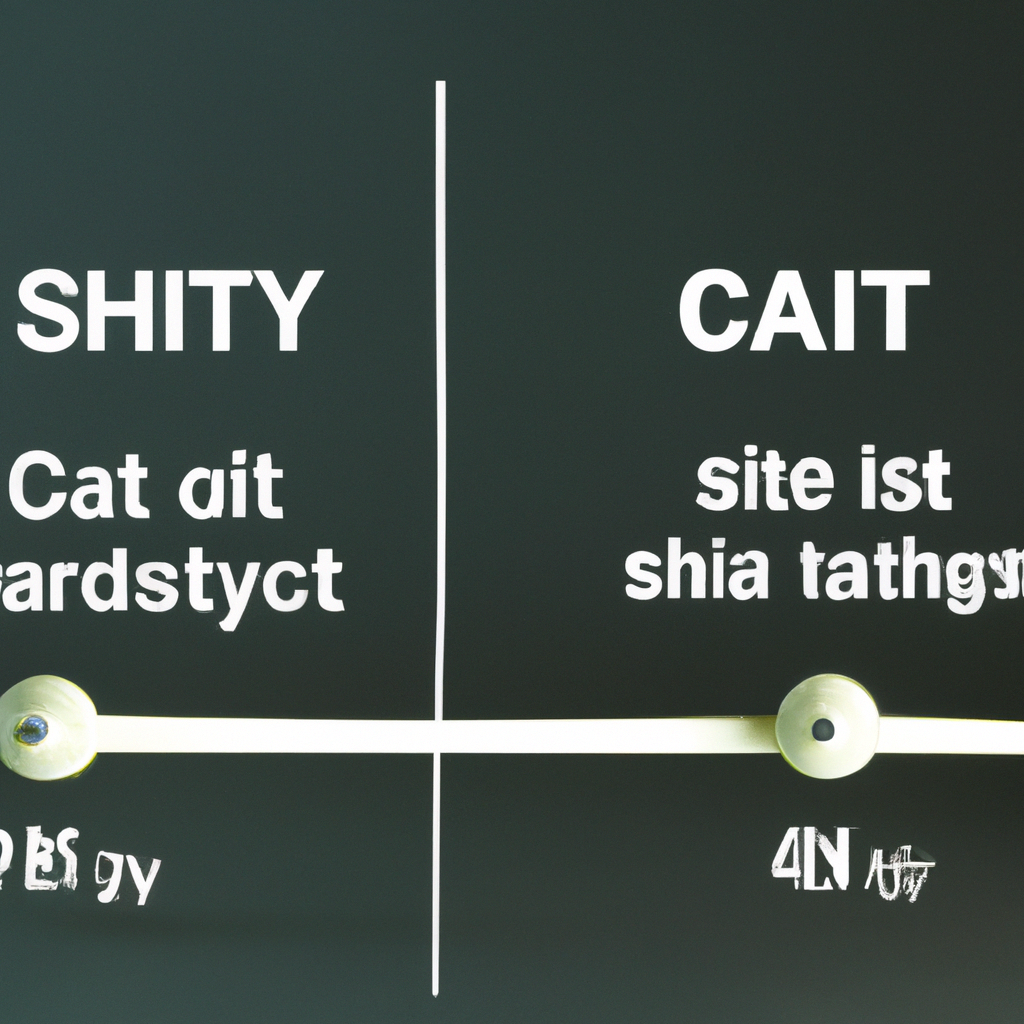
HIIT vs. steady-state cardio

# HIIT vs. Steady-State Cardio: Which is Right for You?
Cardiovascular exercise is a crucial component of any fitness regimen, contributing to heart health, weight management, and overall well-being. Among the various forms of cardio, High-Intensity Interval Training (HIIT) and steady-state cardio are two of the most popular methods. While both can yield significant health benefits, they differ substantially in their approach, intensity, and overall impact on the body. In this blog post, we will explore the differences between HIIT and steady-state cardio, their respective health benefits, and provide essential nutrition and exercise advice to help you choose the right method for your fitness goals.
## Understanding HIIT and Steady-State Cardio
**High-Intensity Interval Training (HIIT)** involves short bursts of intense exercise followed by periods of rest or low-intensity exercise. For instance, a HIIT session may consist of 30 seconds of sprinting followed by a minute of walking, repeated for a total of 15-20 minutes. This method leverages the body’s anaerobic energy systems, pushing your heart rate to near maximum levels, which can lead to improved cardiovascular fitness and increased calorie burn even after the workout has ended.
On the other hand, **steady-state cardio** refers to maintaining a consistent, moderate level of intensity for an extended period, typically 30-60 minutes. Activities such as jogging, cycling, or swimming at a steady pace fall under this category. Steady-state cardio is often easier for beginners to grasp, as it allows for sustained effort without the extreme fluctuations in intensity that characterize HIIT.
## Health Benefits of HIIT
1. **Time Efficiency**: One of the biggest draws of HIIT is that it can deliver substantial results in a shorter amount of time. A 20-minute HIIT session can be as effective as an hour of steady-state cardio.
2. **Increased Metabolic Rate**: HIIT can elevate your metabolic rate for hours after a workout, leading to additional calorie burn even while at rest. This phenomenon, known as the afterburn effect (excess post-exercise oxygen consumption or EPOC), can significantly aid in weight loss.
3. **Improved Cardiovascular Health**: Studies have shown that HIIT can improve both aerobic and anaerobic fitness levels. It can enhance cardiovascular health by increasing heart efficiency and improving blood pressure and cholesterol levels.
4. **Muscle Preservation**: HIIT emphasizes short, intense bursts of activity, which can help preserve muscle while promoting fat loss. This is especially beneficial for those looking to maintain muscle while cutting down on body fat.
## Health Benefits of Steady-State Cardio
1. **Accessibility**: Steady-state cardio is generally more accessible for beginners or those with certain health issues. It allows individuals to build endurance without the risk of injury associated with high-intensity workouts.
2. **Lower Stress on the Body**: Because it involves a consistent, moderate pace, steady-state cardio tends to be easier on the joints and muscles, making it a safer option for those recovering from injuries.
3. **Mental Clarity**: Engaging in steady-state cardio can serve as a form of active meditation. The rhythmic nature of the activity can help clear the mind and reduce stress, contributing to mental well-being.
4. **Building Endurance**: Steady-state cardio is excellent for building aerobic endurance, making it ideal for those training for longer events, such as marathons or cycling races.
## Nutrition Tips for HIIT and Steady-State Cardio
Regardless of the cardio approach you choose, proper nutrition plays a vital role in maximizing performance and recovery. Here are some essential nutrition tips:
1. **Pre-Workout Fuel**: For HIIT, consume a small meal or snack rich in carbohydrates and moderate in protein about 30 minutes to an hour before your workout. Options include a banana with peanut butter or a yogurt with granola. For steady













Post Comment