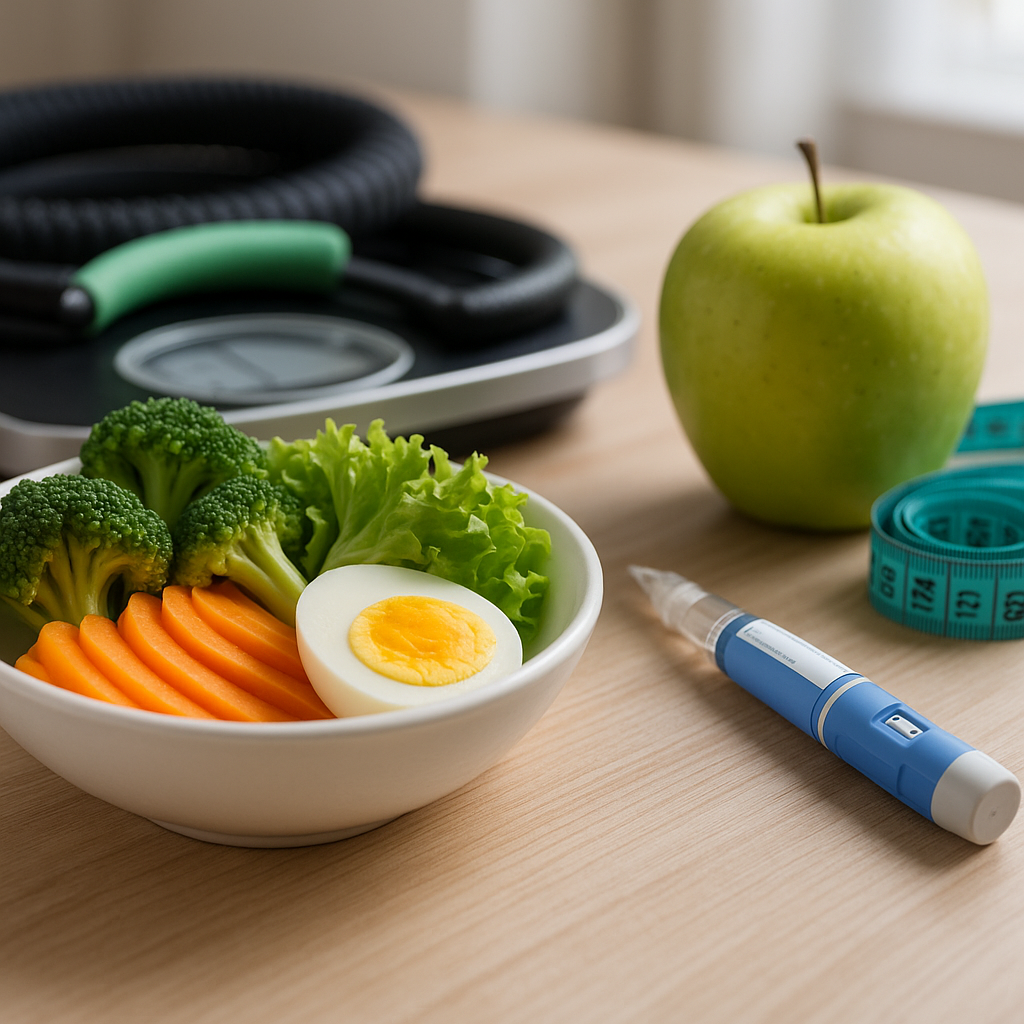
Hidden Nutrition Challenges on Ozempic and Wegovy: What Users Need to Know
Quick Summary
- GLP-1 weight-loss medications like Ozempic and Wegovy reduce appetite and food intake, which can inadvertently lower protein and micronutrient intake.
- Without intentional planning, rapid weight loss can include muscle loss and nutrient deficiencies (B12, iron, vitamin D, calcium, and electrolytes are commonly flagged).
- Monitoring, targeted protein intake, resistance training, and periodic lab tests with a healthcare professional or dietitian can help reduce risks.
Intro: Why nutrition still matters when appetite goes away
Prescription GLP-1 medications such as semaglutide (marketed as Ozempic and Wegovy) have reshaped obesity treatment and weight management by safely and effectively reducing appetite for many people. That decreased appetite is often the very reason these drugs work. But appetite suppression also reduces the amount and variety of food people eat, and that can unintentionally create nutrition gaps. Newer research and clinical observations are raising concerns that many users may be “flying blind”—losing weight but not tracking important nutrients or muscle mass.
How GLP-1 drugs change eating—and why that matters for nutrition
GLP-1 agonists reduce hunger, increase satiety, and can slow gastric emptying. For most people this means fewer calories consumed and smaller meals. While calorie reduction is often the treatment goal, there are downstream effects worth watching:
- Smaller portion sizes can mean less protein per meal unless intentionally prioritized.
- Lower overall food volume may reduce intake of vitamin- and mineral-rich foods (fruits, vegetables, dairy, whole grains, legumes).
- Delayed gastric emptying can change tolerance of certain foods, occasionally triggering nausea or food aversions that further limit variety.
Nutrients and body components most at risk
Protein and muscle mass
Unintentional muscle loss (sarcopenia) is a key concern during rapid weight loss. Muscle is metabolically active and important for strength, balance and long-term metabolic health. If appetite is low and protein intake drops, body composition can shift toward a higher percentage of lean mass loss. Prioritizing adequate protein and including resistance exercise are the main strategies to protect muscle.
Vitamins and minerals
When overall food intake falls, so does the variety of nutrients. Common shortfalls reported in clinical practice include:
- Vitamin B12 — especially if meat, dairy and fortified foods decline.
- Iron — from less red meat or iron-rich plant sources and reduced iron absorption if meal timing changes.
- Vitamin D and calcium — if dairy or fortified alternatives are reduced.
- Electrolytes (sodium, potassium, magnesium) — if diet becomes very restrictive or fluid intake patterns change.
Energy availability for daily function and exercise
Some people using GLP-1 medications report fatigue or lower exercise tolerance at first. If calorie or carbohydrate intake drops sharply without adjustment, energy for higher-intensity activity and recovery may be insufficient—another reason to plan meals around activity and to monitor functional changes, not just scale weight.
How to safeguard your nutrition while using appetite-reducing medication
Planning and monitoring are the most practical tools. Below are evidence-aligned strategies many dietitians and clinicians recommend; treat these as starting points and consult a healthcare professional for personalized plans.
1. Get a baseline and schedule follow-ups
Before or soon after starting medication, consider baseline measures: weight, waist circumference, and if available, body composition (DXA, BIA) to track changes over time. Ask your prescriber about routine bloodwork to monitor B12, iron studies, vitamin D, and basic metabolic panel if symptoms occur.
2. Prioritize protein at each meal
Make protein the anchor of meals and snacks—this supports muscle preservation, satiety quality, and recovery from activity. Typical guidance for people aiming to protect muscle during weight loss often falls in a higher-than-average range; a registered dietitian can convert that into a practical daily and per-meal plan for you.
3. Strength training and movement
Include resistance training 2–3 times per week when feasible. Progressive loading (even with bodyweight or resistance bands) signals your body to retain and build muscle during weight loss. If you’re training for endurance events or long aerobic sessions, consider planning nutrition around those workouts; tips for building a base and balancing training load can be helpful for athletes adapting to new appetite patterns — for example, see guidance on training duration and planning.
4. Focus on nutrient-dense, compact choices
Because meal size may shrink, choose foods that deliver more nutrients per bite: Greek yogurt, eggs, lean meats, canned fish, legumes, fortified plant milks, nuts, seeds, and whole grains. Smoothies and meal-replacement options can be useful short-term if solid food is poorly tolerated, but prioritize whole foods when possible.
5. Watch symptoms and communicate with providers
Report persistent nausea, dizziness, palpitations, extreme fatigue, hair loss, or any swallowing/tolerance problems. These may signal the need for medication adjustment or nutrition intervention.
Practical steps and a simple checklist
Use this checklist to begin a nutrition-focused plan while on GLP-1 medication.
- Before or within the first month: get baseline weight and ask about relevant labs (B12, iron, vitamin D).
- Plan meals so each contains a source of protein (meat/plant/ dairy/fortified alternatives).
- Include resistance training 2–3× per week; track strength or function (e.g., how many chair stands you can do).
- Choose nutrient-dense snacks (Greek yogurt, hard-boiled eggs, nut butter on whole-grain toast).
- Schedule a visit with a registered dietitian if you experience unintentional rapid weight loss, poor energy, or food aversions.
- Monitor symptoms and labs every 3–6 months or as advised by your clinician.
Common Mistakes to avoid
- Assuming all weight lost is fat—ignoring muscle loss can harm function and metabolism.
- Skipping protein in favor of very-low-calorie or single-food diets—this increases risk of nutrient shortfalls.
- Self-prescribing supplements without testing—unnecessary supplements can be wasteful or interact with medications.
- Neglecting monitoring—no follow-up labs or body-composition checks means issues can go unnoticed.
- Comparing yourself to others—responses vary widely; individualized nutrition is important.
When to involve professionals
If you notice undue fatigue, dizziness, persistent gastrointestinal symptoms, rapid loss of muscle strength, or if your diet becomes highly restrictive or monotonous, see your prescriber and ask for a referral to a registered dietitian. A nutrition professional can create a tailored plan that aligns medication goals with nutrient needs and activity levels.
Conclusion
GLP-1 medications like Ozempic and Wegovy can be powerful tools for weight management, but reduced appetite removes an important, automatic source of daily nutrients. Thinking ahead—prioritizing protein, monitoring key labs, including resistance exercise, and working with a healthcare team—helps protect muscle and prevent nutrient shortfalls. If you’re starting or already on these medications, proactive nutrition planning turns an effective appetite reducer into a sustainable, health-supportive part of your care plan.
FAQ
Q1: Will Ozempic or Wegovy cause me to become vitamin deficient?
A: Not necessarily, but reduced food intake can increase the risk of deficiencies over time—especially B12, iron, vitamin D and calcium if your diet becomes limited. Regular monitoring and dietary planning reduce this risk.
Q2: How can I prevent losing muscle while on these drugs?
A: Focus on adequate protein at meals, progressive resistance training, and having a nutrition plan tailored to your activity and health goals. A dietitian can help translate these principles into specific targets for you.
Q3: Should I take multivitamins or supplements automatically?
A: It’s better to check bloodwork and discuss symptoms with a clinician or dietitian before starting routine supplementation. Targeted supplements can be helpful when there’s a documented deficiency.
Q4: Can I keep exercising and training while using GLP-1 medications?
A: Many people continue all forms of exercise, but you may need to adjust meal timing or snack choices around workouts, especially early on. If you’re training for endurance events or heavy strength goals, coordinate nutrition and training with a professional as your appetite and energy shift.
Q5: How often should I have labs or body composition checked?
A: Frequency depends on your health, symptoms, and clinician’s judgment. Common practice is to check relevant labs (B12, iron, vitamin D) within a few months of starting and periodically thereafter; body composition or strength checks every 3–6 months can be useful for tracking muscle preservation.
Related reading: If you’re balancing training plans with medication-related appetite changes, consider resources about training duration and building a base for endurance work: How long should base training last?
Part of the Complete Strength Training Guide
Explore more: Sports Nutrition & Supplementation














Post Comment