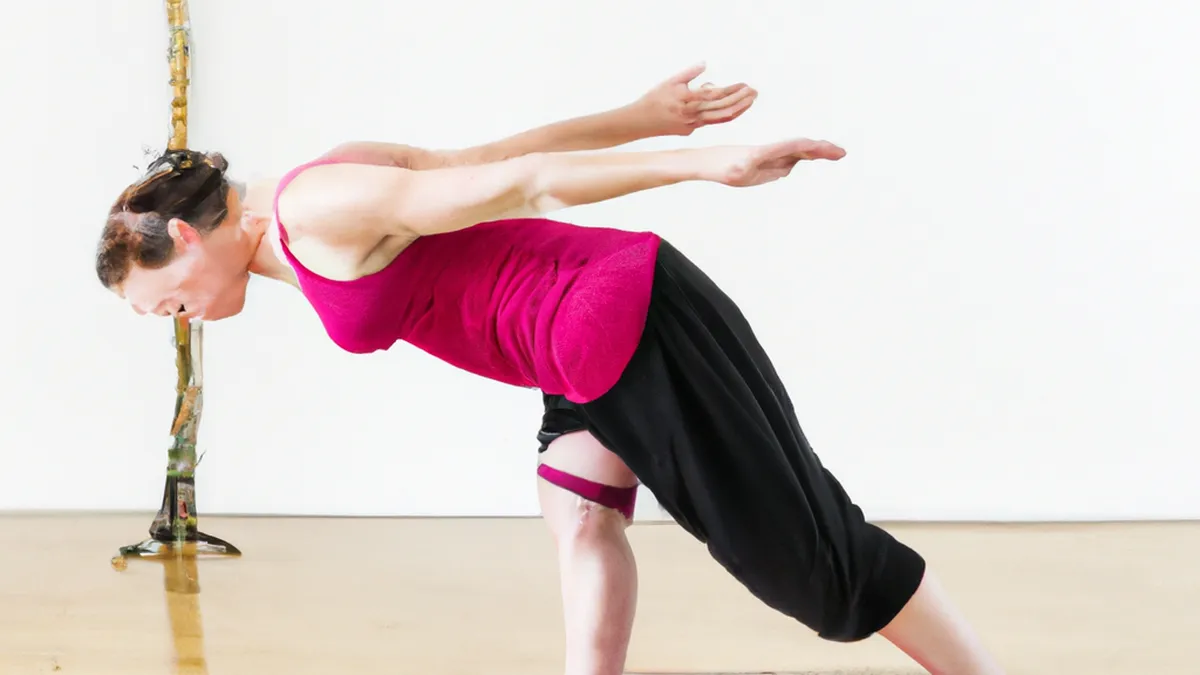
Glide Through Life Without Fractures
Flexibility Routines to Prevent FracturesAging makes bones more vulnerable. Minor falls or accidents can cause fractures. Incorporating flexibility routines into your daily life can reduce this risk. These routines enhance joint mobility and improve muscle strength. They also promote balance, crucial for fall prevention. This blog post explores flexibility routines that help prevent fractures.
Understanding Flexibility and Its Importance
Flexibility means your muscles and joints can move through their full range of motion. Good flexibility improves overall body mechanics. This ability is essential for everyday activities like bending or reaching. Flexible muscles absorb shock better, reducing injury risk.Many people overlook flexibility exercises. They often prioritize strength and cardiovascular workouts. However, flexibility routines are vital for maintaining bone health. These routines also enhance balance, key in preventing falls that lead to fractures.
Simple Flexibility Routines
As an Amazon Associate I earn from qualifying purchases.
Gear tip: consider stretching strap, mobility sliders, and foam yoga wedge to support this topic.
Incorporate these simple flexibility routines into your daily life. Start slow and gradually increase intensity. Here are a few effective exercises:
1. Stretching Exercises
Stretching improves flexibility. Focus on major muscle groups, such as:- **Hamstrings**: Sit on the floor with legs extended. Reach for your toes and hold for 15-30 seconds. – **Quadriceps**: Stand on one leg. Pull the opposite foot toward your buttocks, holding onto something for balance.Perform these stretches daily to maintain flexibility and prevent stiffness.
2. Yoga
Yoga combines stretching, strength, and balance. It offers a holistic approach to improve overall fitness. Certain poses enhance flexibility and stability, such as:- **Downward Dog**: This pose strengthens arms and legs while stretching the back.- **Warrior II**: This pose improves balance and strengthens legs.Join a local class or use online resources. Aim for at least two sessions per week.
3. Tai Chi
Tai Chi focuses on slow, controlled movements. It enhances flexibility, balance, and coordination. Research shows that practicing Tai Chi reduces fall risk among older adults. Consider joining a class or following online tutorials. Aim for practice sessions of 30 minutes at least three times a week.
Tips for Effective Flexibility Routines
To maximize your flexibility routines, follow these tips:- **Warm-Up First**: Always warm up before stretching. A short walk or light cardio prepares your muscles.- **Breathe Properly**: Focus on your breath. Inhale deeply while stretching and exhale as you hold the position. This enhances relaxation.- **Listen to Your Body**: Never push into pain. Stretch until you feel tension, not pain.- **Be Consistent**: Consistency improves flexibility. Set a schedule and stick to it.
Additional Advice
Flexibility routines should complement other exercises. Incorporate strength training and balance exercises into your routine. For instance, squats and lunges strengthen legs. This combination reduces fracture risk.Stay hydrated, too. Proper hydration supports overall muscle function. Consider working with a physical therapist. They can customize a routine based on your individual needs.
Benefits of Flexibility Routines
Incorporating flexibility routines into your daily life offers numerous benefits. First, improved flexibility enhances your range of motion. You can move more freely and perform daily tasks with ease. Second, flexibility routines reduce muscle tension and soreness, making you feel more comfortable throughout the day.Additionally, these routines improve balance and coordination, crucial for preventing falls. Better balance reduces the likelihood of tripping or stumbling. Lastly, flexibility routines enhance overall well-being. They promote relaxation and reduce stress, leading to a healthier lifestyle.
Conclusion
Flexibility routines play a vital role in preventing fractures. They improve your range of motion, balance, and overall body mechanics. By incorporating simple stretching, yoga, and Tai Chi into your daily routine, you can significantly reduce your injury risk. Stay consistent, listen to your body, and complement flexibility routines with strength training. Embrace these practices for a healthier and more active life. Start today and enjoy the benefits of increased flexibility and improved bone health!
Below are related products based on this post:
FAQ
Why is flexibility important for preventing fractures?
Flexibility is crucial because it allows muscles and joints to move through their full range of motion. Good flexibility improves overall body mechanics, which is essential for daily activities and helps absorb shock, thereby reducing the risk of injuries and fractures.
What are some effective flexibility routines to incorporate?
Effective flexibility routines include stretching exercises, yoga, and Tai Chi. Stretching targets major muscle groups, while yoga combines stretching, strength, and balance. Tai Chi focuses on slow, controlled movements that enhance flexibility and coordination.
How often should I practice flexibility routines?
To see benefits, aim for daily stretching routines and at least two sessions of yoga per week. For Tai Chi, practice for 30 minutes at least three times a week to improve flexibility and reduce fall risk.













Post Comment