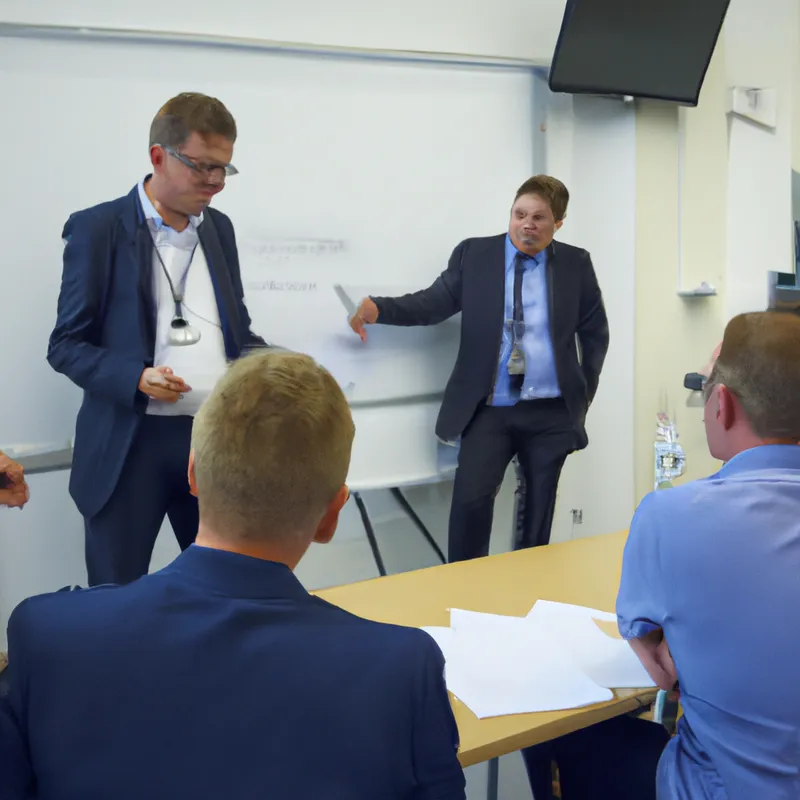
Foster Collaboration Through Effective Communication
Conflict Resolution Strategies in Group Training Environments
Conflict arises in group training due to diverse backgrounds and perspectives. While it creates tension, conflict also offers growth and learning opportunities. Properly managing conflict can enhance communication and teamwork. This post explores strategies for resolving conflict and highlights their benefits in training settings.
Understanding Conflict in Group Training
To address conflict effectively, understand its nature. Conflict often stems from misunderstandings, differing beliefs, and competing interests. Participants may express frustration or disagreement in training environments. Recognizing conflict types aids in effective resolution.
Types of Conflict
1. **Interpersonal Conflict**: This occurs between individuals and stems from personality clashes or communication style differences.
2. **Task Conflict**: This arises from disagreements about the task. Participants may have differing opinions on methods or priorities.
3. **Process Conflict**: This occurs over how to complete tasks. Group members might disagree on roles, timelines, or evaluation methods.
Understanding conflict types allows facilitators to address root causes effectively.
Tips for Resolving Conflict
Implementing effective strategies can prevent conflicts from escalating. Consider these practical tips for navigating conflict in training environments:
1. Foster Open Communication
Encourage open communication to resolve conflicts. Create a safe environment for participants to express their thoughts. Use open-ended questions to facilitate discussions and invite all voices. When participants feel safe, misunderstandings can clarify, and tensions can ease.
2. Practice Active Listening
Active listening plays a crucial role in resolving conflicts. Encourage participants to listen attentively and understand each other’s perspectives. Summarizing or paraphrasing statements ensures clarity and shows respect. This practice fosters collaboration within the group.
3. Find Common Ground
Identify shared goals or interests among participants to bridge differences. Emphasize what unites the group instead of what divides it. When participants recognize common objectives, they are more likely to collaborate.
Conclusion
Effective conflict resolution strategies enhance communication and teamwork in group training environments. By fostering open communication and understanding, facilitators can transform conflicts into valuable learning experiences.
Below are related products based on this post:
FAQ
What are the main types of conflict that can occur in group training environments?
The main types of conflict in group training environments include interpersonal conflict, which arises from personality clashes or communication style differences; task conflict, which stems from disagreements about the task itself; and process conflict, which occurs over how tasks should be completed, including roles and timelines.
How can open communication help in resolving conflicts during training?
Open communication fosters a safe environment where participants can express their thoughts and feelings. By encouraging discussions through open-ended questions, misunderstandings can be clarified, and tensions may ease, leading to more effective conflict resolution.
What role does active listening play in conflict resolution?
Active listening is crucial in conflict resolution as it encourages participants to attentively understand each other’s perspectives. By summarizing or paraphrasing statements, participants demonstrate respect and clarity, which helps foster collaboration and reduces misunderstandings.













Post Comment