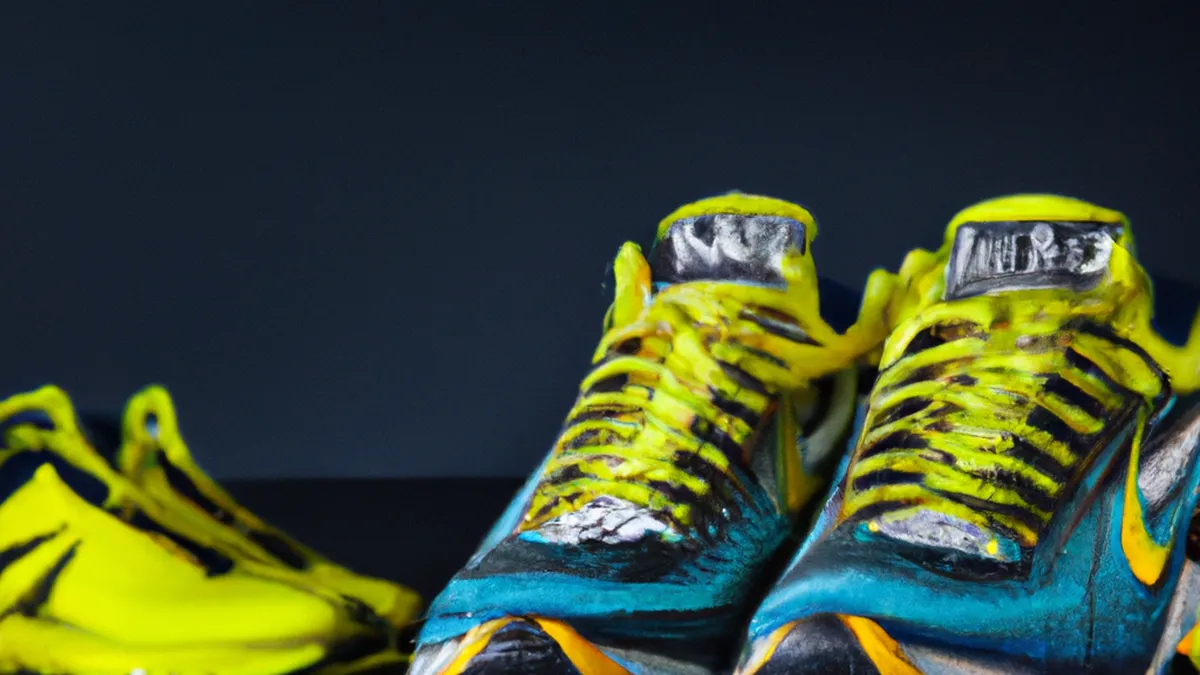
Foot Placement Myths Every Runner Should Know
Foot Placement During Running: Unlock Your Best PerformanceRunning is a natural exercise that humans have practiced for thousands of years. Many runners overlook an essential technique: foot placement. Proper foot placement maximizes efficiency and minimizes injury risk, allowing longer, more effective runs. Understanding foot interactions with the ground can transform your experience. Let’s explore essential aspects of foot placement.
Understanding Foot Strike Patterns
Foot strike patterns significantly impact running efficiency. Three primary types exist: heel strike, midfoot strike, and forefoot strike. Each has unique characteristics affecting performance and injury risk.
Heel Strike
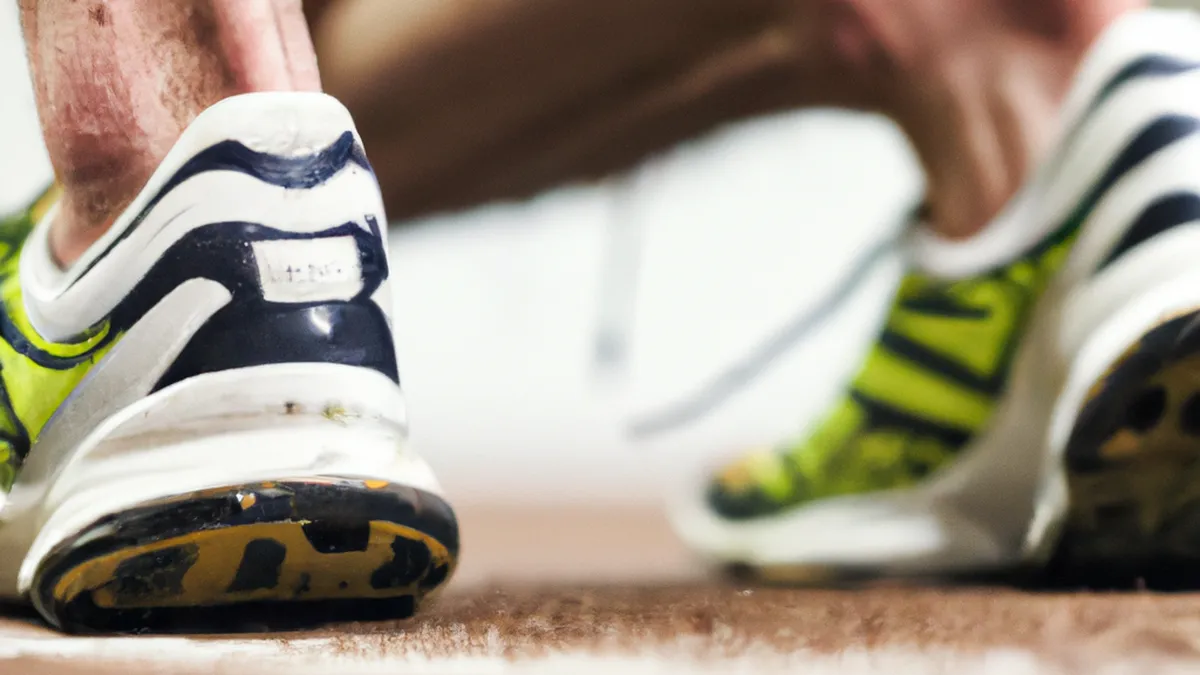
Heel striking occurs when the heel hits the ground first. This common pattern often appears among new runners. While prevalent, it can cause injuries due to high impact forces affecting knees, hips, and lower back. Heel striking creates a braking effect, slowing runners down and reducing efficiency. Many long-distance runners use this technique effectively with proper cushioning in their shoes.
Midfoot Strike
A midfoot strike happens when the middle of the foot lands first. This technique promotes better shock absorption and smoother transitions from foot strike to toe-off. Midfoot strikers often maintain a natural running gait, increasing efficiency and reducing injury risk. Many experienced runners favor this foot strike for its balance of speed and stability.
Forefoot Strike
Forefoot striking involves landing on the balls of your feet. Sprinters often prefer this style, associating it with an aggressive running approach. This technique can generate speed but requires strong calf muscles and a well-conditioned Achilles tendon. Transitioning from heel strike to forefoot should occur gradually to avoid strain, especially if your body is unaccustomed to the demands.
Tips for Improving Foot Placement
As an Amazon Associate I earn from qualifying purchases.
Gear tip: consider running shoes, gps running watch, and balance board to support this topic.
You can significantly enhance your running performance by improving foot placement. Here are practical tips to refine your technique.
Focus on Your Posture
Good posture is crucial for effective foot placement. Stand tall with your head up and shoulders relaxed. Keep your hips aligned over your feet, leaning slightly forward from the ankles. This alignment encourages proper foot strike and reduces injury risk. Incorporate core-strengthening exercises into your routine to support good posture.
Shorten Your Stride
Overstriding, where the foot lands too far in front, can cause heel strikes and injuries. Aim for a shorter, quicker stride. Focus on landing your foot beneath your body rather than ahead of it. This adjustment improves foot placement and enhances overall performance.
Conclusion
In summary, understanding foot placement and strike patterns can enhance your running efficiency and reduce injury risk.
Below are related products based on this post:
FAQ
What is foot placement and why is it important in running?
Foot placement refers to how your foot makes contact with the ground while running. Proper foot placement maximizes efficiency and minimizes injury risk, allowing for longer and more effective runs.
What are the different types of foot strike patterns?
There are three primary foot strike patterns: heel strike, midfoot strike, and forefoot strike. Each pattern has unique characteristics that can affect running performance and the risk of injury.
How can I improve my foot placement while running?
You can improve foot placement by focusing on your posture and shortening your stride. Standing tall with aligned hips and landing your foot beneath your body can enhance efficiency and reduce the likelihood of injuries.











Post Comment