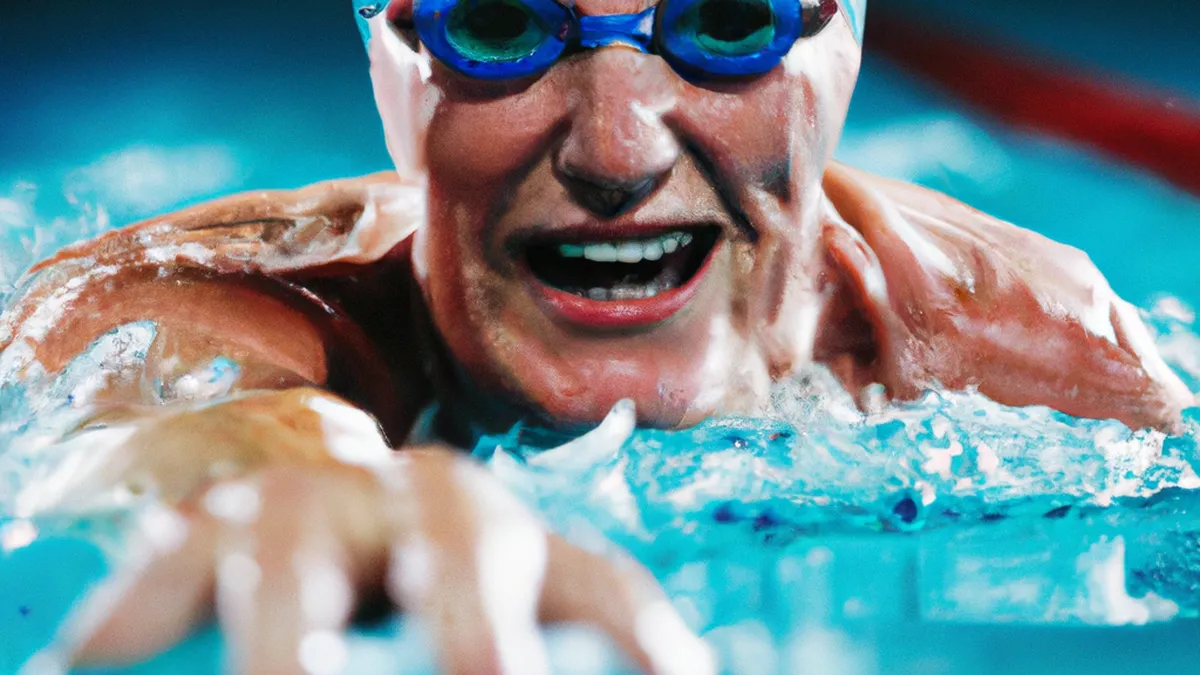
Flexible Swimmer: Routine for Maximum Reach
Flexibility Routines for Open-Water SwimmingOpen-water swimming thrills with vast water and unique challenges. To excel, you need strength, endurance, and flexibility. A structured flexibility routine enhances performance, improves stroke efficiency, and reduces injury risk. Discover effective flexibility routines designed for open-water swimmers.
Why Flexibility Matters for Open-Water Swimmers
Flexibility impacts your swimming technique. It allows greater joint motion and helps achieve efficient strokes. You glide through water with less resistance. Flexibility also reduces muscle tension, enabling longer swims without fatigue. In varying conditions, flexibility becomes essential for adapting to different strokes and movements.
Essential Flexibility Routines
As an Amazon Associate I earn from qualifying purchases.
Gear tip: consider stretching strap, yoga blocks, and mobility sliders to support this topic.
Incorporate specific flexibility routines into your training for significant benefits. Here are effective routines to include.
Dynamic Stretching Before Swimming
Dynamic stretching prepares your body for open-water swimming demands. It increases blood flow and enhances mobility.1. **Arm Circles**: Stand straight, extend arms, and make small circles. Gradually increase circle size for 30 seconds in both directions. 2. **Leg Swings**: Hold onto a wall for balance. Swing one leg forward and backward for 15 swings on each leg.3. **Torso Twists**: Stand with feet shoulder-width apart. Rotate your torso left and right for 30 seconds.
Static Stretching After Swimming
Static stretching maintains flexibility and reduces muscle soreness. Perform these stretches after your swim.1. **Shoulder Stretch**: Bring one arm across your body. Use the other arm to pull it closer. Hold for 20-30 seconds on each side.2. **Triceps Stretch**: Raise one arm overhead and bend the elbow. Use the other hand to push down on the elbow. Hold for 20-30 seconds on each side.3. **Hip Flexor Stretch**: Kneel on one knee with the other foot forward. Push your hips forward and hold for 20-30 seconds on each side.
Incorporating Flexibility Into Your Routine
To maximize flexibility benefits, consistency is key. Aim for flexibility routines at least three times a week.
Morning Stretching Sessions
Start your day with a short flexibility session. Spend 10-15 minutes focusing on major muscle groups. This routine sets a positive tone for the day and prepares your body for swimming.
Pre-Swim Warm-Up
Begin your swim with dynamic stretches. This warm-up takes 5-10 minutes and primes your muscles for the workout. Focus on movements that mimic your swimming strokes.
Post-Swim Cool Down
After swimming, dedicate time to static stretching. Spend 10-15 minutes targeting shoulders, back, and legs. This cool-down aids recovery and enhances flexibility.
Benefits of Flexibility Training
Flexibility training provides numerous benefits for open-water swimmers. First, it improves overall performance. A flexible athlete moves efficiently through water and conserves energy.Second, flexibility reduces injury risk. Tight muscles can cause strains and sprains. Maintaining flexibility keeps muscles and joints healthy, especially in unpredictable conditions.Lastly, flexibility enhances recovery. After intense swimming, tight muscles may require stretching to alleviate tension. This promotes quicker recovery and allows consistent training.
Conclusion
Incorporating flexibility routines into your open-water training is essential. These routines enhance performance and reduce injury risk. Start with dynamic stretches before swimming and follow with static stretches afterward. Consistency is vital; make flexibility a regular training part. Over time, you will notice improvements in stroke efficiency and enjoyment of open-water swimming. Embrace the water, stay flexible, and swim your best!
Below are related products based on this post:
FAQ
Why is flexibility important for open-water swimmers?
Flexibility is crucial for open-water swimmers as it enhances swimming technique by allowing greater joint motion. This leads to more efficient strokes and reduces resistance in the water. Additionally, flexibility helps to alleviate muscle tension, enabling longer swims without fatigue.
What are some effective flexibility routines for swimmers?
Effective flexibility routines for swimmers include dynamic stretching before swimming and static stretching afterward. Dynamic stretches like arm circles and leg swings prepare the body for swimming, while static stretches such as shoulder and hip flexor stretches help maintain flexibility and reduce soreness post-swim.
How often should swimmers incorporate flexibility training into their routine?
Swimmers should aim to incorporate flexibility routines at least three times a week for maximum benefits. Consistency is key, whether through morning stretching sessions, pre-swim warm-ups, or post-swim cool-downs, to enhance performance and reduce injury risk.
Part of the Complete Strength Training Guide
Explore more: Complete Strength Training Guide














Post Comment