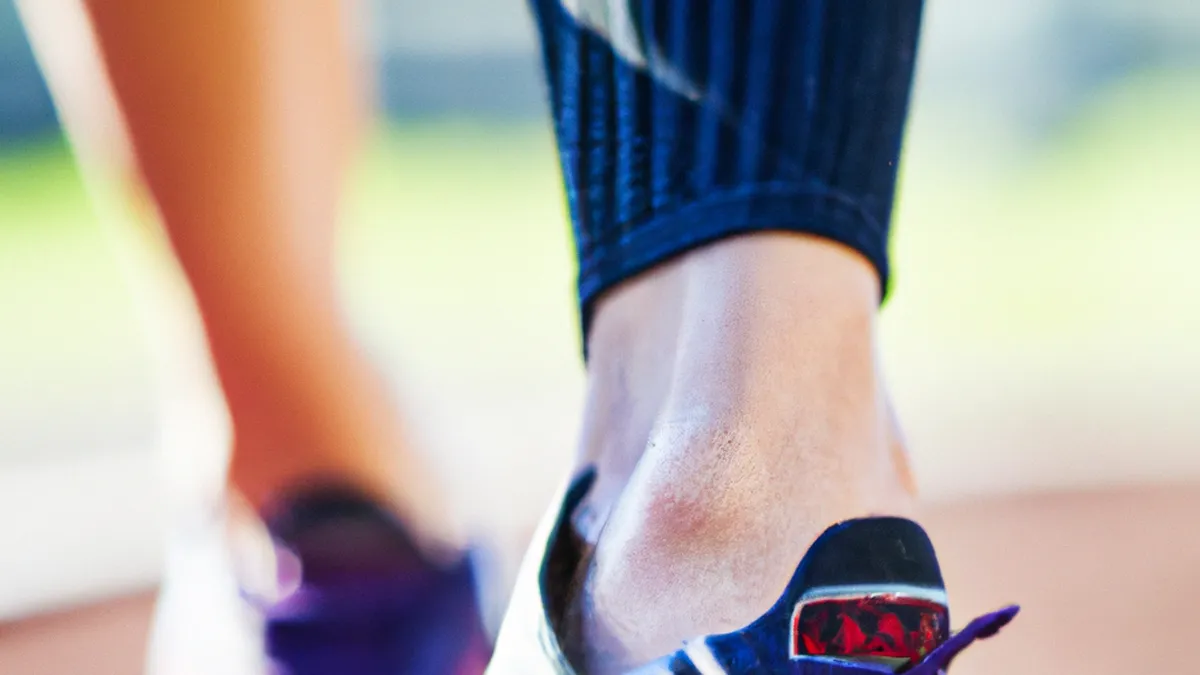
Flexibility vs Strength: Find Your Balance
Flexibility Training for Layered MovementsFlexibility training boosts physical performance, especially in complex activities. Layered movements require multiple joints and muscle groups working together. This synergy is vital for sports, dance, martial arts, and daily activities. Improved flexibility enhances range of motion, reduces injury risk, and elevates performance. In this blog post, we explore effective flexibility training strategies for layered movements.
As an Amazon Associate I earn from qualifying purchases.
Gear tip: consider mobility sliders, foam yoga wedge, and running shoes to support this topic.
Understanding Layered Movements
Layered movements combine actions, engaging various muscle groups and joints simultaneously. Activities like running, dancing, and martial arts require balance, strength, and flexibility. For example, executing a martial arts kick demands strong leg muscles and coordinated movement from hips, core, and arms.To excel, our bodies must perform complex movements fluidly and efficiently. Flexibility training plays a crucial role here, allowing muscles and joints to move easily. Enhanced flexibility helps practitioners reach their full potential in performance and injury prevention.
Tips for Effective Flexibility Training
1. Incorporate Dynamic Stretching
Dynamic stretching warms up muscles and prepares them for layered movements. Unlike static stretching, dynamic stretching involves active movements that mimic your planned activities. For example, perform leg swings, walking lunges, or arm circles before running.Start with a few minutes of dynamic stretches, gradually increasing intensity. Dynamic stretches enhance your range of motion, improve muscle coordination, and boost overall performance. Perform these movements in a controlled manner, focusing on form and fluidity.
2. Focus on Specific Muscle Groups
Targeting specific muscle groups effectively enhances flexibility and supports layered movements. Identify key muscles critical to your activities. For dancers, focus on hip flexors, hamstrings, quadriceps, and back muscles.Incorporate stretches for these areas. Perform seated forward bends for hamstrings, deep lunges for hip flexors, and cat-cow stretches for the back. Hold each stretch for 15-30 seconds, encouraging relaxation and lengthening. This focused approach leads to noticeable flexibility improvements over time.
3. Integrate Yoga and Pilates
Yoga and Pilates provide excellent flexibility training, emphasizing controlled movements and deep stretching. These practices promote flexibility and enhance body awareness, crucial for executing layered movements effectively.Consider incorporating these practices into your routine for optimal results.
Conclusion
Flexibility training significantly enhances performance in layered movements. Implement these strategies to improve flexibility and reduce injury risk.
Below are related products based on this post:
FAQ
What are layered movements?
Layered movements are activities that combine actions, engaging multiple muscle groups and joints simultaneously. Examples include running, dancing, and martial arts, which require balance, strength, and flexibility to perform effectively.
How does flexibility training benefit physical performance?
Flexibility training enhances range of motion and reduces the risk of injury, which is vital for optimal performance in various activities. By improving flexibility, individuals can execute complex movements more fluidly and efficiently.
What are some effective strategies for flexibility training?
Effective strategies include incorporating dynamic stretching to warm up muscles, focusing on specific muscle groups relevant to your activities, and integrating practices like yoga and Pilates. These approaches enhance flexibility and support the execution of layered movements.














Post Comment