Examine the Rise of Urban Fitness Spaces
The Evolution of Urban Fitness Parks: A Historical Perspective
Urban fitness parks have transformed from simple playgrounds into essential spaces for health, well-being, and community engagement. These parks now serve as dynamic hubs for physical activity, meeting the diverse needs of urban populations. This blog explores the historical journey of urban fitness parks and highlights their evolution and significance.
The Origins of Fitness Parks
In the early 20th century, cities designed parks for leisure activities. Families enjoyed picnics, games, and relaxation in these spaces. As public awareness of health and fitness grew, people recognized the need for areas dedicated to physical exercise.
The fitness revolution of the 1970s marked a significant change. Gym culture and popular exercise programs increased awareness of physical activity’s importance. Local governments integrated fitness equipment into parks, creating the first urban fitness parks. These early installations featured basic equipment like pull-up bars and benches, laying the groundwork for future developments.
The Rise of Outdoor Gyms
In the 1980s, outdoor gyms gained popularity. These facilities provided free access to fitness tools, allowing residents to exercise without costly memberships. Communities welcomed this democratization of fitness, promoting regular exercise as a vital lifestyle choice.
By the 1990s, urban planners recognized the need for inclusive and accessible spaces. Fitness parks expanded their offerings to cater to various fitness levels, ages, and abilities. This shift emphasized that physical fitness should be accessible to everyone, regardless of background or financial status.
The Modern Fitness Park Revolution
The 21st century has brought innovative designs to urban fitness parks. Cities now view these parks as vital components of urban infrastructure that enhance residents’ well-being.
Incorporating Nature
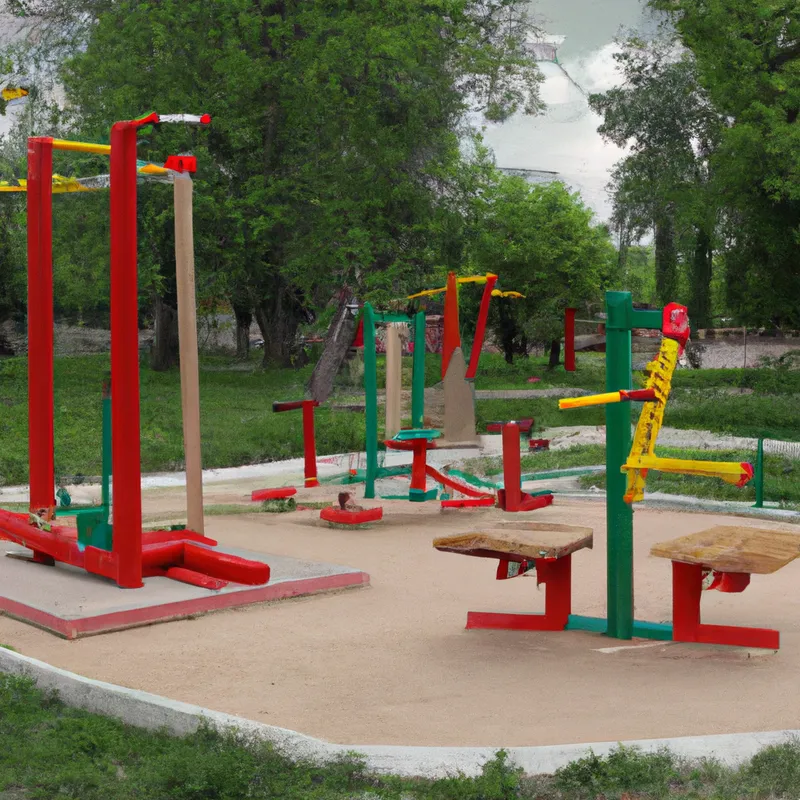
Modern fitness park design increasingly incorporates natural elements. Urban planners blend exercise facilities with green spaces, encouraging outdoor activity. Many parks now feature walking and jogging trails alongside workout areas, promoting a holistic fitness approach that connects physical activity with nature.
This integration serves multiple purposes, enhancing the aesthetic appeal of fitness parks and fostering a more inviting atmosphere.
Conclusion
Urban fitness parks have evolved significantly, reflecting changing community needs and preferences. They now play a crucial role in promoting health and well-being in urban areas.
Below are related products based on this post:
FAQ
What were the initial purposes of urban parks in the early 20th century?
In the early 20th century, urban parks were primarily designed for leisure activities. Families used these spaces for picnics, games, and relaxation as a way to enjoy the outdoors.
How did the fitness revolution of the 1970s impact urban fitness parks?
The fitness revolution of the 1970s significantly changed urban fitness parks by increasing public awareness of physical activity’s importance. This led local governments to integrate fitness equipment into parks, creating the first urban fitness parks with basic installations such as pull-up bars and benches.
What modern elements are included in today’s urban fitness parks?
Today’s urban fitness parks feature innovative designs that incorporate natural elements, blending exercise facilities with green spaces. This approach encourages outdoor activity by providing walking and jogging trails alongside workout areas, promoting a holistic fitness experience that connects physical activity with nature.














Post Comment