Equal Play: Advocating for Women’s Sports
Tackling Gender Stereotypes in SportsGender stereotypes in sports harm athletes and fans. They dictate who can participate, limiting opportunities for talented individuals, especially women. Together, we can dismantle these stereotypes. Let’s explore practical tips and the benefits of inclusivity in sports.
Understanding Gender Stereotypes in Sports
Stereotypes in sports suggest that some sports are “for boys” or “for girls.” For example, people often view football as masculine and gymnastics as feminine. These perceptions discourage individuals from pursuing their passions and reduce participation in various sports.Media representation fuels these stereotypes. When media highlights male athletes, it implies they hold more importance or skill. This lack of visibility creates an unwelcoming environment for aspiring female athletes. For instance, the FIFA World Cup receives massive coverage, while the Women’s World Cup garners less attention, despite showcasing extraordinary talent. Recognizing these issues sparks meaningful change.
The Impact of Gender Stereotypes on Athletes
As an Amazon Associate I earn from qualifying purchases.
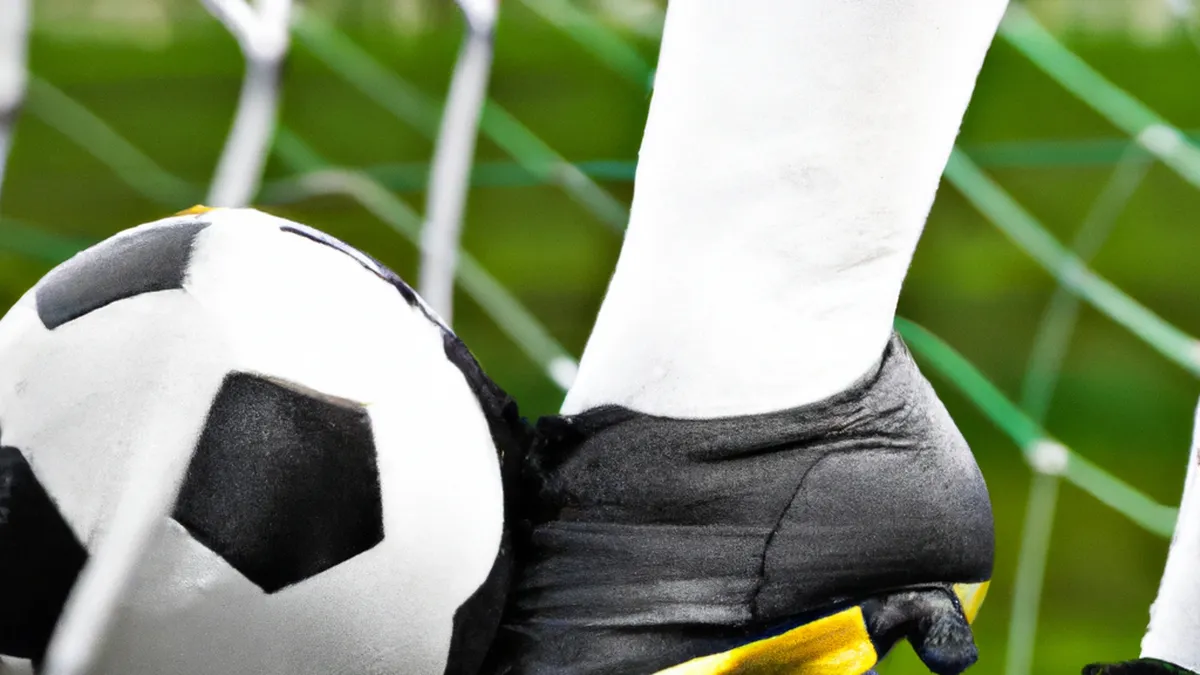
Gear tip: consider football, soccer ball, and soccer cleats to support this topic.
Gender stereotypes profoundly impact athletes. Female athletes face societal pressure to conform to traditional roles, leading to feelings of inadequacy and lack of support. This pressure manifests in harsh performance judgments and scrutiny of their appearance. Critics often judge female athletes for strength and competitiveness, qualities celebrated in males.Young girls often hesitate to join certain sports due to fears of teasing. This hesitation creates a significant gender gap in sports participation, affecting physical health, self-esteem, and personal growth. Understanding these detrimental effects helps us address stereotypes and promote equity in sports.
Tips for Breaking Down Stereotypes
1. Promote Equal Opportunities
Encourage organizations to provide equal opportunities for all genders. This includes funding, resources, and training. Schools and community programs should ensure equal access to teams, coaching, and facilities. Equal participation challenges the status quo and fosters inclusivity.
2. Highlight Diverse Role Models
Showcase diverse role models in sports. Share success stories of female athletes, transgender athletes, and individuals from various backgrounds. When young athletes see relatable role models, they feel empowered to pursue their dreams. Highlight these figures in schools, community centers, and media to inspire the next generation.
3. Use Inclusive Language
Promote inclusive language in sports commentary and reporting. Avoid terms that reinforce stereotypes. Instead, use language that respects and acknowledges all athletes.
Conclusion
Addressing gender stereotypes in sports requires collective effort. By promoting equal opportunities, showcasing diverse role models, and using inclusive language, we can foster a more equitable sporting environment.
Below are related products based on this post:
FAQ
What are gender stereotypes in sports?
Gender stereotypes in sports are preconceived notions that dictate which sports are deemed appropriate for boys or girls. For instance, football is often viewed as a masculine sport, while gymnastics is seen as feminine. These stereotypes limit participation and discourage individuals from pursuing their interests in various sports.
How do gender stereotypes affect female athletes?
Female athletes often face societal pressure to conform to traditional gender roles, which can lead to feelings of inadequacy and a lack of support. They are frequently judged not only on their performance but also on their appearance, which is a stark contrast to the way male athletes are celebrated for their strength and competitiveness.
What can be done to break down these stereotypes?
To break down gender stereotypes in sports, we can promote equal opportunities for all genders, highlight diverse role models, and use inclusive language in commentary and reporting. These actions can foster inclusivity and empower aspiring athletes to pursue their dreams without the constraints of societal expectations.














Post Comment