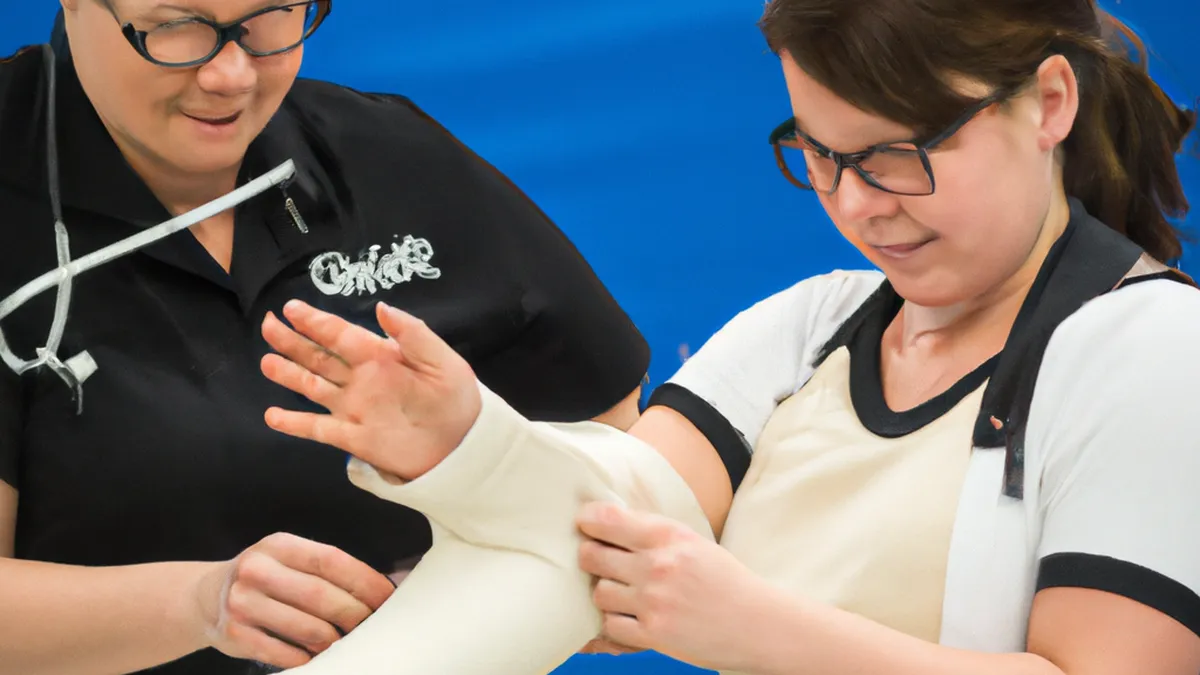
Emergency Fracture Solutions for Coaches
Stabilizing Fractures in the Field: A Comprehensive GuideIn emergencies, stabilizing fractures saves lives. Whether hiking, playing sports, or responding to an accident, knowing how to stabilize fractures is vital. This guide offers essential tips and advice to prepare you for these situations.
Understanding Fractures
Fractures occur when excessive force breaks a bone. They can happen during sports, falls, or accidents, varying from minor to severe. Recognizing these injuries helps in effective stabilization. Common fracture symptoms include:- Severe pain at the injury site- Swelling and bruising- Limb deformity- Inability to move the affected area- Grating sound or sensation during movementIf you suspect a fracture, act quickly to stabilize and prevent further injury.
Types of Fractures
Fractures fall into several categories, each needing different stabilization approaches. Here are the most common types:1. **Closed Fractures:** The skin stays intact, without an open wound. These require immediate care to avoid further damage.2. **Open Fractures:** The bone breaks through the skin, creating an open wound. These are serious and need immediate medical attention.3. **Greenstick Fractures:** These mostly occur in children, where the bone bends and cracks but doesn’t break completely. Handle them carefully to prevent further injury.4. **Comminuted Fractures:** The bone shatters into several pieces. This complex fracture may need surgical intervention.
Assessing the Injury
Before stabilizing a fracture, assess the injury. Start by checking the ABCs: Airway, Breathing, and Circulation. Ensure the person can breathe and has a pulse. Look for signs of shock. If the person appears pale, clammy, or disoriented, call for professional help immediately.
Initial First Aid Steps
Once you confirm safety and stability, follow these first aid steps:1. **Comfort the Injured Person:** Reassure them that help is coming. Keep them calm and still to avoid further injury.2. **Do Not Move the Injured Area:** Avoid moving the limb unless facing a life-threatening situation. Movement can worsen the injury.3. **Control Bleeding, if Necessary:** For an open fracture, apply gentle pressure with a clean cloth or bandage to control bleeding.
Tips for Stabilizing Fractures
As an Amazon Associate I earn from qualifying purchases.
Gear tip: consider sports first aid kit, kt tape, and blister pads to support this topic.
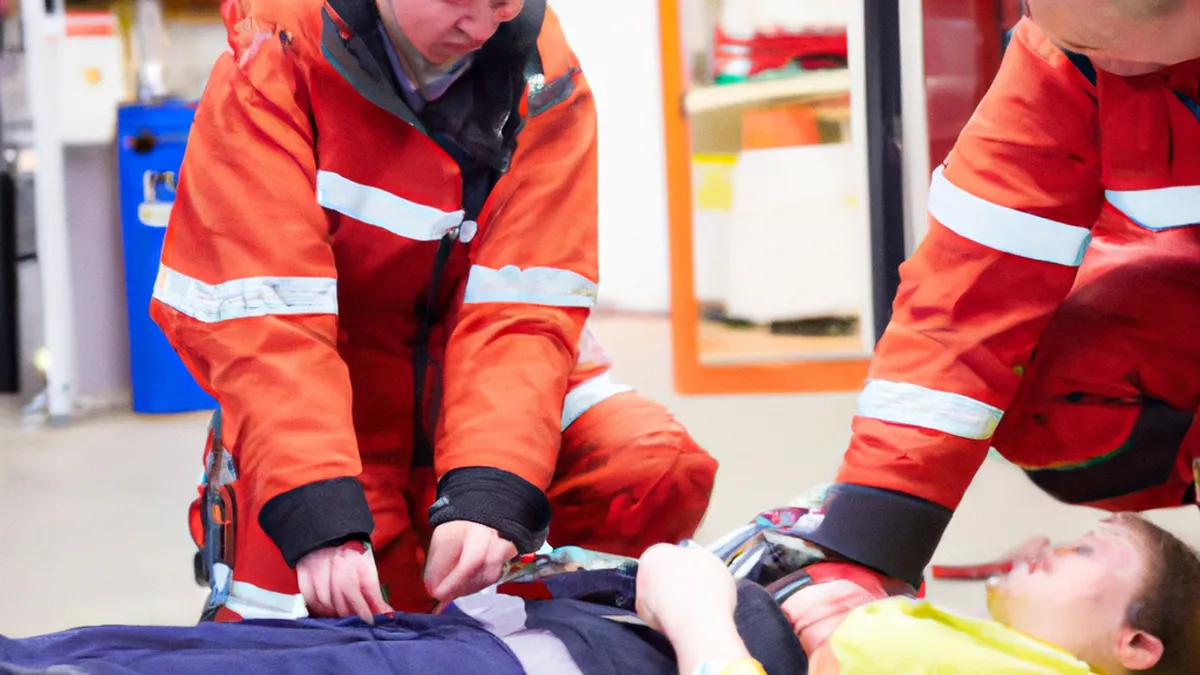
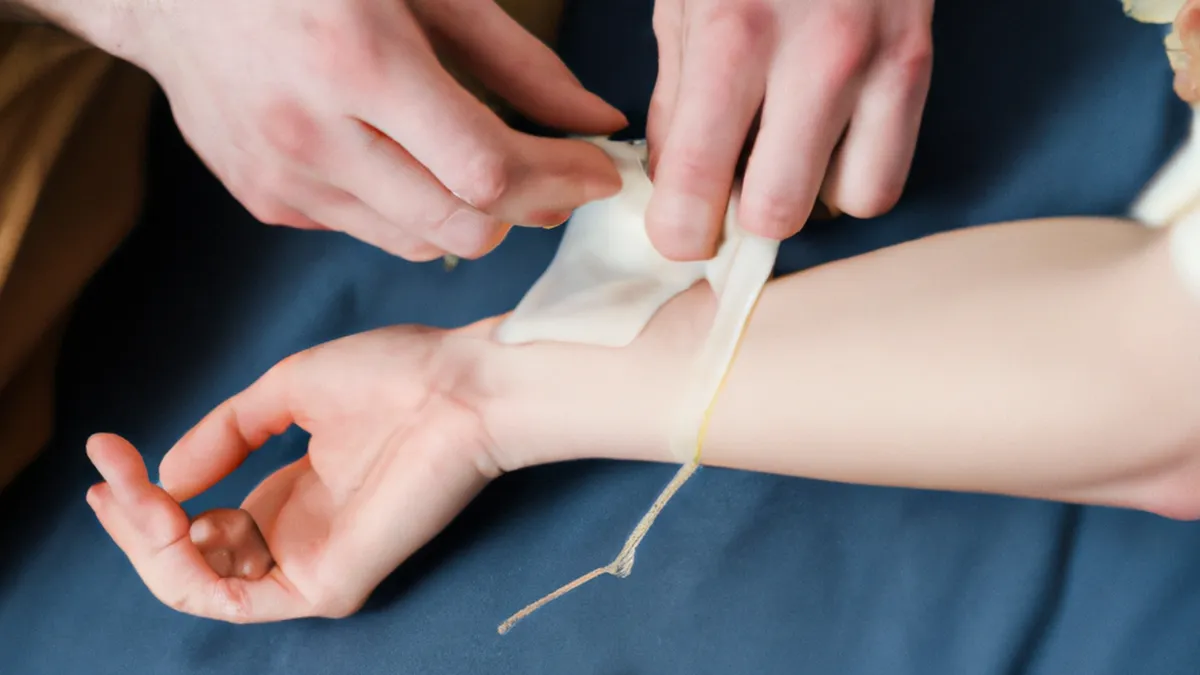
Stabilizing a fracture keeps the injured area immobile to prevent further damage.
Conclusion
Stabilizing fractures in the field requires quick action and knowledge. Follow these guidelines to ensure effective care.
Below are related products based on this post:
FAQ
What should I do if I suspect a fracture?
If you suspect a fracture, it is crucial to act quickly to stabilize the injury and prevent further damage. Assess the injury by checking the person’s airway, breathing, and circulation. If there are signs of shock, call for professional help immediately.
What are the different types of fractures?
Fractures can be classified into several types, including closed fractures, open fractures, greenstick fractures, and comminuted fractures. Each type requires different stabilization approaches, with open fractures needing immediate medical attention due to the risk of infection.
How can I stabilize a fracture in the field?
To stabilize a fracture, comfort the injured person and keep them calm while avoiding movement of the injured area. If there is an open fracture, control any bleeding with gentle pressure. Immobilizing the injury is essential to prevent further damage until professional help arrives.












Post Comment