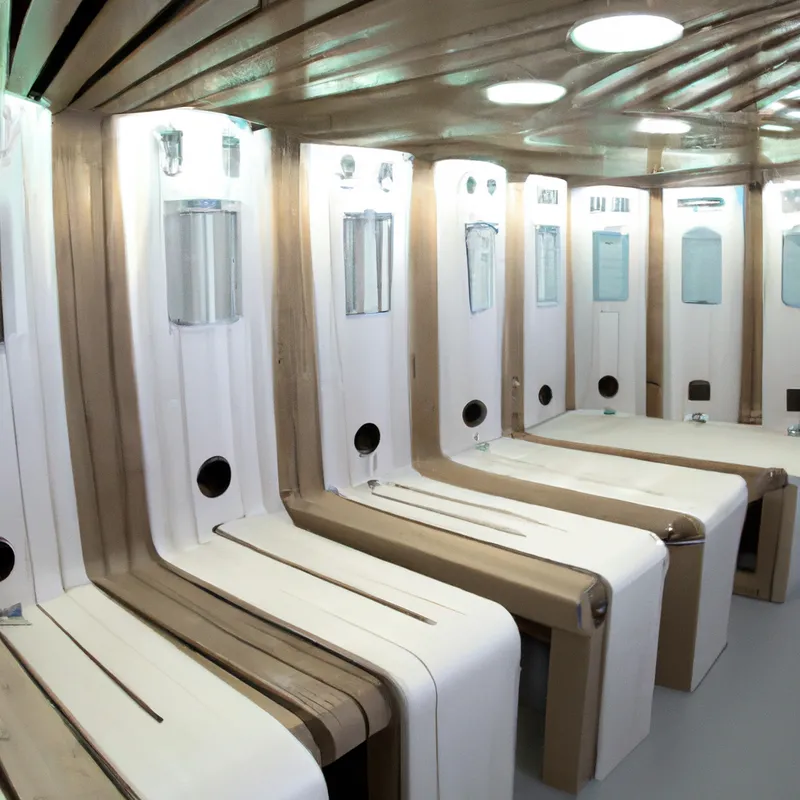
Elevate Your Spa Day: Try Contrast Therapy Now
Exploring the Use of Contrast Therapy in Spa Treatments
Recently, spas have embraced contrast therapy for its popularity. This innovative technique combines hot and cold elements to enhance relaxation and recovery. Spa-goers increasingly discover contrast therapy’s benefits for their bodies and minds. This blog post explores contrast therapy, its applications, and its numerous advantages.
What is Contrast Therapy?
Contrast therapy alternates between hot and cold treatments. You can soak in a hot bath, then take a cold shower or use hot stones with ice packs. This method stimulates circulation and enhances recovery through temperature changes.
In a typical session, a person starts with warm treatments like a hot tub or steam room. Heat dilates blood vessels, increasing blood flow and relaxing muscles. After some time, the individual switches to cold treatments like a cold plunge pool or ice pack. Cold exposure constricts blood vessels, reducing inflammation and numbing pain. This cycle continues, providing an invigorating experience.
The Mechanisms Behind Contrast Therapy
Contrast therapy works by creating physiological responses in the body. Heat exposure prompts the body to cool itself through sweating and increased blood circulation. Cold exposure triggers vasoconstriction, reducing blood flow to affected areas and minimizing swelling. Alternating between these states leads to improved circulation, enhanced muscle recovery, and increased flexibility.
Tips for Enjoying Contrast Therapy
1. **Start Slowly**
If you are new to contrast therapy, ease into it. Begin with short intervals of heat and cold exposure. Gradually increase the duration as your body adapts. This approach prevents shock and enhances your experience.
2. **Listen to Your Body**
Tune into your body’s signals during treatments. Pay attention to your feelings. If something feels uncomfortable, stop immediately. Everyone’s tolerance for heat and cold varies, so adjust temperatures to match your comfort level.
3. **Stay Hydrated**
Hydration is vital during contrast therapy. Hot treatments can cause sweating and fluid loss, so drink water before, during, and after your session. Maintaining fluid balance enhances therapy benefits.
Common Applications of Contrast Therapy
Spa Treatments
Many spas now incorporate contrast therapy into their services. They recognize its effectiveness and appeal. Treatments may include hot stone massages followed by cold applications.
Conclusion
Contrast therapy offers numerous benefits for relaxation and recovery. Embrace this innovative technique to enhance your spa experience.
Below are related products based on this post:
FAQ
What are the primary benefits of contrast therapy in spa treatments?
Contrast therapy enhances relaxation and recovery by alternating between hot and cold treatments, which stimulates circulation, reduces inflammation, and promotes muscle recovery. This technique helps improve overall well-being and can lead to a more invigorating spa experience.
How should beginners approach contrast therapy?
Beginners should start slowly by using short intervals of heat and cold exposure. Gradually increasing the duration as your body adapts is important to prevent shock and discomfort. Listening to your body’s signals is essential to ensure a safe and enjoyable experience.
Why is hydration important during contrast therapy?
Hydration is crucial during contrast therapy because hot treatments can cause sweating and fluid loss. Drinking water before, during, and after your session helps maintain fluid balance, enhancing the benefits of the therapy and ensuring overall comfort.













Post Comment