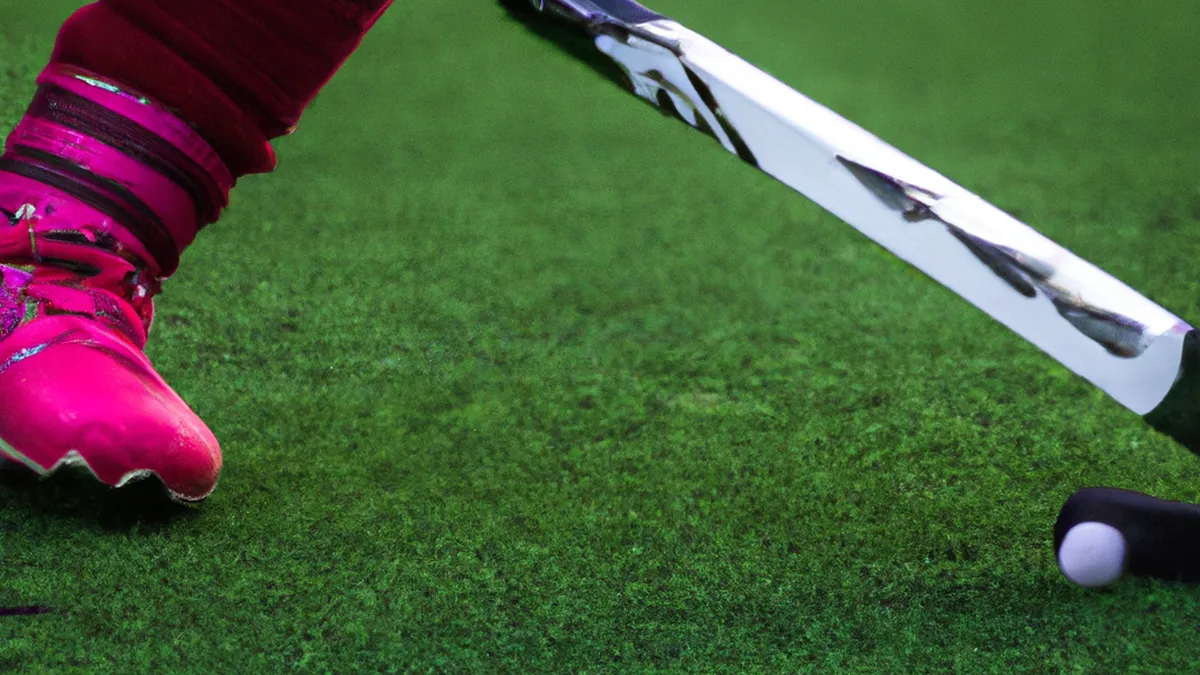
Elevate Your Game: Stickhandling Tips
Stickhandling Under Pressure Drills: Master Your GameStickhandling is essential for any hockey player. Players must maintain puck control and maneuver effectively under pressure. This blog post explores key stickhandling drills that enhance your skills in high-pressure situations, making you a stronger player on the ice.
The Importance of Stickhandling Under Pressure
Handling the puck under pressure can determine game outcomes. Defenders try to strip the puck, and teammates require quick passes. Mastering stickhandling under pressure helps you maintain control and create scoring opportunities.Additionally, improving this skill boosts your confidence. When you handle the puck well, you can focus on plays instead of worrying about losing control. Keeping your composure under pressure proves invaluable in practice and competitive situations.In high-stakes situations, such as playoff games, the pressure increases. Players who handle the puck well often find scoring opportunities or make game-winning plays. Therefore, developing this skill is crucial for serious hockey players.
Key Stickhandling Drills to Try
As an Amazon Associate I earn from qualifying purchases.
Gear tip: consider hockey stick, shin guards, and mouthguard to support this topic.
Here are effective drills to improve your stickhandling under pressure.
1. Obstacle Course
Set up an obstacle course to simulate pressure situations. Use cones, pucks, or markers to create a zigzag pattern on the ice. Start at one end and maneuver through the obstacles while controlling the puck and changing direction.To increase difficulty, add a defender who applies pressure by trying to poke the puck away. This tests your control and decision-making skills. As you progress, vary your speed and intensity. The goal is to develop quick, controlled movements while remaining aware of your surroundings.
2. 1-on-1 Battles
Pair up with a teammate for this drill. One player starts with the puck while the other plays defense. The objective is to maintain puck control and attempt to score.This drill replicates game-like situations and helps you develop quick decision-making skills. As the offensive player, use your body to shield the puck and evade the defender. As the defender, practice positioning and timing to pressure the puck effectively.
3. Puck Protection Drill
This drill emphasizes puck protection in tight spaces. Start with the puck in a corner while a partner tries to check you off the puck.Your goal is to protect the puck using your body while making quick moves. Move around the ice and change direction frequently to simulate real-game scenarios. This drill enhances your ability to handle pressure while maintaining control and anticipating the defender’s moves.
4. Quick Hands Drill
Use a stationary object to practice quick hands and puck control.
Conclusion
In summary, mastering stickhandling under pressure is vital for hockey players. Practice these drills to enhance your skills and confidence on the ice.
Below are related products based on this post:
FAQ
Why is stickhandling under pressure important in hockey?
Stickhandling under pressure is crucial as it can determine the outcome of games. Players need to maintain puck control while facing defenders and make quick passes to teammates. Mastering this skill allows players to focus on making plays rather than worrying about losing the puck.
What are some effective drills for improving stickhandling?
Effective drills include the obstacle course, 1-on-1 battles, puck protection drills, and quick hands drills. These exercises simulate pressure situations and help players develop control, decision-making, and puck protection skills. Regular practice of these drills enhances overall stickhandling ability.
How does practicing stickhandling boost a player’s confidence?
Practicing stickhandling boosts a player’s confidence by improving their ability to handle the puck effectively under pressure. When players can maintain control in challenging situations, they can focus on executing plays rather than fearing mistakes. This confidence is invaluable during both practice and competitive games.














Post Comment