Elevate Training Using Force Plate Data
The Role of Force Plates in Assessing Athletic Longevity
Athletes strive for peak performance throughout their careers. However, sustaining that performance proves challenging. Injuries and overtraining often disrupt careers. Fortunately, technology offers valuable solutions. Force plates play a critical role in assessing athletic longevity. They provide insights into biomechanics and overall health. This blog explores force plates’ role in promoting long-term athletic success.
Understanding Force Plates
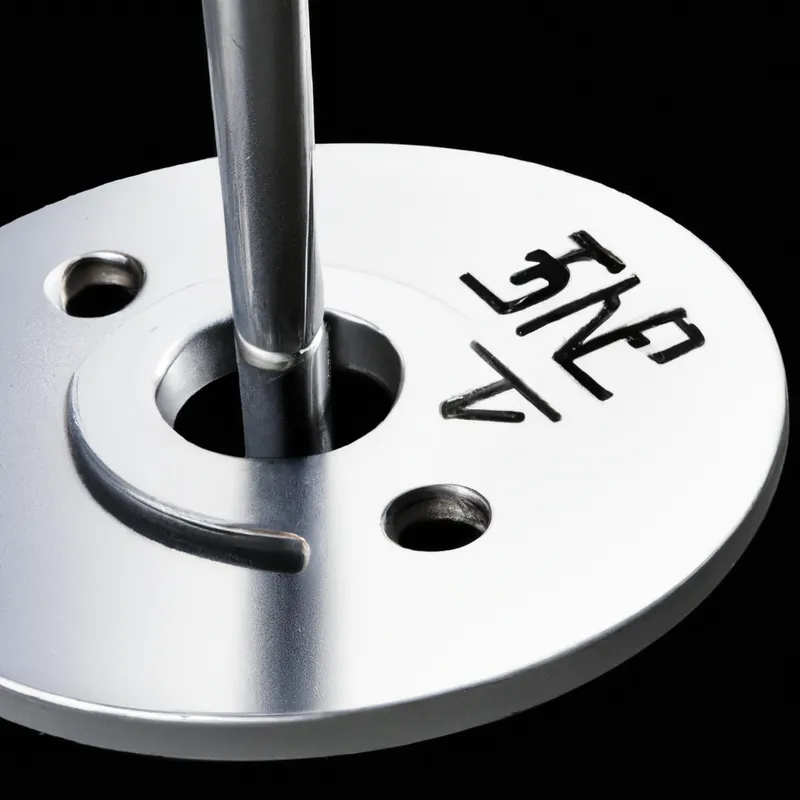
Force plates measure ground reaction forces during physical activities. They analyze athletes’ interactions with the ground during running, jumping, and lifting. This data helps identify strengths and weaknesses in biomechanics, informing training and rehabilitation.
How Force Plates Work
When athletes step on force plates, sensors record forces exerted in multiple directions. They capture both vertical and horizontal forces. This data is vital for understanding performance. For instance, during a vertical jump, force plates measure generated force and upward motion efficiency.
Key Metrics to Monitor
Force plates provide various metrics for analysis:
1. **Vertical Jump Height**: Measures explosive power, crucial for many sports.
2. **Ground Contact Time**: Indicates an athlete’s reaction speed and directional change, essential for agility.
3. **Balance**: Assesses stability and fall risk, particularly for sports requiring quick movements.
4. **Symmetry**: Evaluates force application on both body sides, highlighting potential injury risks.
Coaches can track progress by monitoring these metrics over time.
The Importance of Regular Assessments
Regular assessments maximize force plates’ benefits. Frequent evaluations help identify trends and potential issues early on. This proactive approach allows timely interventions, such as modifying training programs or implementing corrective exercises.
Periodicity of Assessments
Assessment frequency depends on the athlete’s sport, training phase, and individual needs. Elite athletes may benefit from assessments every few weeks. Recreational athletes might conduct them quarterly. Finding a balance ensures sufficient data for training decisions without overwhelming the athlete is key.
Incorporating Data into Training
Integrate force plate data into the athlete’s training regimen. Here are practical strategies for utilizing this data effectively:
Tailored Training Programs
Use insights from assessments to create tailored training programs. If an athlete shows reduced vertical jump height, focus on plyometric and strength training exercises. If ground contact time is excessive, incorporate agility drills that emphasize quick foot movement.
Conclusion
Force plates significantly enhance assessments of athletic longevity. They provide critical insights for improving performance and preventing injuries. Regular assessments and tailored training programs maximize athlete success.
Below are related products based on this post:
FAQ
What are force plates and how do they work?
Force plates are devices that measure ground reaction forces during physical activities. When athletes step on them, sensors capture forces exerted in multiple directions, including both vertical and horizontal forces. This data helps analyze performance, such as during a vertical jump, where it measures the force generated and the efficiency of upward motion.
Why are regular assessments with force plates important for athletes?
Regular assessments with force plates are crucial as they help identify trends and potential issues early on. Frequent evaluations allow for timely interventions, such as adjusting training programs or implementing corrective exercises, which ultimately maximizes the benefits of force plates and promotes athletic longevity.
How can force plate data be integrated into an athlete’s training program?
Force plate data can be integrated into training by creating tailored programs based on assessment insights. For example, if an athlete has a reduced vertical jump height, the training can focus on plyometric and strength exercises. If ground contact time is excessive, agility drills that emphasize quick foot movement can be incorporated to enhance performance.












Post Comment