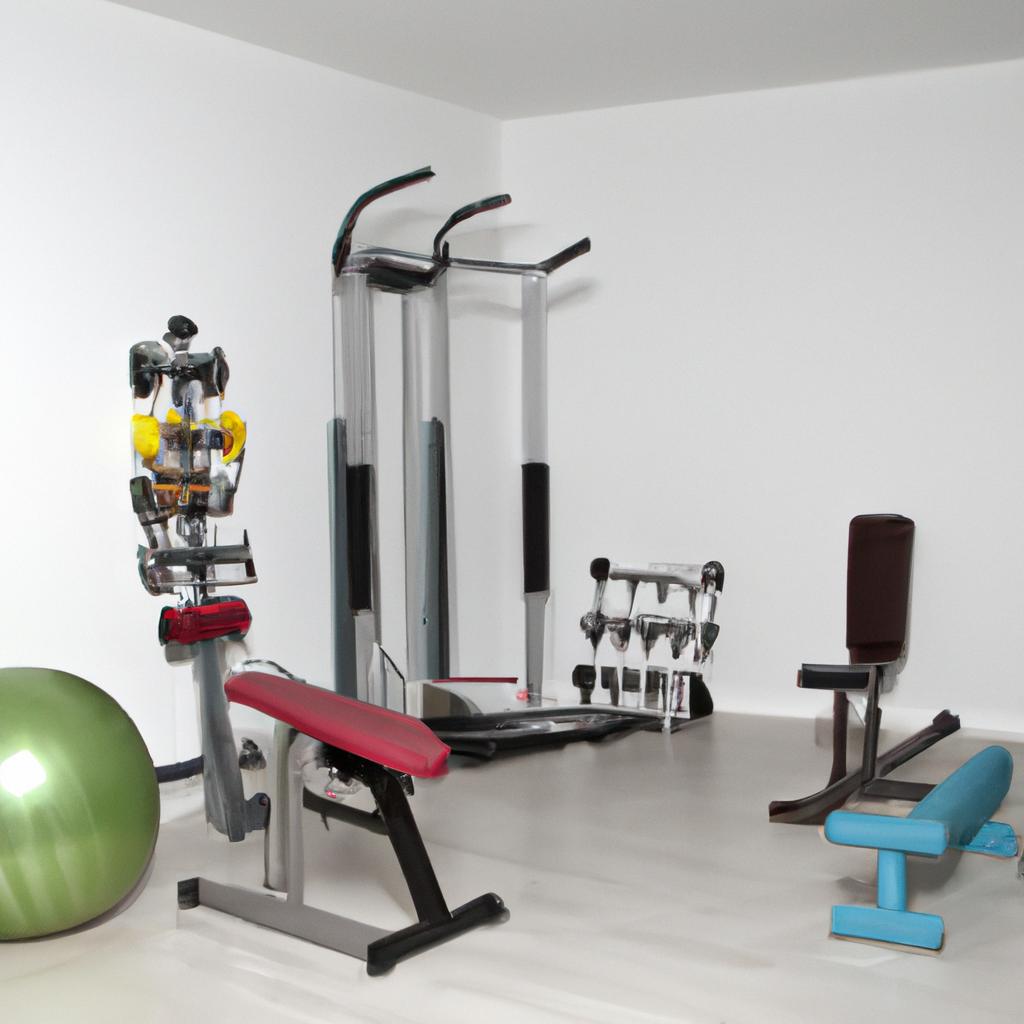
**”Designing a Multi-Functional Home Gym: Innovative Solutions for Maximizing Space and Versatility in Small Areas”**
# Designing a Multi-Functional Home Gym: Innovative Solutions for Maximizing Space and Versatility in Small Areas
Creating a home gym can seem like a daunting task, especially when you’re working with limited space. However, with the right design strategies and equipment choices, you can transform even the smallest area into a versatile workout haven. This post will guide you through innovative solutions for designing a multi-functional home gym that maximizes space while offering a variety of exercise options.
## Understanding Your Space
### Assessing Available Space
Before diving into equipment and design, take a moment to assess your available space. Whether you have a spare room, a corner of your living area, or even a balcony, every inch counts. Measure the area and note any features like windows, doors, or furniture that could impact your gym layout.
### Defining Your Fitness Goals
Identifying your fitness goals is crucial to determining the type of equipment and exercises you’ll want to incorporate. Are you focused on strength training, cardio, flexibility, or a combination? Knowing your objectives will help you select the most appropriate and space-efficient solutions.
## Innovative Design Solutions
### Modular Equipment
Invest in modular or multi-functional equipment that can serve various purposes. For instance:
– **Resistance Bands:** These take up minimal space and can be used for strength training, stretching, and rehabilitation exercises.
– **Adjustable Dumbbells:** Instead of a full set of weights, adjustable dumbbells allow you to customize the weight according to your workout needs.
– **Foldable Equipment:** Look for foldable benches or exercise mats that can be easily stored away when not in use.
### Wall-Mounted Solutions
Utilizing vertical space can significantly enhance your gym’s functionality. Consider the following wall-mounted options:
– **Pull-Up Bars:** These can be installed in doorways or on walls and can be used for a variety of exercises, from pull-ups to hanging leg raises.
– **Wall-Mounted Storage:** Shelves or pegboards can keep your equipment organized and accessible, maximizing floor space.
### Multi-Use Furniture
Repurpose existing furniture to serve dual functions. For instance, an ottoman can double as a storage box for weights or resistance bands. A sturdy coffee table may also serve as a platform for bodyweight exercises like step-ups or tricep dips.
## Nutrition Tips for Optimal Performance
### The Importance of Nutrition
A well-structured workout routine goes hand-in-hand with proper nutrition. Fueling your body with the right nutrients can enhance performance, improve recovery, and support your fitness goals.
### Pre-Workout Nutrition
Consume a balanced snack or meal 30 to 60 minutes before exercising. Focus on carbohydrates for energy, along with some protein to support muscle function. Good options include:
– Greek yogurt with fruit
– A banana with nut butter
– Oatmeal with nuts and berries
### Post-Workout Nutrition
After your workout, replenish your body with a mix of protein and carbohydrates to aid recovery. Options include:
– A protein shake with a banana
– Grilled chicken or tofu with sweet potatoes
– A smoothie packed with spinach, protein powder, and berries
## Exercise Advice for Small Spaces
### Bodyweight Exercises
Bodyweight exercises are ideal for small areas, as they require little to no equipment and can be performed anywhere. Incorporate movements such as:
– Push-ups
– Squats
– Lunges
– Planks
– Burpees
### Circuit Training
Maximize your workout efficiency by incorporating circuit training. This involves performing a series of exercises back-to-back with minimal rest in between. Not only does this save time, but it also keeps your heart rate elevated for improved cardiovascular benefits.
### Virtual Workouts
Consider leveraging technology by participating in online workout classes. Many platforms offer a variety of workouts tailored for small spaces, from yoga to high-intensity interval training (HIIT) sessions.
## Health Benefits of a Home Gym
### Convenience and Consistency
Having a home gym allows you to work out whenever it fits your schedule, eliminating barriers such as travel time to a commercial gym. This convenience fosters consistency, which is key to achieving fitness goals.
### Cost-Effectiveness
While the initial investment in equipment might seem significant, a home gym can save you money in the long run by eliminating gym membership fees and travel expenses.
### Mental Wellbeing
Regular exercise is known to reduce stress, anxiety, and depression. A home gym provides a private space for you to unwind and focus on your health, contributing to overall mental wellbeing.
## Conclusion
Designing a multi-functional home gym in a small space is both achievable and rewarding. By thoughtfully selecting equipment, utilizing innovative design solutions, and incorporating a balanced approach to nutrition and exercise, you can create a personal fitness sanctuary that suits your lifestyle. Remember, the key to success is consistency and adaptability—experiment with different routines and equipment until you find what works best for you. Embrace the journey to health and fitness right from the comfort of your home!














Post Comment