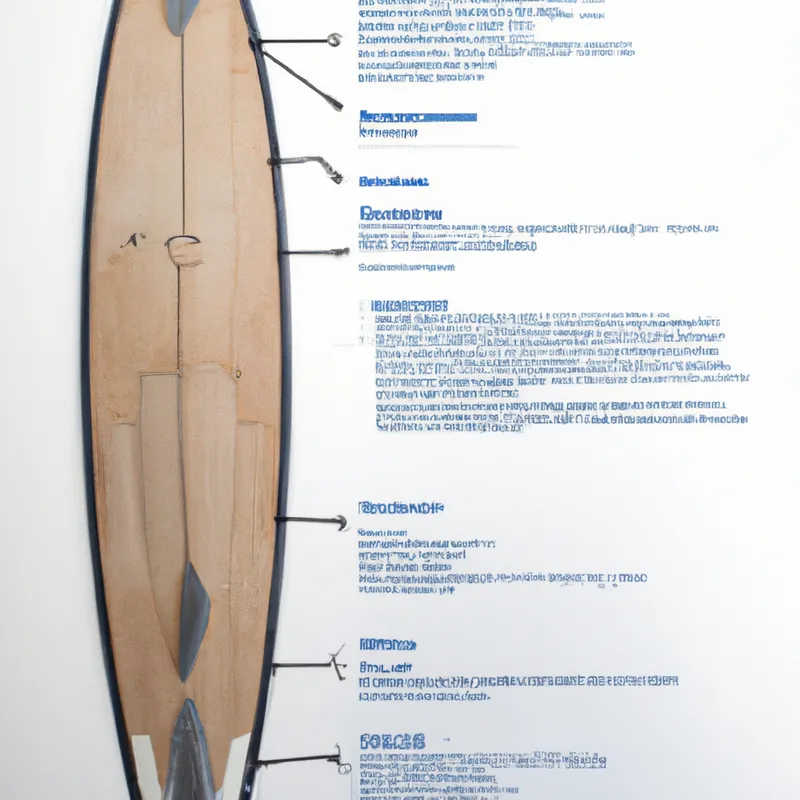
Demystify Surfboard Parts for Better Performance
The Anatomy of a Surfboard: Understanding Its Components
Surfing combines adventure, nature, and personal expression. To enjoy this experience, understand your surfboard’s components. Each part serves a specific purpose that enhances your ride. This blog post explores the anatomy of a surfboard, focusing on its various parts.
Components of a Surfboard
Understanding surfboard components helps you choose the right one. Let’s break down its main elements:
1. The Board Shape
The board shape significantly affects performance. Common shapes include:
– **Shortboards:** These boards measure less than 7 feet and excel in performance. They suit experienced surfers who perform tricks and navigate powerful waves. The narrow nose and tail facilitate quick movements.
– **Longboards:** Ranging from 8 to 12 feet, longboards offer stability and ease of paddling. Their design provides a smoother ride, perfect for beginners and those seeking a relaxed experience. The wider nose and rounded tail enhance buoyancy.
– **Fish:** These shorter, wider boards feature a swallowtail design. Fish boards allow for quick turns and great speed, making them ideal for smaller waves. Their unique shape offers stability and maneuverability for intermediate surfers.
2. The Materials
The materials impact performance, durability, and weight. Common materials include:
– **Polyurethane (PU):** This traditional material offers good buoyancy and performance. PU boards may be less durable but provide a classic feel. They can suffer from dings and damage.
– **Epoxy:** Lighter and stronger than PU, epoxy boards enhance buoyancy and durability. They resist water absorption, making them suitable for long-lasting use. Their lightweight nature improves performance and speed.
– **Carbon Fiber:** Some high-performance boards use carbon fiber. This advanced material is very light and offers excellent stiffness. Competitive surfers prefer carbon fiber boards for superior responsiveness and control.
3. The Fins
Fins are crucial for stability, control, and maneuverability.
Conclusion
Understanding surfboard components enhances your surfing experience. Choose wisely to match your skill level and style.
Below are related products based on this post:
FAQ
What are the different types of surfboard shapes and their purposes?
The main types of surfboard shapes include shortboards, longboards, and fish. Shortboards, under 7 feet, are designed for performance and quick movements, ideal for experienced surfers. Longboards, ranging from 8 to 12 feet, provide stability and are perfect for beginners seeking a smoother ride. Fish boards are shorter and wider, featuring a swallowtail design that allows for quick turns and speed, making them suitable for intermediate surfers in smaller waves.
What materials are commonly used in surfboards, and how do they affect performance?
Common surfboard materials include polyurethane (PU), epoxy, and carbon fiber. PU offers good buoyancy and a classic feel but may be less durable. Epoxy is lighter and stronger, enhancing buoyancy and longevity, while carbon fiber is preferred by competitive surfers for its lightweight nature and superior stiffness, providing excellent responsiveness and control.
How do fins contribute to a surfboard’s performance?
Fins are essential for a surfboard’s stability, control, and maneuverability. They allow surfers to steer and maintain balance while riding waves. The design and placement of fins can significantly impact how a board performs in different wave conditions, making them a crucial component for optimizing the surfing experience.














Post Comment