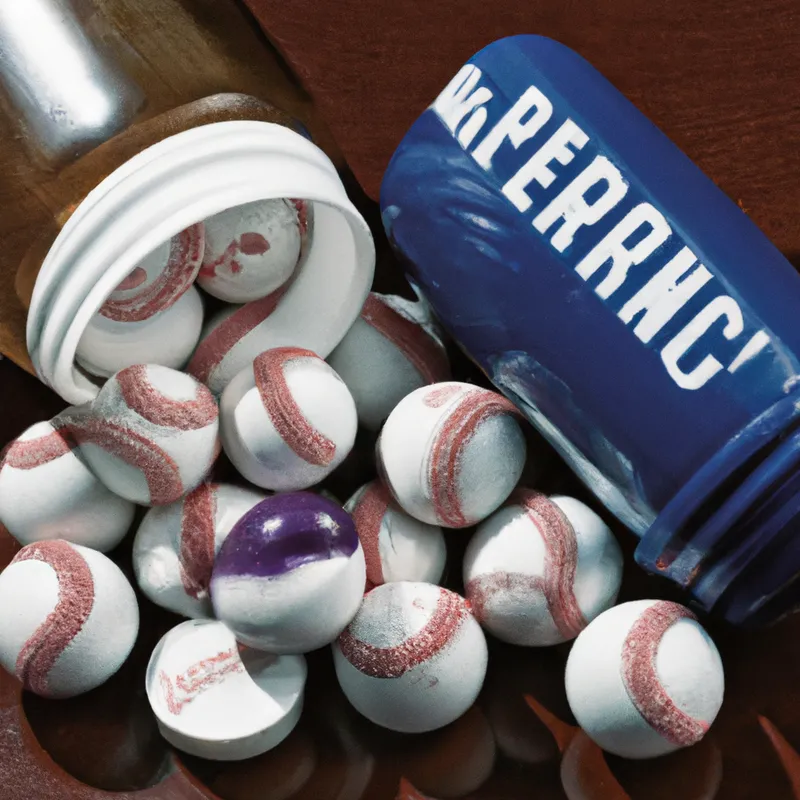
Debate the Integrity of Baseball with PEDs
The Ethics of Performance-Enhancing Drugs in Baseball
Baseball has long been America’s pastime. However, performance-enhancing drugs (PEDs) have challenged the sport. These substances raise important ethical questions. They threaten the integrity of the game. Let’s explore the ethics of PEDs in baseball.
Understanding Performance-Enhancing Drugs
Athletes use performance-enhancing drugs like steroids and stimulants to boost performance. These drugs increase strength, speed, and endurance. Some players use them to recover faster from injuries, while others seek a competitive edge.
PED use impacts more than individual players. Athletes who use these substances compromise the sport’s integrity. Fans expect fair competition and want players to compete based on natural abilities.
The Impact on Fair Play
Fair play promotes integrity and sportsmanship in sports. Players who use PEDs undermine these values. They gain unfair advantages over peers. Competition shifts from skill to drug manipulation.
Younger athletes look up to professionals. Seeing their idols use PEDs sends a troubling message. It implies success relies on substances instead of hard work. This perception can harm baseball and sports overall.
The Role of Major League Baseball
Major League Baseball (MLB) has enacted strict policies against PED use. These rules protect the game’s integrity and athlete health. However, enforcement proves challenging. Players often find ways to bypass testing. This ongoing struggle raises further ethical concerns.
MLB faces criticism for managing PED scandals. High-profile cases involving Barry Bonds and Alex Rodriguez tarnish the sport’s reputation. Fans question the legitimacy of records set by these players. This skepticism can diminish the sport’s appeal.
Health Risks of Performance-Enhancing Drugs
PED use carries serious health risks. These drugs can inflict long-term bodily damage. Players may suffer hormonal imbalances, liver damage, and heart issues. Additionally, mental health can decline. Athletes may develop dependencies, leading to addiction.
Some players argue benefits outweigh risks. This perspective raises concern. Athletes should prioritize health over performance. Pressure to excel can lead to dangerous choices. Success achieved through PEDs remains inauthentic.
Encouraging a Culture of Integrity
Baseball must cultivate a culture of integrity to combat PED use. This culture emphasizes hard work, discipline, and respect for the game. Coaches, players, and fans all contribute to this effort. They should promote true success through dedication and talent.
Education plays a crucial role. Athletes must grasp the risks of PEDs. They should understand the importance of fair competition. By raising awareness, the baseball community can discourage drug use.
Promoting Transparency and Accountability
Transparency is vital in addressing PED issues. MLB must communicate openly about policies and procedures. Fans should know how the league tests for drugs and enforces penalties. Transparency fosters trust between players and fans.
Accountability must extend beyond individual players. Team management and coaching staff should face consequences for ignoring PED use. By holding everyone accountable, MLB can create a more ethical environment.
Benefits of Clean Competition
Competing without PEDs offers numerous benefits. First, it preserves the sport’s integrity. Fans enjoy games based on talent and hard work. Second, clean competition promotes healthier athletes. Players focus on training without drug-related risks.
Additionally, clean competition enhances the sport’s reputation. Players who achieve success through natural abilities inspire others. Young athletes see hard work leads to success. This inspiration can create a new generation valuing integrity over shortcuts.
Conclusion
The ethics of performance-enhancing drugs in baseball present a complex challenge. Some players may seek advantages, but consequences can harm the sport. Integrity, health, and fair play must remain priorities. By promoting honesty and accountability, baseball can preserve its legacy. Ultimately, the game thrives on talent and dedication, not substances.
Below are related products based on this post:
FAQ
What are performance-enhancing drugs (PEDs) and how do they affect baseball?
Performance-enhancing drugs, such as steroids and stimulants, are substances used by athletes to boost their performance, increasing strength, speed, and endurance. In baseball, the use of PEDs undermines the integrity of the game, shifting competition from skill to drug manipulation, which can compromise fair play and the values of sportsmanship.
How does Major League Baseball (MLB) address the issue of PEDs?
Major League Baseball has established strict policies against the use of PEDs to protect the integrity of the game and the health of athletes. However, enforcing these rules is challenging, as players often find ways to circumvent testing. The league faces criticism for its handling of high-profile PED scandals, which raises questions about the legitimacy of records and the sport’s reputation.
What are the health risks associated with using performance-enhancing drugs?
The use of performance-enhancing drugs can lead to severe health consequences, including hormonal imbalances, liver damage, heart issues, and mental health declines such as addiction. Despite some players believing that the benefits outweigh these risks, the overall perspective emphasizes that athletes should prioritize their health and recognize the dangers of using PEDs for competitive success.














Post Comment