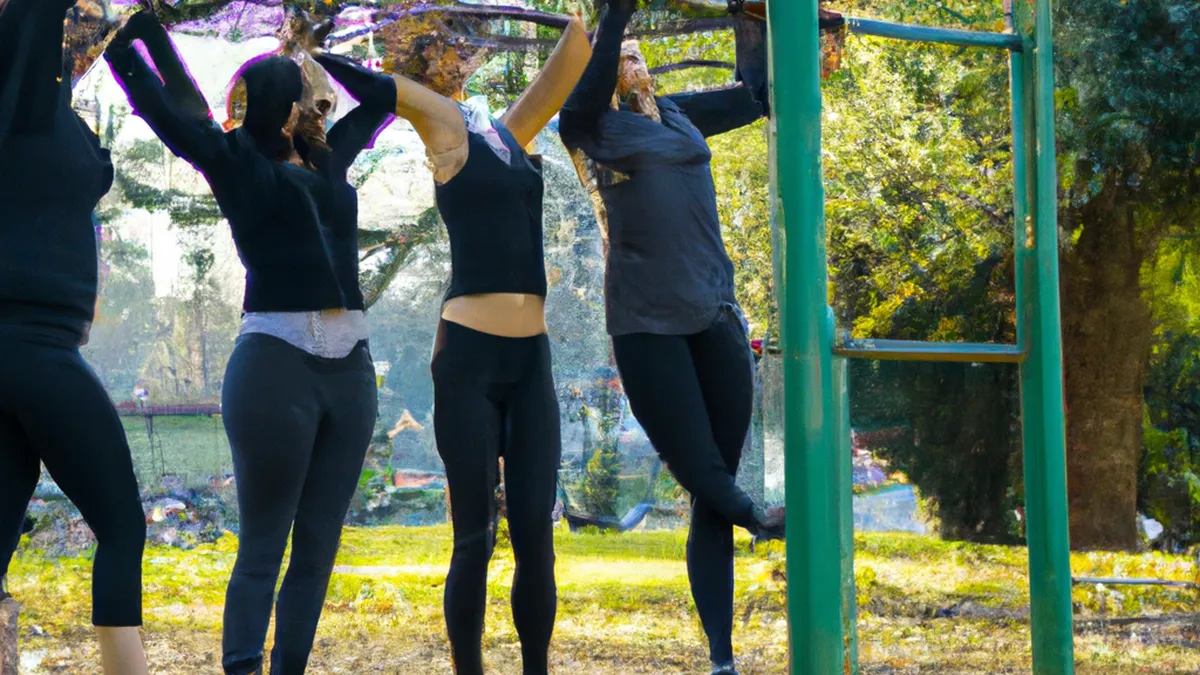
Cultivate Inclusivity with Diverse Activities
Designing Community Fitness ProgramsCommunity fitness programs encourage healthier lifestyles and foster participant connections. These programs improve physical health and promote social interaction. Focus on inclusivity, accessibility, and engagement to maximize benefits. Here’s a guide to developing effective community fitness programs.
Understand Your Community’s Needs
Assess the Demographics
Start by understanding your community’s demographics. Gather data on age, fitness levels, cultural backgrounds, and interests through surveys and meetings. Knowing your community helps tailor programs to fit participants’ needs. For example, an elderly population might prefer low-impact exercises, while younger residents may enjoy high-energy classes.
Identify Barriers to Participation
Next, identify barriers that may prevent participation. Common obstacles include lack of time, transportation issues, and financial constraints. Address these barriers to create successful initiatives. Offer programs at various times and provide transportation options. Ensure affordability or offer scholarships to make participation accessible.
Involve Local Stakeholders
Engage local stakeholders during the planning process. Reach out to schools, businesses, health organizations, and local government for insights and support. Their involvement enhances program effectiveness and helps secure resources. Local leaders can promote initiatives, lend credibility, and encourage participation.
Create Inclusive Programs
As an Amazon Associate I earn from qualifying purchases.
Gear tip: consider resistance bands set, foam roller, and hip thrust pad to support this topic.
Offer Variety
Diversify program offerings to cater to different fitness levels and interests. Create a schedule with activities like yoga, running clubs, dance classes, and outdoor boot camps. A variety of options attracts a broader audience and encourages participants to try new activities. Incorporate seasonal options to keep participants engaged year-round.
Ensure Accessibility
Accessibility is vital for participation. Choose easily reachable locations with adequate facilities. Provide virtual options for those unable to attend in person due to various factors. This flexibility allows more people to engage with your programs.
Foster a Welcoming Environment
Create a welcoming atmosphere to encourage participation and retention. Use friendly communication and inclusive practices to make everyone feel comfortable.
Conclusion
Designing effective community fitness programs requires understanding needs, addressing barriers, and promoting inclusivity. Engage stakeholders and create a welcoming environment for maximum impact.
Below are related products based on this post:
FAQ
What are the key components of a successful community fitness program?
A successful community fitness program should focus on understanding the community’s needs, addressing barriers to participation, and promoting inclusivity. It is essential to assess demographics, identify obstacles, and involve local stakeholders to enhance the program’s effectiveness.
How can barriers to participation be addressed?
Barriers such as lack of time, transportation issues, and financial constraints can be addressed by offering programs at various times, providing transportation options, and ensuring affordability. Scholarships can also be offered to make participation more accessible to everyone.
What is the importance of inclusivity in fitness programs?
Inclusivity is crucial as it ensures that a diverse range of participants feel welcomed and engaged. By offering a variety of activities and ensuring accessibility, fitness programs can cater to different interests and fitness levels, encouraging broader community involvement.











Post Comment