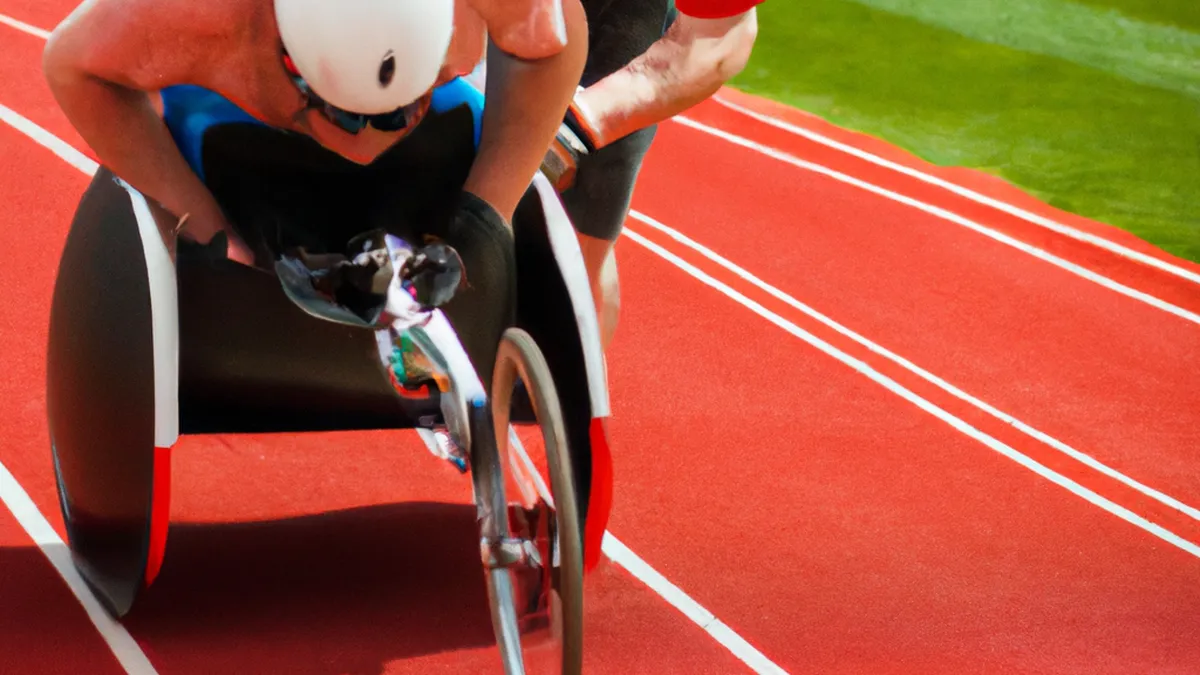
Competition Day: Eating for Optimal Energy
Nutritional Timing Around Competitions: A Comprehensive GuidePreparing for an athletic competition involves rigorous training and strategic nutrition. Nutrition significantly impacts performance, and nutritional timing is crucial. Knowing what and when to eat enhances performance, promotes recovery, and offers a psychological edge.
Understanding Your Energy Needs
Assess your individual energy requirements to optimize nutrition. Different sports require varying energy levels and macronutrient ratios. Endurance athletes need higher carbohydrate intake compared to strength athletes.
Calculate Your Macronutrient Ratios
Athletes should maintain a balanced diet with carbohydrates (45-65%), proteins (10-35%), and fats (20-35%). Carbohydrates fuel high-intensity activities. Proteins aid muscle recovery and repair. Fats provide lasting energy for endurance activities. **Example Macronutrient Breakdown for an Endurance Athlete:**- **Carbohydrates:** 60% – **Proteins:** 20% – **Fats:** 20%**Example Macronutrient Breakdown for a Strength Athlete:**- **Carbohydrates:** 50%- **Proteins:** 30%- **Fats:** 20%
Pre-Competition Nutrition
As an Amazon Associate I earn from qualifying purchases.
Gear tip: consider electrolyte mix, soft flask, and hydration tablets to support this topic.
Your pre-competition meal significantly impacts your performance. Nutritional timing during this period is vital.
Meal Timing
Consume a larger meal 3-4 hours before the event. Include complex carbohydrates, lean proteins, and healthy fats. Whole-grain pasta with grilled chicken and vegetables or a quinoa salad with beans are great options.**What to Avoid:** Stay away from high-sugar and overly processed foods. Avoid high-fiber foods right before competition to prevent digestive discomfort.
Snack Wisely
If time is short, eat a small snack 30-60 minutes beforehand. Choose easily digestible, carbohydrate-rich snacks. A banana, a small energy bar, or a slice of toast with honey provide quick energy.
Hydration is Key
Stay hydrated before the event to enhance performance. Drink at least 16-20 ounces of water in the hours leading up to your competition. Hydration should consistently be part of your daily routine.
Post-Competition Recovery
After the event, focus on recovery and replenishing lost nutrients. Nutritional timing plays a crucial role.
Conclusion
In summary, strategic nutritional timing enhances performance, supports recovery, and provides a competitive edge.
Below are related products based on this post:
FAQ
What is nutritional timing and why is it important for athletes?
Nutritional timing refers to the strategic planning of what and when to eat around competition times. It is important for athletes because it can significantly enhance performance, promote recovery, and provide a psychological edge during competitions.
How should athletes calculate their macronutrient ratios?
Athletes should maintain a balanced diet with carbohydrates (45-65%), proteins (10-35%), and fats (20-35%). The specific ratios may vary based on the type of sport, with endurance athletes typically requiring higher carbohydrate intake compared to strength athletes.
What should athletes eat before a competition?
Before a competition, athletes should consume a larger meal 3-4 hours prior, focusing on complex carbohydrates, lean proteins, and healthy fats. If time is short, a small snack that is easily digestible and carbohydrate-rich can be consumed 30-60 minutes before the event.














Post Comment