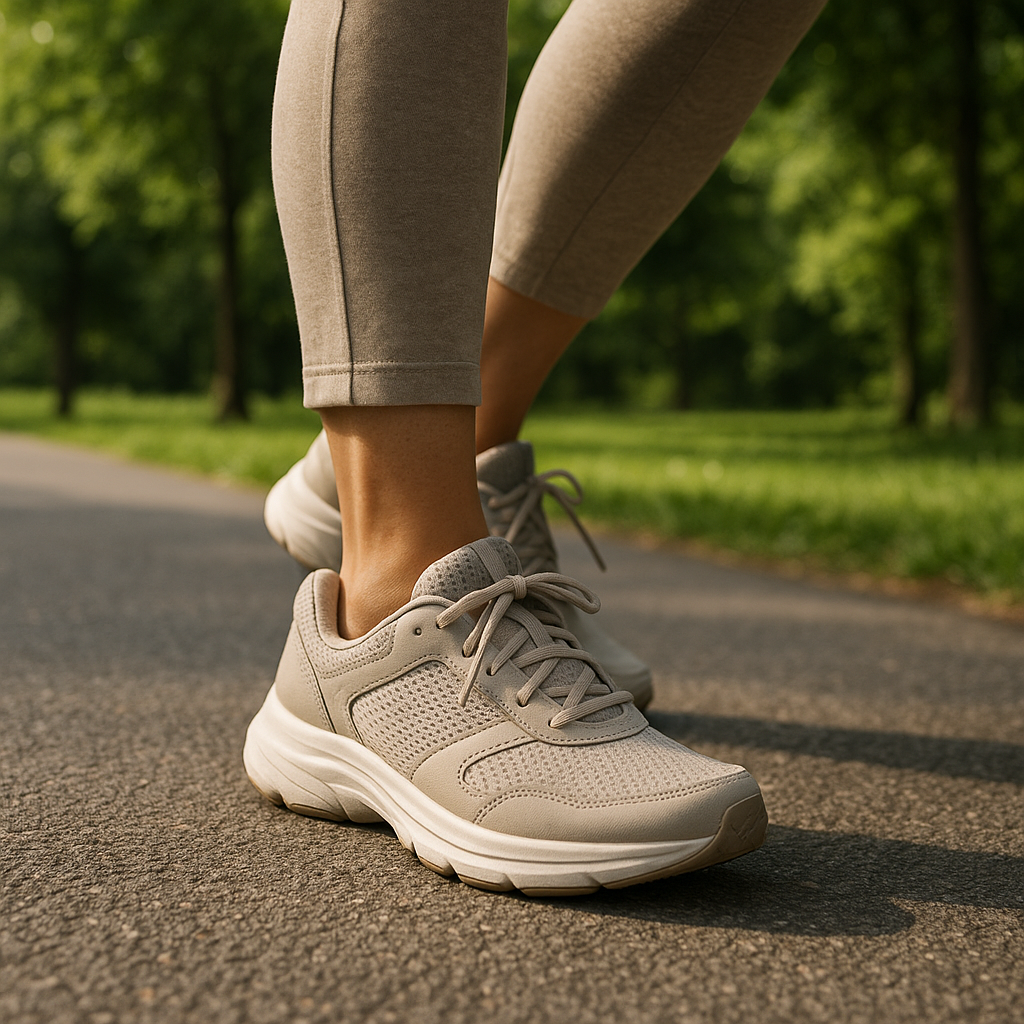
9 Comfort-First Walking Shoes That Keep Your Feet Supported All Day
Quick Summary
- Choose shoes that match your gait, arch type, and daily activity — cushioning alone isn’t enough.
- Look for a supportive heel counter, roomy toe box, responsive midsole, and good outsole traction.
- Try shoes on later in the day with the socks you’ll wear for walking; walk and, if you plan to, jog a little to test comfort.
Intro
Whether you’re taking casual neighborhood strolls, logging errands, or blending brisk walking with short jogs, the right pair of trainers makes all the difference. The best walking shoes balance soft cushioning with stable support and a comfortable fit so you can stay on your feet longer without soreness. Below are nine standout options across budgets and foot types, plus a practical guide to choosing and caring for your next pair.
How we narrowed the field
We focused on shoes that combine cushioning, stability, and durability for everyday wear. Priority features included midsole technology for shock absorption, a supportive heel and midfoot, breathable uppers, and outsoles that handle pavement and light trails. For special categories (wide feet, budget, mixed walk/jog) we included options known for consistent fit and real-user feedback.
Top 9 walking shoes for comfort and support
1. Hoka Clifton (best plush cushioning)
Why it stands out: Hoka’s signature full‑length foam delivers a pillowy ride without feeling unstable. The Clifton is lightweight for its cushioning and works well for long, easy miles and all-day standing. (If you’re interested in plush cushioning technologies, see more on Hoka’s approach here.)
2. Brooks Glycerin (best for soft, durable cushion)
Why it stands out: The Glycerin blends luxuriously soft midsole foam with a secure fit and smooth transitions. It’s an excellent pick for walkers who want maximum comfort without sacrificing responsiveness. For more on choosing a Glycerin, check this guide here.
3. New Balance Fresh Foam 1080 (best for wider feet)
Why it stands out: Known for roomy toe boxes and multiple width options, New Balance’s Fresh Foam line gives ample cushioning and a stable platform for broad feet.
4. ASICS Gel-Nimbus (best for balanced cushioning and support)
Why it stands out: The Gel-Nimbus pairs gel cushioning with a supportive midsole, offering a reliable mix of comfort and structure that suits both walking and occasional jogging.
5. Saucony Triumph or Guide (best stability without weight)
Why it stands out: Saucony models like the Triumph (cushion forward) and Guide (stability focused) are good for people who need mild support for overpronation while maintaining a lightweight feel. If you need a stability-specific option, see picks for stability running shoes here.
6. Skechers GOwalk (best casual, zero-break-in comfort)
Why it stands out: Designed for walkers, many GOwalk styles emphasize easy-on comfort, breathable uppers, and flexible outsoles. Great for quick errands and travel.
7. Brooks Addiction Walker (best for long shifts or on-your-feet jobs)
Why it stands out: Built with strong support, durable outsoles, and slip-resistant options, the Addiction series helps reduce fatigue for people who spend long hours standing.
8. Hoka Bondi (best maximum cushion for high mileage)
Why it stands out: If you want soft, protection-focused cushioning for lots of pavement miles, the Bondi is Hoka’s most cushioned daily trainer, offering smooth ride and protection against pounding.
9. Altra Torin (best wide toe box and natural foot splay)
Why it stands out: Altra’s zero-drop platform and roomy toe box encourage natural foot positioning and can reduce toe cramping, making it a good pick for walkers who prefer a more natural feel.
How to choose the right walking shoe for you
Picking the best shoe starts with your feet and how you move. Here are practical criteria to evaluate:
- Fit: There should be about a thumb’s width of space between your longest toe and the front of the shoe.
- Arch support: Match the shoe’s support level to your arch type (low, neutral, high).
- Heel and midfoot support: A firm heel counter prevents slippage and stabilizes gait.
- Cushioning: Softer midsoles absorb shock; firmer midsoles offer better propulsion if you plan to speed-walk or jog.
- Outsole traction: Look for durable rubber with a pattern that suits pavement and light trail conditions.
Practical steps to buy and test walking shoes
- Measure your feet late in the day when they’re slightly swollen to get a realistic fit.
- Bring the socks you normally wear for walking to the fitting.
- Try shoes on both feet and walk briskly for at least five minutes in the store; if you plan to mix in jogging, jog a short distance too.
- Check heel slip, arch contact, and toe-box room while standing and walking.
- Compare two sizes if in doubt — small changes in length or width can affect comfort dramatically.
Quick checklist before you buy
- Heel fits snugly without pressure points
- Toe box allows natural splay (no pinching)
- Midsole provides the right balance of cushion and responsiveness
- Sole flexes at the ball of the foot, not mid-arch
- Socks and any orthotics you use fit comfortably inside
Common mistakes people make when choosing walking shoes
- Buying shoes solely based on looks or brand popularity instead of fit and function.
- Choosing shoes that are too tight to ‘grow into’—that causes blisters and long-term discomfort.
- Ignoring differences between left and right foot sizes; many people have one foot slightly larger.
- Skipping a test walk; standing in place won’t reveal heel slip or toe pressure.
- Wearing worn-out shoes past their lifespan—midsole foam loses shock absorption over time.
Care and replacement tips
Rotate between two pairs if you walk daily; this lets foam recover and extends overall life. Keep shoes clean and dry to prevent odor and material breakdown, and replace them when the midsole compresses or you notice increased soreness. As a rule of thumb, many walking shoes show significant wear after 300–500 miles, but individual lifespan varies with build, weight, and terrain.
Conclusion
Comfort and support are both essential for walking shoes. Look for models that match your foot shape and walking pattern, try them on with proper socks, and test them under real conditions. The right shoe will reduce fatigue, protect your joints, and make daily movement more enjoyable. If you have persistent foot pain or a medical condition that affects your gait, consult a podiatrist or physical therapist for personalized recommendations.
FAQ
Q1: How tight should walking shoes be?
A1: They should feel snug in the heel and midfoot with about a thumb’s width of space at the toe. Avoid shoes that press on the toes or allow the foot to slide forward.
Q2: Can running shoes double as walking shoes?
A2: Yes—many running shoes work well for walking because they offer cushioning and durable outsoles. Choose a model that suits your walking pace and provides the right support level.
Q3: How often should I replace my walking shoes?
A3: Typically every 300–500 miles, or sooner if you notice decreased cushioning, uneven wear, or new aches. Daily walkers should check their shoes regularly for foam compression and sole wear.
Q4: Are expensive shoes always better?
A4: Not necessarily. Price can reflect materials and brand, but fit and function matter most. A moderately priced shoe that fits well will serve you better than an expensive shoe that doesn’t match your foot or gait.
Q5: Should I see a specialist if I have foot pain from walking?
A5: If pain persists despite trying supportive shoes and basic measures, consult a podiatrist or physical therapist. They can evaluate gait mechanics and recommend orthotics or therapeutic interventions tailored to your needs.













1 comment