
Chill Out: Cold Adaptation Training Essentials
Cold Adaptation Training MethodsAthletes and health enthusiasts increasingly embrace cold adaptation training. This practice helps the body adjust to lower temperatures. It enhances performance, improves recovery, and boosts overall health. In this blog, we will explore effective cold adaptation methods, discuss their benefits, and offer practical tips for getting started.
Understanding Cold Adaptation
Cold adaptation means the body acclimates to cold environments over time. Cold exposure triggers several physiological changes. These include improved blood circulation, enhanced metabolism, and increased fat oxidation. These adaptations prepare the body for extreme temperature fluctuations, increasing resilience. Regular cold exposure leads to health benefits, such as improved immune function, better mood, and enhanced physical performance.
The Science Behind Cold Adaptation
Cold exposure activates several bodily responses. Vasoconstriction narrows blood vessels to conserve heat. Continued cold exposure helps the body manage these responses efficiently. This process improves circulation and thermoregulation. Additionally, cold exposure stimulates brown adipose tissue (BAT) production, which burns calories and generates heat. This process aids weight management and enhances metabolic rates.
Effective Cold Adaptation Training Methods
As an Amazon Associate I earn from qualifying purchases.
Gear tip: consider ice bath tub, waterproof thermometer, and circulation pump to support this topic.
1. Cold Showers
Cold showers serve as a simple method for cold adaptation. You can easily incorporate them into your daily routine. Start with warm water and gradually decrease the temperature. Aim for 30 seconds to 2 minutes of cold exposure. Initially, cold exposure may feel uncomfortable, but your body will adapt over time. Cold showers invigorate your senses and improve circulation, making them a great morning routine.
2. Ice Baths
Ice baths provide a more intense form of cold exposure. Athletes commonly use this method for recovery benefits. Fill a bathtub with cold water and add ice until it reaches a low temperature. Submerge your body for 10 to 15 minutes, ensuring safety and comfort. This method reduces muscle soreness and inflammation after workouts, speeds recovery, and revitalizes energy levels. Start with shorter durations and increase as your body adapts.
3. Outdoor Activities in Cold Weather
Engaging in outdoor activities during cold weather effectively promotes cold adaptation. Hiking, running, or skiing exposes your body to colder temperatures while keeping you active. Dress in layers to maintain safety and comfort. Focus on enjoying the experience. This approach builds physical endurance and helps your body adjust to temperature changes naturally.
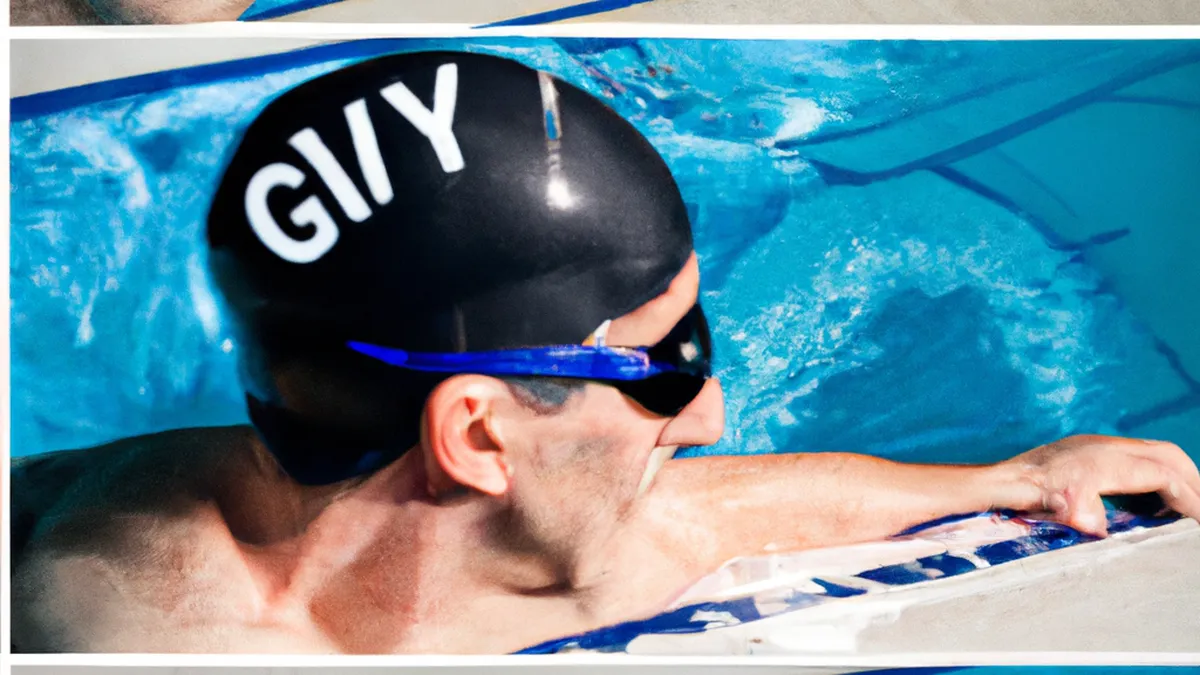
4. Cold Water Swimming
For a more adventurous approach, cold water swimming offers an exciting option.
Conclusion
Cold adaptation training provides various methods for enhancing health and performance. Embrace these practices for improved resilience and overall well-being.
Below are related products based on this post:
FAQ
What is cold adaptation?
Cold adaptation refers to the body’s ability to acclimate to cold environments over time. This process involves physiological changes that improve blood circulation, enhance metabolism, and increase fat oxidation, ultimately increasing resilience to temperature fluctuations.
What are the benefits of cold adaptation training?
Cold adaptation training offers several benefits, including improved immune function, better mood, and enhanced physical performance. Regular exposure to cold can lead to increased resilience and overall health improvements.
What methods can be used for cold adaptation?
Effective methods for cold adaptation include cold showers, ice baths, outdoor activities in cold weather, and cold water swimming. Each method varies in intensity and can be integrated into daily routines to promote acclimatization to lower temperatures.












Post Comment