
Chart Your Annual Training Roadmap
Planning Seasonal Training Cycles: A Comprehensive GuideAthletes need structured training plans to reach their potential. Seasonal training cycles help athletes build strength, endurance, and skill. This guide explains how to plan these cycles effectively, maximizing training outcomes and minimizing injury risks.
Understanding Seasonal Training Cycles
A seasonal training cycle has three main phases: preparation, competition, and transition. Each phase includes specific goals, focuses, and training methods.
1. Preparation Phase
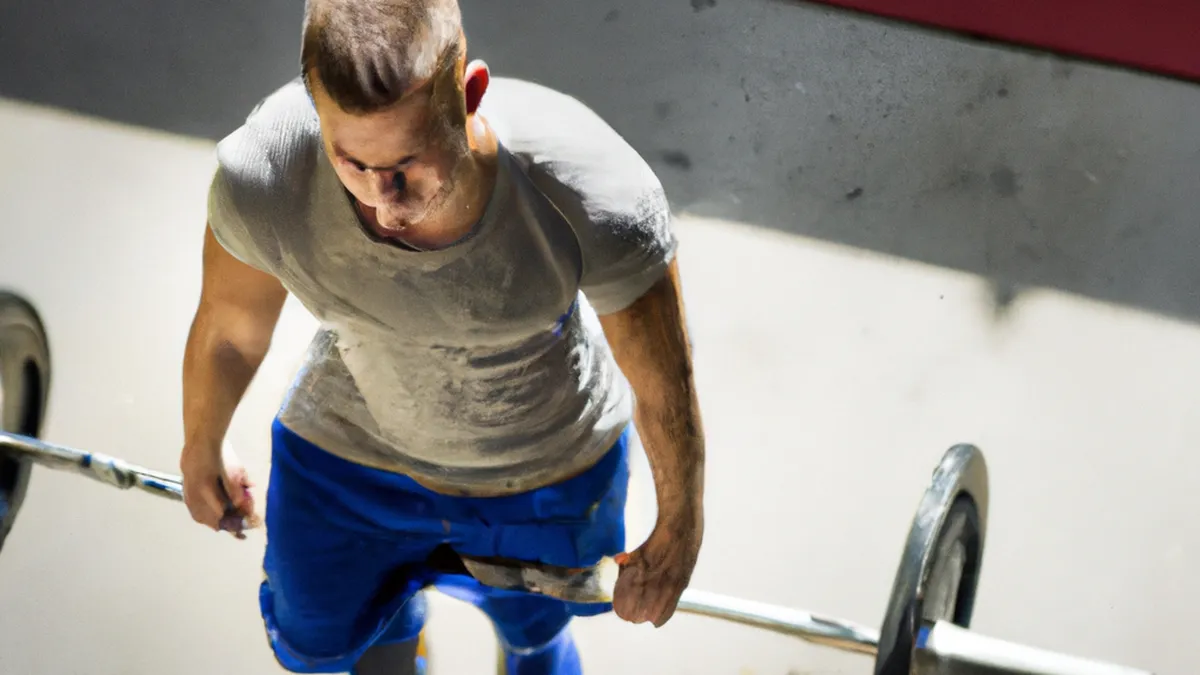
**Foundation Building**: Athletes build a solid foundation during the preparation phase. This phase lasts several weeks to months, depending on the sport and the athlete’s experience. Training usually involves high-volume, low-intensity workouts that enhance endurance, strength, and overall fitness.**Types of Training**: Common activities include weightlifting for strength, aerobic exercises for endurance, and sport-specific skill drills. Athletes also focus on flexibility and mobility to prepare for intense training later in the season.
2. Competition Phase
**Maximizing Performance**: The competition phase focuses on enhancing performance. This phase aligns with the competitive season and can last from weeks to months. The goal is to optimize performance and peak at the right times for competitions. **Training Adjustments**: During this phase, athletes reduce training volume while increasing intensity. This strategy maintains strength and speed while refining skills. Techniques like tapering—gradually reducing training load before competitions—ensure athletes feel fresh and energized.
3. Transition Phase
**Recovery and Reflection**: The transition phase follows the competition phase and is crucial for recovery. Athletes recuperate physically and mentally from competition. This phase lasts a few weeks and includes low-intensity activities, cross-training, and rest.**Importance of Downtime**: Adequate recovery prevents burnout and injuries. The transition phase also offers time for athletes to reflect on performance, assess goals, and plan for the next cycle.
Tips for Effective Planning
As an Amazon Associate I earn from qualifying purchases.
Gear tip: consider compression sleeves, compression socks, and olympic barbell to support this topic.
Planning seasonal training cycles requires careful consideration. Here are tips to enhance your training plan:
Set Clear Goals
Define your objectives for each phase. Do you want to improve speed, strength, or endurance? Setting specific, measurable goals keeps you focused and motivated. For instance, instead of saying “I want to run faster,” specify, “I want to reduce my 5K time by two minutes.”
Monitor Training Loads
Track your training loads to balance intensity and volume. Overtraining leads to burnout and injuries, while undertraining hinders performance. Use tools like heart rate monitors or training logs to monitor your progress.
Conclusion
In summary, effective seasonal training cycles enhance athletic performance and prevent injury. Plan carefully and stay focused on your goals.
Below are related products based on this post:
FAQ
What are the main phases of a seasonal training cycle?
A seasonal training cycle consists of three main phases: preparation, competition, and transition. Each phase has specific goals and training methods tailored to enhance an athlete’s performance and overall fitness.
What is the focus during the preparation phase?
The preparation phase focuses on building a solid foundation for athletes. This phase includes high-volume, low-intensity workouts aimed at improving endurance, strength, and flexibility over several weeks to months.
Why is the transition phase important?
The transition phase is crucial for recovery and reflection after the competition phase. It allows athletes to recuperate physically and mentally, preventing burnout and injuries while providing time to assess performance and set goals for the next cycle.












Post Comment