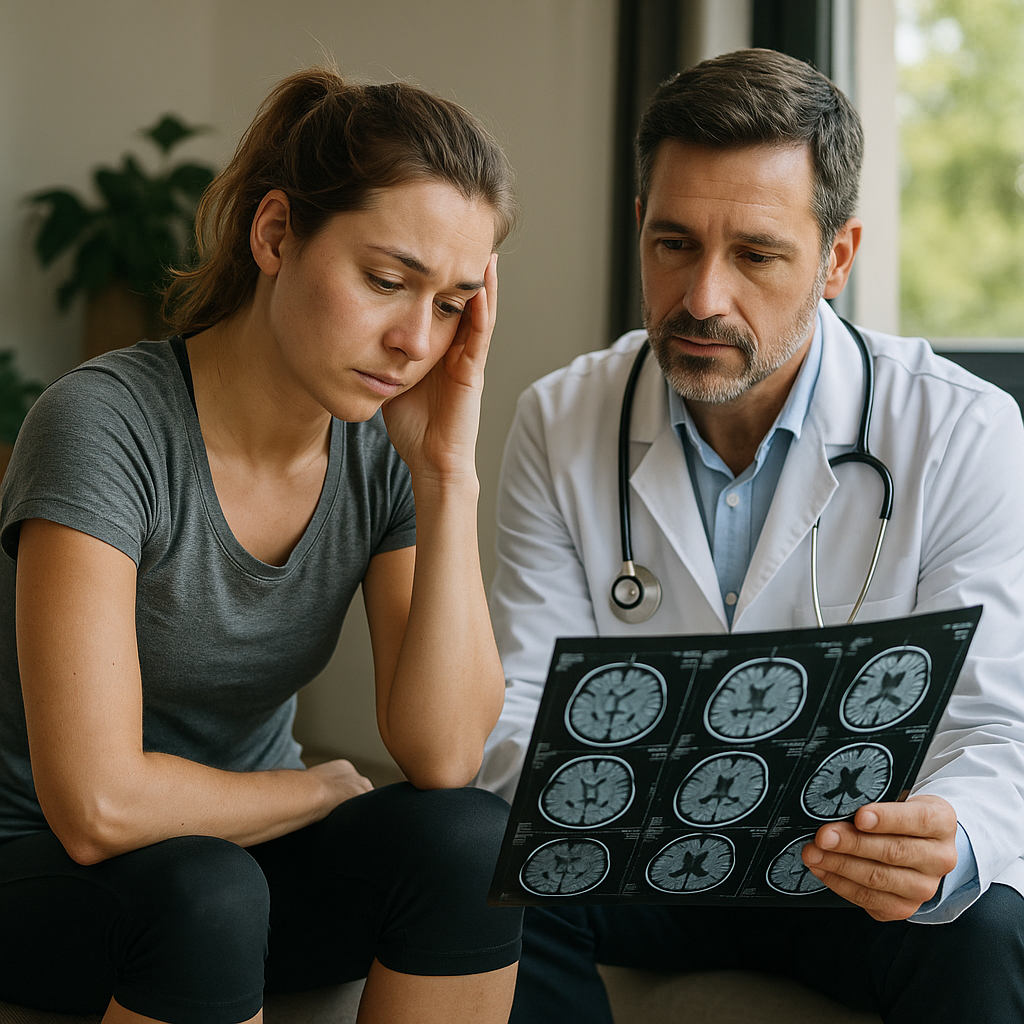
Brain Scans + Yueju: A New Path to Personalized Depression Treatment
Why this matters: Treating depression is often a slow process of trial and error. A recent clinical comparison between a traditional Chinese herbal formula (Yueju Pill) and a standard antidepressant suggests brain imaging and biological markers could help predict which treatment will work best for which person. That could shorten the search for an effective therapy and reduce unnecessary side effects.
Quick summary
- Both Yueju Pill and a commonly used antidepressant reduced depressive symptoms in the study.
- Only the Yueju group showed an increase in a brain-supporting protein linked with neural plasticity (similar studies often measure brain-derived neurotrophic factor, BDNF).
- Brain imaging found network patterns—particularly involving visual-processing regions—that helped predict who responded to Yueju.
- These findings point toward combining imaging and biomarkers with clinical evaluation to personalize treatment, but they need replication and wider validation.
Why this study is notable
Most current treatment pathways for depression rely on clinician experience, patient history, and a period of trial and error. This study is notable because it links three elements—clinical response, a biological marker, and brain-network signatures—suggesting an approach where scans and biomarkers help guide initial treatment choices instead of only measuring response after weeks or months.
What the study compared
Treatments
Participants with depressive symptoms were randomly assigned to receive either the Yueju Pill (a traditional herbal formulation) or a commonly used antidepressant. Both groups showed symptom improvement during the treatment period.
Biomarker findings
Investigators measured a protein associated with neuroplasticity and mood regulation. Only the Yueju group showed a measurable increase in that protein, which suggests Yueju may affect brain biology differently from the antidepressant. Note: an increase in a biomarker is only one part of the evidence and does not by itself prove superiority.
Brain imaging and prediction
Functional and structural imaging identified patterns of brain-network connectivity that correlated with clinical improvement on Yueju. Unexpectedly, many predictive features involved visual-processing areas. These regions interact with attention, memory, and emotional systems, so differences in visual-network dynamics may reflect broader network states that influence treatment response.
How the study was done (brief)
- Design: randomized clinical comparison of two treatments for depressive symptoms.
- Measures: clinical symptom ratings, blood-based protein biomarker(s), and brain imaging (functional/structural network analysis).
- Goal: identify biological signatures that predict which patients respond to which treatment.
What this does — and doesn’t — mean
- Promising: Combining imaging and biomarkers could shorten the time to an effective treatment and reduce exposure to ineffective medications.
- Not definitive: Results from a single study require replication across larger and more diverse samples before routine clinical use.
- Practical limits: Advanced imaging is not yet widely available or standardized as a clinical decision tool, and herbal formulations vary in composition and regulation.
Limitations to keep in mind
- Single-study findings need independent replication and extension across populations.
- Access, cost, and standardization of clinical-grade imaging remain barriers.
- Herbal products vary by manufacturer and region; quality control and interactions with other medications must be considered.
Practical steps for patients and clinicians
If you or someone you care for is considering new treatment options, use these practical steps to bring research-informed thinking into care discussions without bypassing professional guidance.
- Review treatment history with your clinician and ask whether biomarker-guided approaches are being studied or offered locally.
- Ask about eligibility for clinical trials—some studies provide imaging and biomarker testing at no cost to participants.
- Discuss safety, dosing, and interactions before using herbal products like Yueju; consult a pharmacist or clinician.
- Keep a symptom and side-effect diary to help evaluate response more quickly.
- Continue evidence-based supports (psychotherapy, sleep, exercise, nutrition) as part of a comprehensive plan.
Checklist to bring to a treatment discussion
- List of current medications, supplements, and doses
- Summary of prior treatments and how you responded
- Recent symptom timeline and any triggers
- Questions about availability and purpose of imaging or biomarker testing
- A plan for tracking symptoms and side effects (weekly entries)
Common mistakes to avoid
- Assuming one study proves a treatment is best for everyone.
- Expecting brain scans to be a definitive, standalone chooser of treatment today.
- Stopping prescribed medications without consulting a clinician.
- Self-medicating with unverified herbal products without checking quality and interactions.
- Neglecting established treatments and supports while pursuing a single biomarker or test.
Conclusion
This study illustrates a growing trend in psychiatry: integrating clinical outcomes, biological markers, and brain imaging to move toward personalized treatment strategies. The results are encouraging but preliminary. For now, the best approach is a careful, evidence-informed conversation with your healthcare team that weighs potential benefits, safety, and realistic expectations.
FAQ
Q: What is Yueju Pill and is it safe?
A: Yueju is a traditional Chinese herbal formulation historically used for mood and related symptoms. Safety depends on the specific product, dose, quality control, and potential interactions with prescribed medications. Always discuss herbal treatments with your clinician or pharmacist before starting them.
Q: Can brain scans today reliably tell me which antidepressant or treatment will work?
A: Not routinely. Research shows that imaging can add useful information about likely response to specific treatments, but clinical-grade predictive imaging is not yet standardized or widely available. In some cases, imaging is offered within research studies—ask your clinician about opportunities.
Q: Does an increase in a brain-supporting protein mean a treatment is better?
A: An increase in biomarkers linked to neuroplasticity (for example, those similar to BDNF in other studies) is encouraging, but it is only one piece of evidence. Symptom improvement, tolerability, and functional outcomes remain the most important measures of treatment benefit.
Q: Are biomarker-guided or imaging-guided treatments affordable and accessible?
A: Currently, many biomarker and imaging services are offered in research centers or specialty clinics and can be costly. Some clinical trials provide tests at no cost to participants. Discuss local resources and cost implications with your care team.
Q: How should I bring these research findings up with my doctor?
A: Prepare a concise summary of your treatment history and goals, ask whether biomarker- or imaging-based decision tools are relevant to your case, and request advice about reputable studies or clinics. Keep the conversation collaborative—your clinician can explain options, risks, and the current evidence.
Related reading: learn more about medication risks in older adults and prescribing considerations at dementia prescribing risks, explore psychological techniques and AI-supported inner self-talk at AI and self-talk, and read about brain-structure changes across midlife at brain health during menopause.
Part of the Complete Strength Training Guide
Explore more: Complete Strength Training Guide














1 comment