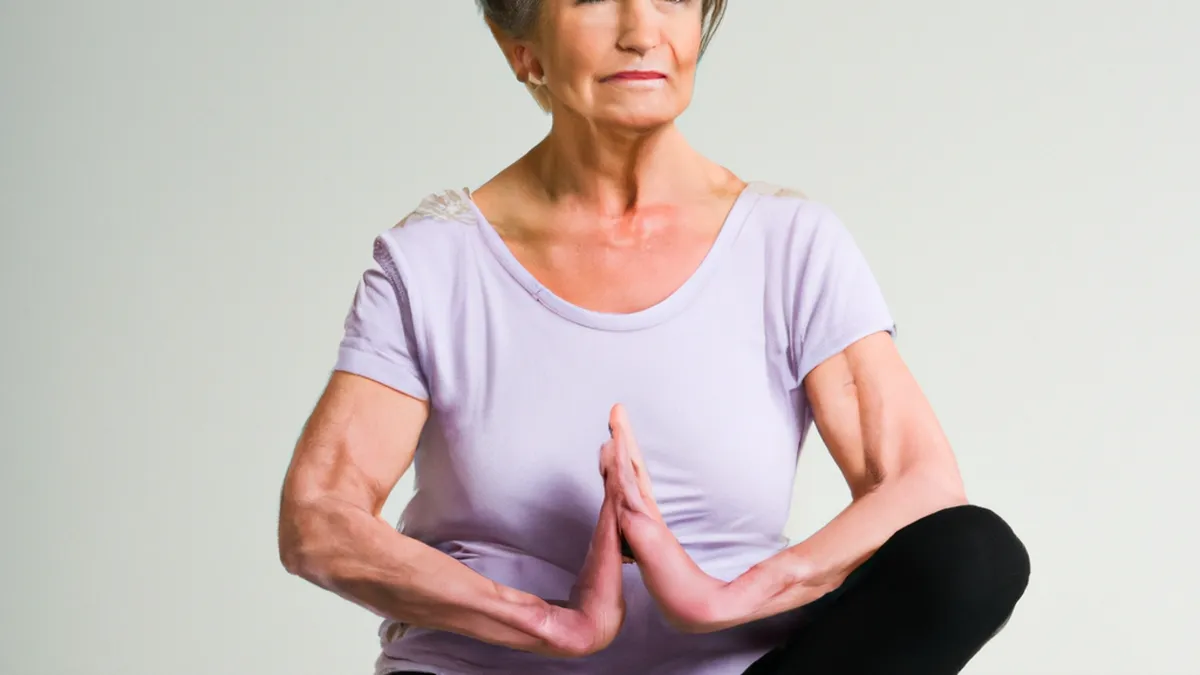
Beyond Cardio: Strength for Seniors
Senior Training Adaptations: Embracing Change for Better HealthAging affects our physical capabilities. Therefore, adapting training routines becomes essential. Understanding senior training adaptations helps maintain fitness, independence, and overall health. This blog post discusses effective strategies, tips, and benefits of tailored training programs for seniors.
Understanding the Need for Adaptation
Aging presents unique challenges impacting physical health. Seniors experience decreased muscle mass, leading to reduced strength and endurance. Joints may stiffen and lose flexibility, affecting mobility. Balance and coordination may decline, increasing fall risk. Thus, seniors must adapt training methods for safety and effectiveness.Seniors also face specific health concerns. Conditions like arthritis, osteoporosis, diabetes, and heart disease require special considerations. Tailoring exercise programs to individual needs maximizes benefits while minimizing risks.
Tips for Effective Senior Training
As an Amazon Associate I earn from qualifying purchases.
Gear tip: consider stretching strap, yoga blocks, and mobility sliders to support this topic.
1. Focus on Strength Training
Strength training helps seniors maintain muscle mass and bone density. Aim for two to three sessions weekly, using resistance exercises and bodyweight movements. Start with lighter weights and higher repetitions, then gradually increase intensity.Incorporate exercises targeting major muscle groups, such as:- **Squats:** Use a chair for support.- **Push-ups:** Perform against a wall or on knees.- **Resistance Bands:** Provide resistance without straining joints.Strength training improves physical health, boosts confidence, and enhances daily activities, such as lifting groceries or climbing stairs.
2. Prioritize Flexibility and Balance
Flexibility exercises enhance range of motion and prevent injuries. Include stretching routines before and after workouts, focusing on major muscle groups. Hold each stretch for 15 to 30 seconds, and breathe deeply for relaxation.Balance training significantly reduces fall risk. Include exercises like:- **Standing on One Leg:** Use a chair or countertop for support.- **Heel-to-Toe Walk:** Improves coordination and stability.- **Tai Chi or Yoga:** Promote balance, flexibility, and mindfulness.Aim for balance and flexibility exercises at least twice weekly to stay steady.
3. Stay Active with Cardio
Cardiovascular exercise supports heart health and overall endurance. Engage in low-impact activities like walking, swimming, or cycling. These activities provide cardiovascular benefits without stressing joints.
Conclusion
In summary, adapting training routines helps seniors maintain fitness and health. Prioritize strength, flexibility, balance, and cardiovascular activities for better well-being.
Below are related products based on this post:
FAQ
Why is it important for seniors to adapt their training routines?
Adapting training routines is crucial for seniors as aging affects physical capabilities, including decreased muscle mass, strength, and flexibility. Tailored exercise programs help maintain fitness, independence, and overall health while addressing specific health concerns like arthritis and heart disease.
What types of exercises should seniors focus on?
Seniors should prioritize strength training, flexibility, balance, and cardiovascular exercises. Strength training should include resistance exercises and bodyweight movements, while flexibility and balance activities can involve stretching and stability exercises like Tai Chi or yoga.
How often should seniors engage in exercise?
Seniors are encouraged to engage in strength training two to three times weekly, along with flexibility and balance exercises at least twice a week. Cardiovascular activities should also be included regularly, promoting heart health through low-impact exercises such as walking or swimming.














Post Comment