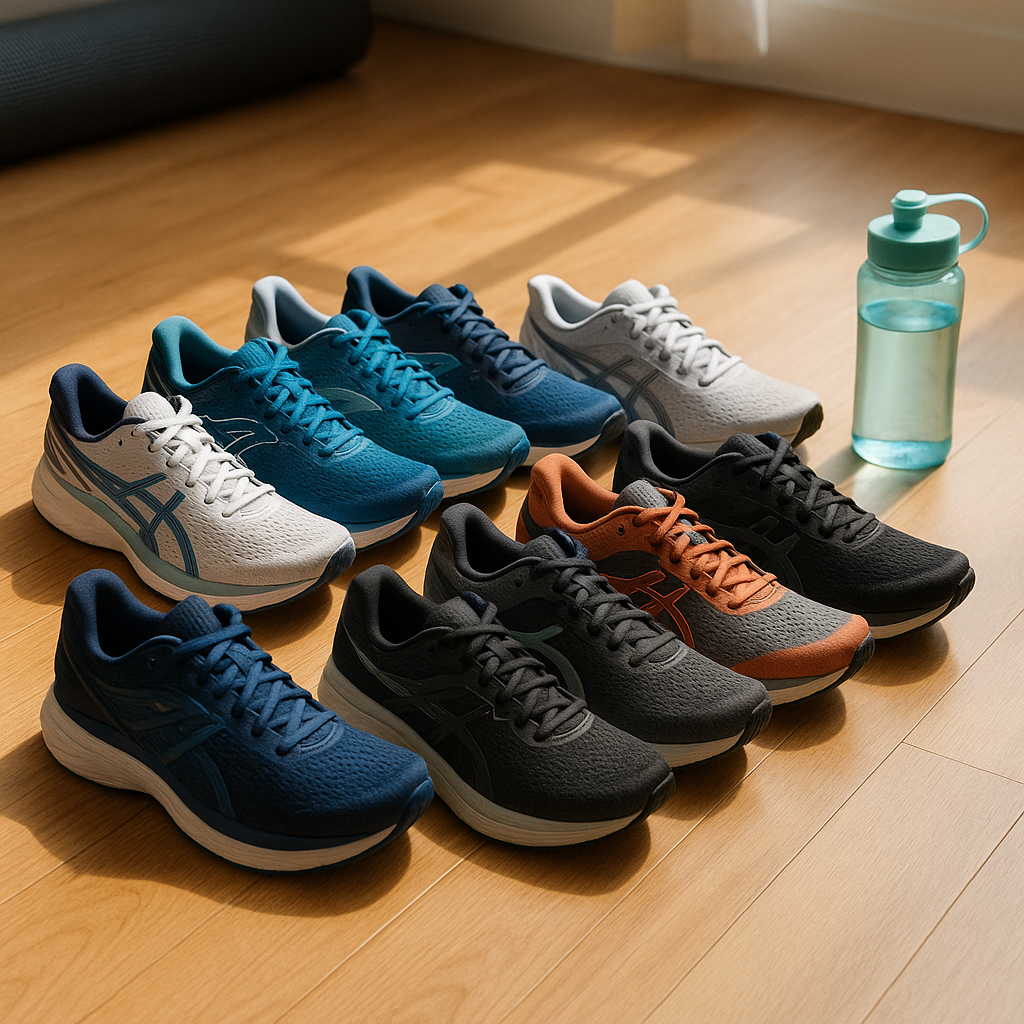
Top 9 Stability Running Shoes: Supportive Picks for Overpronators and Neutral Runners
Quick Summary
- Stability shoes add medial support to reduce excessive inward rolling (overpronation) and guide a more efficient stride.
- We tested hundreds of models and selected nine options that balance support, cushioning, and comfort for different types of runners.
- Pick a shoe based on your gait, body weight, mileage, and training goals—try a run in-store or on a treadmill before buying.
Introduction
Stability running shoes are designed to control moderate overpronation and provide a stable platform for many runners without the bulk of motion-control footwear. Whether you’re a daily trainer, a weekend racer, or coming back from injury, the right stability shoe can improve comfort and reduce the risk of running-related irritation. Below are nine well-tested models that work for a range of runners—from neutral runners looking for a bit more guidance to heavier runners needing firm support.
How we evaluated shoes
We evaluated fit, cushioning, torsional stability, heel counter stiffness, durability, and on-road feel across a range of paces and cadences. Test runs included short tempo repeats, easy recovery miles, and longer steady-state runs. Prioritized models that blend functional support with good ride quality.
Top 9 stability shoes (what each is best for)
1. Brooks Adrenaline GTS
Best for everyday training and reliable, balanced support.
Why it stands out: Legendary for stable guidance, the Adrenaline uses a progressive support system (GuideRails) that controls excess motion while letting the ankle move naturally. It’s cushioned enough for daily mileage without feeling overly soft.
Pros: Smooth transitions, durable outsole, versatile for many paces. Cons: Slightly heavier than minimal trainers.
2. ASICS GEL-Kayano
Best for runners who want premium cushioning with structured stability.
Why it stands out: The Kayano blends GEL cushioning, a supportive midsole, and a firm medial post to reduce inward roll. It’s a favorite among long-distance runners who value plush comfort and secure fit.
Pros: Plush ride, secure fit. Cons: Higher price, can feel bulky for faster efforts.
3. HOKA Arahi
Best for lightweight stability and spirited tempo runs.
Why it stands out: The Arahi offers a low-weight stability solution with HOKA’s signature cushion. The J-Frame (or HOKA’s stability geometry) provides guidance without a heavy medial post, making it lively for faster training.
Pros: Lightweight, responsive. Cons: Less maximal support for severe overpronators.
4. HOKA Gaviota
Best for heavy runners or those needing maximal stability and cushion.
Why it stands out: The Gaviota pairs maximal cushion with a wide, supportive base and a structured medial post—great for long runs where comfort and control are priorities.
Pros: Plush and stable, excellent for long miles. Cons: Heavier; may feel bulky for speed work.
5. New Balance 860
Best for solid, no-nonsense support for daily mileage.
Why it stands out: The 860 series is a stable workhorse with tried-and-true medial support and a reliable fit that works for many foot shapes. It’s a practical pick for regular training.
Pros: Durable, dependable. Cons: Design updates are incremental—may not feel cutting-edge.
6. Saucony Guide
Best for balanced cushioning and a responsive ride.
Why it stands out: Saucony’s Guide line provides a smooth, springy feel with targeted medial support that many runners find comfortable from easy miles to tempo efforts.
Pros: Lively ride, breathable upper. Cons: Not the most cushioned in extreme long runs.
7. Mizuno Wave Inspire
Best for runners who want a firm, responsive platform and precise ride.
Why it stands out: The Wave plate delivers structured stability with a responsive toe-off. It’s a good match for runners who prefer a more connected road feel.
Pros: Responsive and durable. Cons: Firmer feel may not suit those seeking plush cushion.
8. Nike Structure
Best for a modern, supportive shoe with smooth transitions.
Why it stands out: The Structure line has evolved with modern foam blends and engineered support features that guide the foot without being overly stiff.
Pros: Smooth ride, contemporary fit. Cons: Fit may be narrow for some foot shapes.
9. On Cloudflyer / Cloudace (On stability options)
Best for runners who like a springy, segmented foam feel with support.
Why it stands out: On’s stability models use their signature CloudTec pods with added medial support for a unique, cushioned ride that still offers guidance. For more on On running shoes and model differences, see this guide.
Pros: Innovative ride, lightweight feel. Cons: Different feel than traditional foam—try before you buy.
Read our On running shoe guide for detail on models and fit.
Choosing between stability and neutral shoes
Not everyone needs a stability shoe. Neutral runners with efficient foot motion often prefer neutral trainers for a softer, more flexible ride. If you’re curious about a neutral cushioned option, the Brooks Glycerin is a well-padded neutral shoe that’s worth comparing: Choosing Brooks Glycerin.
Practical steps to pick the right stability shoe
- Get a gait assessment—many specialty running stores offer video analysis to identify overpronation, supination, or neutral stride.
- Consider your weekly mileage and weight—heavier runners benefit from firmer support and more durable midsoles.
- Try shoes later in the day—feet swell; a late-afternoon test gives a more realistic fit.
- Bring your running socks and any orthotics you use when trying shoes.
- Run at least a few minutes at different paces—walk, jog, and pick up the pace to test transitions.
Supportive checklist before you buy
- Heel fits snugly without slipping.
- Plenty of toe room—about a thumbnail’s width from longest toe to shoe end.
- Midfoot feels secure; medial arch support is present but not pinching.
- Shoes are comfortable on a short run test and don’t cause hotspots.
- Outsole offers traction and looks durable for your typical surfaces.
Common Mistakes
- Choosing based on looks alone—fit and function matter far more than color or styling.
- Buying the same size across brands—sizing can vary, so always try before purchasing or read specific brand fit notes.
- Ignoring gait analysis—self-diagnosing can lead to unnecessary corrective features.
- Using worn-out shoes—midsole breakdown reduces support; replace shoes every 300–500 miles depending on use and build.
- Overcorrecting—excessive motion-control can change natural mechanics and cause other issues.
Conclusion
Stability shoes have improved a lot: many models now deliver targeted support without sacrificing ride quality. The nine shoes above cover a broad spectrum—from lightweight guidance to maximal stability—so you can match your gait, weight, and training goals to a model. Always test shoes in person when possible, and re-evaluate after a few runs to ensure comfort and performance.
FAQ
1. Do stability shoes prevent all running injuries?
No. Stability shoes can reduce strain for some overpronators, but they don’t prevent all injuries. Training load, biomechanics, strength, and recovery matter just as much. Consult a running coach or physical therapist for persistent issues.
2. How long should stability shoes last?
Most running shoes last 300–500 miles. Longevity depends on weight, running surface, and training intensity. Monitor cushioning and support—if you feel more impact or less control, it may be time to replace them.
3. Can a neutral runner use stability shoes?
Yes. Many neutral runners prefer mild stability for added guidance, especially for daily training. Choose a model with light support so it doesn’t impede a natural gait.
4. Should I use orthotics with stability shoes?
Some runners benefit from custom or over-the-counter orthotics. If you already use orthotics, bring them when trying shoes to ensure proper fit. For persistent pain or complex biomechanics, see a podiatrist or physical therapist.
5. How can I tell if I overpronate?
Signs include wear on the inside of shoe heels, ankle inward roll during running, or medial knee discomfort. A gait analysis at a specialty store or evaluation by a professional can provide an accurate assessment.













1 comment