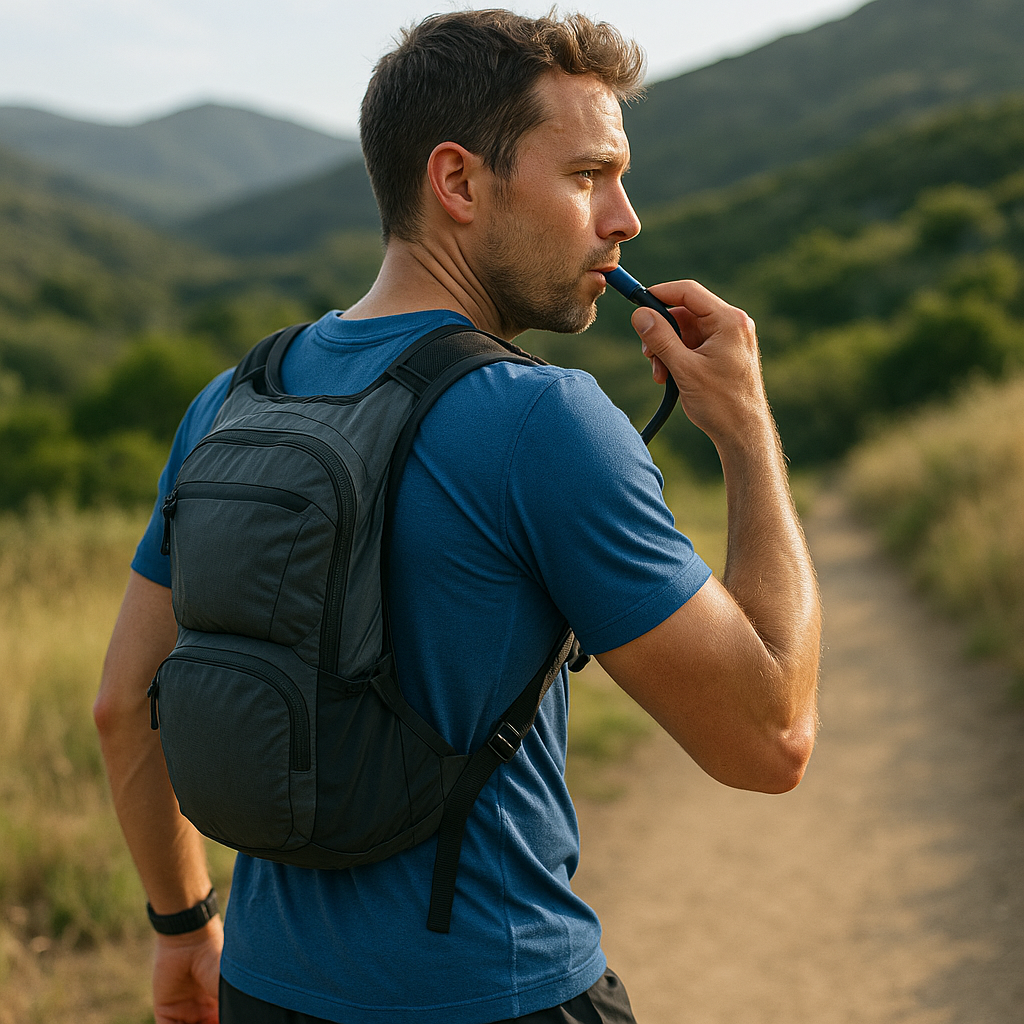
Top 7 Hydration Packs for Long Runs: Stay Fueled, Cool, and Comfortable
Quick Summary
- Hydration packs give hands-free access to fluids, plus storage for fuel, layers, and essentials on long runs.
- Choose by capacity, fit, access (bladder vs. front bottles), weight, and how you carry fuel and layers.
- This guide covers seven strong options (types and representative models), practical prep steps, a packing checklist, common mistakes, and an FAQ.
Introduction
If you run longer than 60–90 minutes regularly, a hydration pack can change the way you train and race. Unlike handheld bottles or small belts, hydration packs carry more fluid, distribute weight across your torso, and provide multiple pockets for gels, a phone, a windbreaker, and safety gear. The result: fewer stops, better pacing, and the confidence to tackle long routes and variable conditions.
How to Choose the Right Hydration Pack
Not every pack suits every run. Here are the core factors to weigh when shopping.
Capacity and fluid delivery
Decide how much water you need between refills. Typical vest-style packs range from 0.5–2 liters (front soft flasks + back bladder). For runs of 1–2 hours many runners use 500–1,000 ml; longer outings require 1–2+ liters. Consider whether you prefer a bladder with a drinking tube or front-mounted soft flasks for quicker sips.
Fit and weight distribution
A pack should hug your torso without bouncing. Look for adjustable straps and a design that keeps load close to your center of gravity. Women-specific cuts are available. Fit is more important than features—an ill-fitting pack ruins a long run.
Access and storage
Think about where you place fuel and essentials. Multiple zippered pockets, quick-access front pockets for gels, and a secure phone pocket are handy. If you run without many stops, a larger main compartment to stash a lightweight jacket is useful.
Materials and durability
Lightweight, breathable fabrics reduce sweat and heat, while reinforced seams and zippers increase longevity. Insulated bladders or sleeves help keep fluids cool on hot days.
Cleaning and maintenance
Removable bladders and wide-mouth openings simplify cleaning and drying—important to avoid mold and smells. Check how the pack and reservoir are cleaned before you buy.
The 7 Best Hydration Packs for Long Runs (Types + Representative Picks)
Below are seven strong options across styles and needs. Model names are representative examples to guide your search—always check the current specs and fit in person if possible.
1. Best All-Round Running Vest (lightweight, balanced storage)
Why it’s good: Balanced front and back storage, snug fit, and space for 1–1.5 L of fluid plus a few gels and a phone. Great for long training runs and fast trail days.
Best for: Runners who want a go-to pack for varied workouts and long runs.
2. Best Minimalist Race Vest (ultralight, low-profile)
Why it’s good: Minimal weight, just enough room for 500–800 ml (often two soft flasks) and a couple of gels. Designed for race day speed with no excess bulk.
Best for: Fast ultra or trail races where every gram matters.
3. Best for Maximum Carry (long-distance ultraruns and proven multi-day comfort)
Why it’s good: Larger main compartment for extra layers and a 1.5–2 L bladder, plus multiple pockets for night gear and more calories. Built to reduce bounce over very long distances.
Best for: Runners tackling long ultras or unsupported routes where resupply points are sparse.
4. Best Front-Flask System (quick sips without rotating your head)
Why it’s good: Two soft front flasks give immediate, natural sipping and faster access to electrolytes. Many front-flask vests also include smaller back pockets for a light shell.
Best for: Road and trail runners who want hydration at the ready without fiddling with a hose.
5. Best Insulated/Hot-Weather Option
Why it’s good: Insulated back pockets or reservoir sleeves keep fluids cooler in hot conditions. Some packs include reflective panels and sun-protection features.
Best for: Summer training, desert runs, or any long outing where cool drinks matter.
6. Best Waist Pack with Bottles (for shorter long runs)
Why it’s good: If you prefer not to wear a vest, a belt with two bottles and a larger central pocket is a comfortable compromise. Less coverage and wind protection, but very low profile and light.
Best for: Runners who like minimal coverage and prefer a waist carry—consider this if you already use a running belt. If you’re comparing options, see this guide to running belts for further context: running belts vs. packs.
7. Best Budget-Friendly Hydration Pack
Why it’s good: Simpler construction and fewer bells and whistles, but still supportive and functional for frequent long runs. A good entry point if you want the benefits of a pack without a large upfront cost.
Best for: New long-distance runners on a budget or anyone wanting to test pack-style carry before upgrading.
Practical Steps to Prepare Your Hydration Pack for a Long Run
- Test the fit: Put the pack on with weight (water + items) and jog 10–20 minutes to check for bounce and chafing—adjust straps accordingly.
- Plan fluid volume: Estimate how long between refills and fill enough fluid, plus a 10–15% buffer for heat or unexpected delays.
- Organize essentials: Store quick-to-reach items (gels, salt tabs) in front pockets; heavier items (extra layer) in the main compartment.
- Secure the mouthpiece: Close valves and clip the drinking tube to avoid snagging. Use a bite-valve cover if available to keep it clean.
- Perform a short test run: Practice drinking from whichever delivery system you’ll use (hose or front flask) while maintaining cadence.
Packing Checklist for a Long Run
- Hydration: bladder partially full + 1 refill plan OR 1–2 front soft flasks
- Nutrition: gels, chews, or bars (pre-stashed in quick pockets)
- Electrolytes or electrolyte tablets
- Phone, ID, cash/credit
- Light wind layer or emergency blanket (depending on distance and weather)
- Small first-aid items: blister tape, bandage
- Headlamp if running near dawn/dusk or on trails
- Whistle or small safety device
For a bigger picture of how a hydration pack fits into your overall running toolkit, see this customizable resource: custom running toolkit.
Common Mistakes When Using Hydration Packs
- Overfilling the bladder: Extra water means extra weight and can change the pack’s fit and bounce.
- Not testing the pack before a big run or race: Uncomfortable straps, chafing, and valve issues should be identified on training runs.
- Ignoring cleaning: Leaving fluid in the bladder and tube leads to mold and unpleasant tastes—that’s avoidable with quick cleaning after each use.
- Relying only on the pack for fluids on long routes: Always have a refill plan for long or remote runs and know where water stops are located.
- Packing heavy, hard-to-reach items in front pockets: This shifts weight forward and can create bounce or rubbing.
Why Hydration Strategy Matters Alongside Training
Hydration is one piece of performance. Combining the right pack with fuel strategy and smart training helps you use it well. Strength training and a structured plan reduce injury risk and improve endurance—if you’re planning longer efforts or racing, consider pairing your pack choice with a strength plan appropriate for running: right strength plan for running or a compact strength routine to stay race-ready: 30-minute strength plan. Moving from base mileage into focused marathon training? Your hydration needs and pack might change—this guide can help: shifting training phases.
Conclusion
A good hydration pack keeps you hydrated, organized, and comfortable on long runs. Start by choosing the carrying style that matches your run length and pace—vests for longer/technical outings, waist packs for lighter runs—and prioritize fit and ease of access. Test everything on training runs, keep your reservoir clean, and pack essentials for safety and fueling. With the right system in place, you’ll spend less time worrying about thirst and more time enjoying your miles.
FAQ
-
Q: How much water should I carry for a 2-hour run?
A: Needs vary by pace, sweat rate, and temperature, but most runners need roughly 750–1,500 ml for a 2-hour run. Start in the middle, monitor thirst and urine color, and adjust. If you sweat heavily or it’s hot, err on the higher side.
-
Q: Bladder or front bottles—what’s the better option?
A: There’s no one-size-fits-all answer. Bladders hold more and are good for long distances; front bottles let you sip quickly and reduce head twisting. Choose based on access preference and how much you need to carry.
-
Q: How do I clean my hydration bladder?
A: Rinse with warm water and a mild soap after each use, and use a reservoir-cleaning brush for the tube and interior. For deeper cleaning, a solution of water and baking soda or mild bleach (followed by thorough rinses) works—always follow the manufacturer’s cleaning recommendations.
-
Q: Will wearing a pack cause chafing?
A: It can if the fit is poor or straps rub. Prevent chafing by adjusting straps for a snug, bounce-free fit, wearing moisture-wicking layers, and testing the pack on shorter runs first.
-
Q: Can I run a marathon or ultra with a hydration pack?
A: Yes—many marathoners and ultrarunners use vests or packs. Match capacity to planned refills, practice fueling while running, and ensure the pack fits comfortably for the full distance. If you’re moving into longer races, integrate pack training with your overall plan and strength work to stay durable and well-fueled.
Part of the Complete Strength Training Guide
Explore more: Complete Strength Training Guide














2 comments